Namespaces | |
| namespace | internal |
Classes | |
| class | _numeric_digits |
| This class is used to instantiate a global singleton object Digits which behaves just like Maple's Digits. More... | |
| class | add |
| Sum of expressions. More... | |
| class | archive |
| This class holds archived versions of GiNaC expressions (class ex). More... | |
| class | archive_node |
| This class stores all properties needed to record/retrieve the state of one object of class basic (or a derived class). More... | |
| class | basic |
| This class is the ABC (abstract base class) of GiNaC's class hierarchy. More... | |
| class | basic_log_kernel |
| The basic integration kernel with a logarithmic singularity at the origin. More... | |
| class | basic_multi_iterator |
| basic_multi_iterator is a base class. More... | |
| class | basic_partition_generator |
| Base class for generating all bounded combinatorial partitions of an integer n with exactly m parts in non-decreasing order. More... | |
| class | class_info |
| class | clifford |
| This class holds an object representing an element of the Clifford algebra (the Dirac gamma matrices). More... | |
| class | cliffordunit |
| This class represents the Clifford algebra generators (units). More... | |
| class | color |
| This class holds a generator T_a or the unity element of the Lie algebra of SU(3), as used for calculations in quantum chromodynamics. More... | |
| class | compare_all_equal |
| Comparison policy: all structures of one type are equal. More... | |
| class | compare_bitwise |
| Comparison policy: use bit-wise comparison to compare structures. More... | |
| class | compare_std_less |
| Comparison policy: use std::equal_to/std::less (defaults to operators == and <) to compare structures. More... | |
| class | composition_generator |
| Generate all compositions of a partition of an integer n, starting with the compositions which has non-decreasing order. More... | |
| class | const_iterator |
| class | const_postorder_iterator |
| class | const_preorder_iterator |
| class | constant |
| This class holds constants, symbols with specific numerical value. More... | |
| class | container |
| Wrapper template for making GiNaC classes out of STL containers. More... | |
| class | container_storage |
| Helper template for encapsulating the reserve() mechanics of STL containers. More... | |
| struct | derivative_map_function |
| Function object to be applied by basic::derivative(). More... | |
| class | determinant_algo |
| Switch to control algorithm for determinant computation. More... | |
| class | diracgamma |
| This class represents the Dirac gamma Lorentz vector. More... | |
| class | diracgamma5 |
| This class represents the Dirac gamma5 object which anticommutates with all other gammas. More... | |
| class | diracgammaL |
| This class represents the Dirac gammaL object which behaves like 1/2 (1-gamma5). More... | |
| class | diracgammaR |
| This class represents the Dirac gammaL object which behaves like 1/2 (1+gamma5). More... | |
| class | diracone |
| This class represents the Clifford algebra unity element. More... | |
| class | do_taylor |
| Exception class thrown by classes which provide their own series expansion to signal that ordinary Taylor expansion is safe. More... | |
| class | domain |
| Domain of an object. More... | |
| class | dunno |
| Exception class thrown by functions to signal unimplemented functionality so the expression may just be .hold() More... | |
| class | Ebar_kernel |
| The Ebar-kernel. More... | |
| class | Eisenstein_h_kernel |
The kernel corresponding to the Eisenstein series 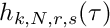 . More... . More... | |
| class | Eisenstein_kernel |
The kernel corresponding to the Eisenstein series 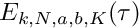 . More... . More... | |
| class | ELi_kernel |
| The ELi-kernel. More... | |
| struct | error_and_integral |
| struct | error_and_integral_is_less |
| struct | eval_integ_map_function |
| Function object to be applied by basic::eval_integ(). More... | |
| struct | evalf_map_function |
| Function object to be applied by basic::evalf(). More... | |
| struct | evalm_map_function |
| Function object to be applied by basic::evalm(). More... | |
| class | ex |
| Lightweight wrapper for GiNaC's symbolic objects. More... | |
| struct | ex_base_is_less |
| struct | ex_is_equal |
| struct | ex_is_less |
| struct | ex_swap |
| class | expair |
| A pair of expressions. More... | |
| struct | expair_is_less |
| Function object for insertion into third argument of STL's sort() etc. More... | |
| struct | expair_rest_is_less |
| Function object not caring about the numerical coefficients for insertion into third argument of STL's sort(). More... | |
| struct | expair_swap |
| class | expairseq |
| A sequence of class expair. More... | |
| struct | expand_map_function |
| Function object to be applied by basic::expand(). More... | |
| class | expand_options |
| Flags to control the behavior of expand(). More... | |
| class | factor_options |
| Flags to control the polynomial factorization. More... | |
| class | fail |
| class | fderivative |
| This class represents the (abstract) derivative of a symbolic function. More... | |
| class | function |
| The class function is used to implement builtin functions like sin, cos... and user defined functions. More... | |
| class | function_options |
| class | G2_SERIAL |
| Generalized multiple polylogarithm. More... | |
| class | G3_SERIAL |
| Generalized multiple polylogarithm with explicit imaginary parts. More... | |
| struct | gcd_options |
| Flags to control the behavior of gcd() and friends. More... | |
| class | gcdheu_failed |
| Exception thrown by heur_gcd() to signal failure. More... | |
| class | has_distance |
| SFINAE test for distance. More... | |
| class | has_options |
| Flags to control the behavior of has(). More... | |
| class | idx |
| This class holds one index of an indexed object. More... | |
| struct | idx_is_equal_ignore_dim |
| class | indexed |
| This class holds an indexed expression. More... | |
| class | info_flags |
| Possible attributes an object can have. More... | |
| class | integral |
| Symbolic integral. More... | |
| class | integration_kernel |
| The base class for integration kernels for iterated integrals. More... | |
| struct | is_not_a_clifford |
| Predicate for finding non-clifford objects. More... | |
| struct | is_summation_idx |
| class | iterated_integral2_SERIAL |
| Complete elliptic integral of the first kind. More... | |
| class | iterated_integral3_SERIAL |
| Iterated integral with explicit truncation. More... | |
| class | Kronecker_dtau_kernel |
The kernel corresponding to integrating the Kronecker coefficient function 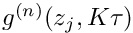 in in  (or equivalently in (or equivalently in  ). More... ). More... | |
| class | Kronecker_dz_kernel |
The kernel corresponding to integrating the Kronecker coefficient function  in in  . More... . More... | |
| class | lanczos_coeffs |
| class | library_init |
| Helper class to initialize the library. More... | |
| class | make_flat_inserter |
| Class to handle the renaming of dummy indices. More... | |
| struct | map_function |
| Function object for map(). More... | |
| class | matrix |
| Symbolic matrices. More... | |
| class | minkmetric |
| This class represents a Minkowski metric tensor. More... | |
| class | modular_form_kernel |
| A kernel corresponding to a polynomial in Eisenstein series. More... | |
| class | mul |
| Product of expressions. More... | |
| class | multi_iterator_counter |
The class multi_iterator_counter defines a multi_iterator 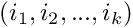 , such that. More... , such that. More... | |
| class | multi_iterator_counter_indv |
| The class multi_iterator_counter_indv defines a multi_iterator , such that. More... | |
| class | multi_iterator_ordered |
| The class multi_iterator_ordered defines a multi_iterator , such that. More... | |
| class | multi_iterator_ordered_eq |
| The class multi_iterator_ordered_eq defines a multi_iterator , such that. More... | |
| class | multi_iterator_ordered_eq_indv |
| The class multi_iterator_ordered_eq_indv defines a multi_iterator , such that. More... | |
| class | multi_iterator_permutation |
| The class multi_iterator_permutation defines a multi_iterator , for which. More... | |
| class | multi_iterator_shuffle |
| The class multi_iterator_shuffle defines a multi_iterator, which runs over all shuffles of a and b. More... | |
| class | multi_iterator_shuffle_prime |
| The class multi_iterator_shuffle_prime defines a multi_iterator, which runs over all shuffles of a and b, excluding the first one (a,b). More... | |
| class | multiple_polylog_kernel |
| The integration kernel for multiple polylogarithms. More... | |
| class | ncmul |
| Non-commutative product of expressions. More... | |
| struct | normal_map_function |
| Function object to be applied by basic::normal(). More... | |
| class | numeric |
| This class is a wrapper around CLN-numbers within the GiNaC class hierarchy. More... | |
| struct | op0_is_equal |
| class | partition_generator |
| Generate all bounded combinatorial partitions of an integer n with exactly m parts (not including zero parts) in non-decreasing order. More... | |
| class | partition_with_zero_parts_generator |
| Generate all bounded combinatorial partitions of an integer n with exactly m parts (including zero parts) in non-decreasing order. More... | |
| class | pointer_to_map_function |
| class | pointer_to_map_function_1arg |
| class | pointer_to_map_function_2args |
| class | pointer_to_map_function_3args |
| class | pointer_to_member_to_map_function |
| class | pointer_to_member_to_map_function_1arg |
| class | pointer_to_member_to_map_function_2args |
| class | pointer_to_member_to_map_function_3args |
| class | pole_error |
| Exception class thrown when a singularity is encountered. More... | |
| class | possymbol |
| Specialization of symbol to real positive domain. More... | |
| class | power |
| This class holds a two-component object, a basis and and exponent representing exponentiation. More... | |
| class | print_context |
| Base class for print_contexts. More... | |
| class | print_context_options |
| This class stores information about a registered print_context class. More... | |
| class | print_csrc |
| Base context for C source output. More... | |
| class | print_csrc_cl_N |
| Context for C source output using CLN numbers. More... | |
| class | print_csrc_double |
| Context for C source output using double precision. More... | |
| class | print_csrc_float |
| Context for C source output using float precision. More... | |
| class | print_dflt |
| Context for default (ginsh-parsable) output. More... | |
| class | print_functor |
| This class represents a print method for a certain algebraic class and print_context type. More... | |
| class | print_functor_impl |
| Base class for print_functor handlers. More... | |
| class | print_latex |
| Context for latex-parsable output. More... | |
| class | print_memfun_handler |
| print_functor handler for member functions of class T, context type C More... | |
| class | print_options |
| Flags to control the behavior of a print_context. More... | |
| class | print_ptrfun_handler |
| print_functor handler for pointer-to-functions of class T, context type C More... | |
| class | print_python |
| Context for python pretty-print output. More... | |
| class | print_python_repr |
| Context for python-parsable output. More... | |
| class | print_tree |
| Context for tree-like output for debugging. More... | |
| class | pseries |
| This class holds a extended truncated power series (positive and negative integer powers). More... | |
| class | psi1_SERIAL |
| Polylogarithm and multiple polylogarithm. More... | |
| class | psi2_SERIAL |
| Derivatives of Psi-function (aka polygamma-functions). More... | |
| class | ptr |
| Class of (intrusively) reference-counted pointers that support copy-on-write semantics. More... | |
| class | realsymbol |
| Specialization of symbol to real domain. More... | |
| class | refcounted |
| Base class for reference-counted objects. More... | |
| class | registered_class_options |
| This class stores information about a registered GiNaC class. More... | |
| class | relational |
| This class holds a relation consisting of two expressions and a logical relation between them. More... | |
| class | remember_strategies |
| Strategies how to clean up the function remember cache. More... | |
| class | remember_table |
| The remember table is organized like an n-fold associative cache in a microprocessor. More... | |
| class | remember_table_entry |
| A single entry in the remember table of a function. More... | |
| class | remember_table_list |
| A list of entries in the remember table having some least significant bits of the hashvalue in common. More... | |
| struct | return_type_t |
| To distinguish between different kinds of non-commutative objects. More... | |
| class | return_types |
| class | scalar_products |
| Helper class for storing information about known scalar products which are to be automatically replaced by simplify_indexed(). More... | |
| class | series_options |
| Flags to control series expansion. More... | |
| class | solve_algo |
| Switch to control algorithm for linear system solving. More... | |
| class | spinidx |
| This class holds a spinor index that can be dotted or undotted and that also has a variance. More... | |
| class | spinmetric |
| This class represents an antisymmetric spinor metric tensor which can be used to raise/lower indices of 2-component Weyl spinors. More... | |
| class | spmapkey |
| class | status_flags |
| Flags to store information about the state of an object. More... | |
| class | structure |
| Wrapper template for making GiNaC classes out of C++ structures. More... | |
| class | su3d |
| This class represents the tensor of symmetric su(3) structure constants. More... | |
| class | su3f |
| This class represents the tensor of antisymmetric su(3) structure constants. More... | |
| class | su3one |
| This class represents the su(3) unity element. More... | |
| class | su3t |
| This class represents an su(3) generator. More... | |
| class | subs_options |
| Flags to control the behavior of subs(). More... | |
| class | sy_is_less |
| class | sy_swap |
| struct | sym_desc |
| This structure holds information about the highest and lowest degrees in which a symbol appears in two multivariate polynomials "a" and "b". More... | |
| class | symbol |
| Basic CAS symbol. More... | |
| class | symbolset |
| class | symmetry |
| This class describes the symmetry of a group of indices. More... | |
| class | symminfo |
| This structure stores the individual symmetrized terms obtained during the simplification of sums. More... | |
| class | symminfo_is_less_by_orig |
| class | symminfo_is_less_by_symmterm |
| class | tensdelta |
| This class represents the delta tensor. More... | |
| class | tensepsilon |
| This class represents the totally antisymmetric epsilon tensor. More... | |
| class | tensmetric |
| This class represents a general metric tensor which can be used to raise/lower indices. More... | |
| class | tensor |
| This class holds one of GiNaC's predefined special tensors such as the delta and the metric tensors. More... | |
| class | terminfo |
| This structure stores the original and symmetrized versions of terms obtained during the simplification of sums. More... | |
| class | terminfo_is_less |
| class | unarchive_table_t |
| class | user_defined_kernel |
| A user-defined integration kernel. More... | |
| class | varidx |
| This class holds an index with a variance (co- or contravariant). More... | |
| class | visitor |
| Degenerate base class for visitors. More... | |
| class | wildcard |
| This class acts as a wildcard for subs(), match(), has() and find(). More... | |
| class | zeta1_SERIAL |
| Complex conjugate. More... | |
| class | zeta2_SERIAL |
| Alternating Euler sum or colored MZV. More... | |
Typedefs | |
| typedef unsigned | archive_node_id |
| Numerical ID value to refer to an archive_node. More... | |
| typedef unsigned | archive_atom |
| Numerical ID value to refer to a string. More... | |
| typedef basic *(* | synthesize_func) () |
| typedef std::map< std::string, synthesize_func > | unarchive_map_t |
| typedef std::vector< ex > | exvector |
| typedef std::set< ex, ex_is_less > | exset |
| typedef std::map< ex, ex, ex_is_less > | exmap |
| typedef ex(* | evalffunctype) () |
| typedef double(* | FUNCP_1P) (double) |
| Function pointer with one function parameter. More... | |
| typedef double(* | FUNCP_2P) (double, double) |
| Function pointer with two function parameters. More... | |
| typedef void(* | FUNCP_CUBA) (const int *, const double[], const int *, double[]) |
| Function pointer for use with the CUBA library (http://www.feynarts.de/cuba). More... | |
| typedef std::vector< expair > | epvector |
| expair-vector More... | |
| typedef epvector::iterator | epp |
| expair-vector pointer More... | |
| typedef container< std::vector > | exprseq |
| typedef std::multiset< unsigned > | paramset |
| typedef ex(* | eval_funcp) () |
| typedef ex(* | evalf_funcp) () |
| typedef ex(* | conjugate_funcp) () |
| typedef ex(* | real_part_funcp) () |
| typedef ex(* | imag_part_funcp) () |
| typedef ex(* | expand_funcp) () |
| typedef ex(* | derivative_funcp) () |
| typedef ex(* | expl_derivative_funcp) () |
| typedef ex(* | power_funcp) () |
| typedef ex(* | series_funcp) () |
| typedef void(* | print_funcp) () |
| typedef bool(* | info_funcp) () |
| typedef ex(* | eval_funcp_1) (const ex &) |
| typedef ex(* | evalf_funcp_1) (const ex &) |
| typedef ex(* | conjugate_funcp_1) (const ex &) |
| typedef ex(* | real_part_funcp_1) (const ex &) |
| typedef ex(* | imag_part_funcp_1) (const ex &) |
| typedef ex(* | expand_funcp_1) (const ex &, unsigned) |
| typedef ex(* | derivative_funcp_1) (const ex &, unsigned) |
| typedef ex(* | expl_derivative_funcp_1) (const ex &, const symbol &) |
| typedef ex(* | power_funcp_1) (const ex &, const ex &) |
| typedef ex(* | series_funcp_1) (const ex &, const relational &, int, unsigned) |
| typedef void(* | print_funcp_1) (const ex &, const print_context &) |
| typedef bool(* | info_funcp_1) (const ex &, unsigned) |
| typedef ex(* | eval_funcp_2) (const ex &, const ex &) |
| typedef ex(* | evalf_funcp_2) (const ex &, const ex &) |
| typedef ex(* | conjugate_funcp_2) (const ex &, const ex &) |
| typedef ex(* | real_part_funcp_2) (const ex &, const ex &) |
| typedef ex(* | imag_part_funcp_2) (const ex &, const ex &) |
| typedef ex(* | expand_funcp_2) (const ex &, const ex &, unsigned) |
| typedef ex(* | derivative_funcp_2) (const ex &, const ex &, unsigned) |
| typedef ex(* | expl_derivative_funcp_2) (const ex &, const ex &, const symbol &) |
| typedef ex(* | power_funcp_2) (const ex &, const ex &, const ex &) |
| typedef ex(* | series_funcp_2) (const ex &, const ex &, const relational &, int, unsigned) |
| typedef void(* | print_funcp_2) (const ex &, const ex &, const print_context &) |
| typedef bool(* | info_funcp_2) (const ex &, const ex &, unsigned) |
| typedef ex(* | eval_funcp_3) (const ex &, const ex &, const ex &) |
| typedef ex(* | evalf_funcp_3) (const ex &, const ex &, const ex &) |
| typedef ex(* | conjugate_funcp_3) (const ex &, const ex &, const ex &) |
| typedef ex(* | real_part_funcp_3) (const ex &, const ex &, const ex &) |
| typedef ex(* | imag_part_funcp_3) (const ex &, const ex &, const ex &) |
| typedef ex(* | expand_funcp_3) (const ex &, const ex &, const ex &, unsigned) |
| typedef ex(* | derivative_funcp_3) (const ex &, const ex &, const ex &, unsigned) |
| typedef ex(* | expl_derivative_funcp_3) (const ex &, const ex &, const ex &, const symbol &) |
| typedef ex(* | power_funcp_3) (const ex &, const ex &, const ex &, const ex &) |
| typedef ex(* | series_funcp_3) (const ex &, const ex &, const ex &, const relational &, int, unsigned) |
| typedef void(* | print_funcp_3) (const ex &, const ex &, const ex &, const print_context &) |
| typedef bool(* | info_funcp_3) (const ex &, const ex &, const ex &, unsigned) |
| typedef ex(* | eval_funcp_4) (const ex &, const ex &, const ex &, const ex &) |
| typedef ex(* | evalf_funcp_4) (const ex &, const ex &, const ex &, const ex &) |
| typedef ex(* | conjugate_funcp_4) (const ex &, const ex &, const ex &, const ex &) |
| typedef ex(* | real_part_funcp_4) (const ex &, const ex &, const ex &, const ex &) |
| typedef ex(* | imag_part_funcp_4) (const ex &, const ex &, const ex &, const ex &) |
| typedef ex(* | expand_funcp_4) (const ex &, const ex &, const ex &, const ex &, unsigned) |
| typedef ex(* | derivative_funcp_4) (const ex &, const ex &, const ex &, const ex &, unsigned) |
| typedef ex(* | expl_derivative_funcp_4) (const ex &, const ex &, const ex &, const ex &, const symbol &) |
| typedef ex(* | power_funcp_4) (const ex &, const ex &, const ex &, const ex &, const ex &) |
| typedef ex(* | series_funcp_4) (const ex &, const ex &, const ex &, const ex &, const relational &, int, unsigned) |
| typedef void(* | print_funcp_4) (const ex &, const ex &, const ex &, const ex &, const print_context &) |
| typedef bool(* | info_funcp_4) (const ex &, const ex &, const ex &, const ex &, unsigned) |
| typedef ex(* | eval_funcp_5) (const ex &, const ex &, const ex &, const ex &, const ex &) |
| typedef ex(* | evalf_funcp_5) (const ex &, const ex &, const ex &, const ex &, const ex &) |
| typedef ex(* | conjugate_funcp_5) (const ex &, const ex &, const ex &, const ex &, const ex &) |
| typedef ex(* | real_part_funcp_5) (const ex &, const ex &, const ex &, const ex &, const ex &) |
| typedef ex(* | imag_part_funcp_5) (const ex &, const ex &, const ex &, const ex &, const ex &) |
| typedef ex(* | expand_funcp_5) (const ex &, const ex &, const ex &, const ex &, const ex &, unsigned) |
| typedef ex(* | derivative_funcp_5) (const ex &, const ex &, const ex &, const ex &, const ex &, unsigned) |
| typedef ex(* | expl_derivative_funcp_5) (const ex &, const ex &, const ex &, const ex &, const ex &, const symbol &) |
| typedef ex(* | power_funcp_5) (const ex &, const ex &, const ex &, const ex &, const ex &, const ex &) |
| typedef ex(* | series_funcp_5) (const ex &, const ex &, const ex &, const ex &, const ex &, const relational &, int, unsigned) |
| typedef void(* | print_funcp_5) (const ex &, const ex &, const ex &, const ex &, const ex &, const print_context &) |
| typedef bool(* | info_funcp_5) (const ex &, const ex &, const ex &, const ex &, const ex &, unsigned) |
| typedef ex(* | eval_funcp_6) (const ex &, const ex &, const ex &, const ex &, const ex &, const ex &) |
| typedef ex(* | evalf_funcp_6) (const ex &, const ex &, const ex &, const ex &, const ex &, const ex &) |
| typedef ex(* | conjugate_funcp_6) (const ex &, const ex &, const ex &, const ex &, const ex &, const ex &) |
| typedef ex(* | real_part_funcp_6) (const ex &, const ex &, const ex &, const ex &, const ex &, const ex &) |
| typedef ex(* | imag_part_funcp_6) (const ex &, const ex &, const ex &, const ex &, const ex &, const ex &) |
| typedef ex(* | expand_funcp_6) (const ex &, const ex &, const ex &, const ex &, const ex &, const ex &, unsigned) |
| typedef ex(* | derivative_funcp_6) (const ex &, const ex &, const ex &, const ex &, const ex &, const ex &, unsigned) |
| typedef ex(* | expl_derivative_funcp_6) (const ex &, const ex &, const ex &, const ex &, const ex &, const ex &, const symbol &) |
| typedef ex(* | power_funcp_6) (const ex &, const ex &, const ex &, const ex &, const ex &, const ex &, const ex &) |
| typedef ex(* | series_funcp_6) (const ex &, const ex &, const ex &, const ex &, const ex &, const ex &, const relational &, int, unsigned) |
| typedef void(* | print_funcp_6) (const ex &, const ex &, const ex &, const ex &, const ex &, const ex &, const print_context &) |
| typedef bool(* | info_funcp_6) (const ex &, const ex &, const ex &, const ex &, const ex &, const ex &, unsigned) |
| typedef ex(* | eval_funcp_7) (const ex &, const ex &, const ex &, const ex &, const ex &, const ex &, const ex &) |
| typedef ex(* | evalf_funcp_7) (const ex &, const ex &, const ex &, const ex &, const ex &, const ex &, const ex &) |
| typedef ex(* | conjugate_funcp_7) (const ex &, const ex &, const ex &, const ex &, const ex &, const ex &, const ex &) |
| typedef ex(* | real_part_funcp_7) (const ex &, const ex &, const ex &, const ex &, const ex &, const ex &, const ex &) |
| typedef ex(* | imag_part_funcp_7) (const ex &, const ex &, const ex &, const ex &, const ex &, const ex &, const ex &) |
| typedef ex(* | expand_funcp_7) (const ex &, const ex &, const ex &, const ex &, const ex &, const ex &, const ex &, unsigned) |
| typedef ex(* | derivative_funcp_7) (const ex &, const ex &, const ex &, const ex &, const ex &, const ex &, const ex &, unsigned) |
| typedef ex(* | expl_derivative_funcp_7) (const ex &, const ex &, const ex &, const ex &, const ex &, const ex &, const ex &, const symbol &) |
| typedef ex(* | power_funcp_7) (const ex &, const ex &, const ex &, const ex &, const ex &, const ex &, const ex &, const ex &) |
| typedef ex(* | series_funcp_7) (const ex &, const ex &, const ex &, const ex &, const ex &, const ex &, const ex &, const relational &, int, unsigned) |
| typedef void(* | print_funcp_7) (const ex &, const ex &, const ex &, const ex &, const ex &, const ex &, const ex &, const print_context &) |
| typedef bool(* | info_funcp_7) (const ex &, const ex &, const ex &, const ex &, const ex &, const ex &, const ex &, unsigned) |
| typedef ex(* | eval_funcp_8) (const ex &, const ex &, const ex &, const ex &, const ex &, const ex &, const ex &, const ex &) |
| typedef ex(* | evalf_funcp_8) (const ex &, const ex &, const ex &, const ex &, const ex &, const ex &, const ex &, const ex &) |
| typedef ex(* | conjugate_funcp_8) (const ex &, const ex &, const ex &, const ex &, const ex &, const ex &, const ex &, const ex &) |
| typedef ex(* | real_part_funcp_8) (const ex &, const ex &, const ex &, const ex &, const ex &, const ex &, const ex &, const ex &) |
| typedef ex(* | imag_part_funcp_8) (const ex &, const ex &, const ex &, const ex &, const ex &, const ex &, const ex &, const ex &) |
| typedef ex(* | expand_funcp_8) (const ex &, const ex &, const ex &, const ex &, const ex &, const ex &, const ex &, const ex &, unsigned) |
| typedef ex(* | derivative_funcp_8) (const ex &, const ex &, const ex &, const ex &, const ex &, const ex &, const ex &, const ex &, unsigned) |
| typedef ex(* | expl_derivative_funcp_8) (const ex &, const ex &, const ex &, const ex &, const ex &, const ex &, const ex &, const ex &, const symbol &) |
| typedef ex(* | power_funcp_8) (const ex &, const ex &, const ex &, const ex &, const ex &, const ex &, const ex &, const ex &, const ex &) |
| typedef ex(* | series_funcp_8) (const ex &, const ex &, const ex &, const ex &, const ex &, const ex &, const ex &, const ex &, const relational &, int, unsigned) |
| typedef void(* | print_funcp_8) (const ex &, const ex &, const ex &, const ex &, const ex &, const ex &, const ex &, const ex &, const print_context &) |
| typedef bool(* | info_funcp_8) (const ex &, const ex &, const ex &, const ex &, const ex &, const ex &, const ex &, const ex &, unsigned) |
| typedef ex(* | eval_funcp_9) (const ex &, const ex &, const ex &, const ex &, const ex &, const ex &, const ex &, const ex &, const ex &) |
| typedef ex(* | evalf_funcp_9) (const ex &, const ex &, const ex &, const ex &, const ex &, const ex &, const ex &, const ex &, const ex &) |
| typedef ex(* | conjugate_funcp_9) (const ex &, const ex &, const ex &, const ex &, const ex &, const ex &, const ex &, const ex &, const ex &) |
| typedef ex(* | real_part_funcp_9) (const ex &, const ex &, const ex &, const ex &, const ex &, const ex &, const ex &, const ex &, const ex &) |
| typedef ex(* | imag_part_funcp_9) (const ex &, const ex &, const ex &, const ex &, const ex &, const ex &, const ex &, const ex &, const ex &) |
| typedef ex(* | expand_funcp_9) (const ex &, const ex &, const ex &, const ex &, const ex &, const ex &, const ex &, const ex &, const ex &, unsigned) |
| typedef ex(* | derivative_funcp_9) (const ex &, const ex &, const ex &, const ex &, const ex &, const ex &, const ex &, const ex &, const ex &, unsigned) |
| typedef ex(* | expl_derivative_funcp_9) (const ex &, const ex &, const ex &, const ex &, const ex &, const ex &, const ex &, const ex &, const ex &, const symbol &) |
| typedef ex(* | power_funcp_9) (const ex &, const ex &, const ex &, const ex &, const ex &, const ex &, const ex &, const ex &, const ex &, const ex &) |
| typedef ex(* | series_funcp_9) (const ex &, const ex &, const ex &, const ex &, const ex &, const ex &, const ex &, const ex &, const ex &, const relational &, int, unsigned) |
| typedef void(* | print_funcp_9) (const ex &, const ex &, const ex &, const ex &, const ex &, const ex &, const ex &, const ex &, const ex &, const print_context &) |
| typedef bool(* | info_funcp_9) (const ex &, const ex &, const ex &, const ex &, const ex &, const ex &, const ex &, const ex &, const ex &, unsigned) |
| typedef ex(* | eval_funcp_10) (const ex &, const ex &, const ex &, const ex &, const ex &, const ex &, const ex &, const ex &, const ex &, const ex &) |
| typedef ex(* | evalf_funcp_10) (const ex &, const ex &, const ex &, const ex &, const ex &, const ex &, const ex &, const ex &, const ex &, const ex &) |
| typedef ex(* | conjugate_funcp_10) (const ex &, const ex &, const ex &, const ex &, const ex &, const ex &, const ex &, const ex &, const ex &, const ex &) |
| typedef ex(* | real_part_funcp_10) (const ex &, const ex &, const ex &, const ex &, const ex &, const ex &, const ex &, const ex &, const ex &, const ex &) |
| typedef ex(* | imag_part_funcp_10) (const ex &, const ex &, const ex &, const ex &, const ex &, const ex &, const ex &, const ex &, const ex &, const ex &) |
| typedef ex(* | expand_funcp_10) (const ex &, const ex &, const ex &, const ex &, const ex &, const ex &, const ex &, const ex &, const ex &, const ex &, unsigned) |
| typedef ex(* | derivative_funcp_10) (const ex &, const ex &, const ex &, const ex &, const ex &, const ex &, const ex &, const ex &, const ex &, const ex &, unsigned) |
| typedef ex(* | expl_derivative_funcp_10) (const ex &, const ex &, const ex &, const ex &, const ex &, const ex &, const ex &, const ex &, const ex &, const ex &, const symbol &) |
| typedef ex(* | power_funcp_10) (const ex &, const ex &, const ex &, const ex &, const ex &, const ex &, const ex &, const ex &, const ex &, const ex &, const ex &) |
| typedef ex(* | series_funcp_10) (const ex &, const ex &, const ex &, const ex &, const ex &, const ex &, const ex &, const ex &, const ex &, const ex &, const relational &, int, unsigned) |
| typedef void(* | print_funcp_10) (const ex &, const ex &, const ex &, const ex &, const ex &, const ex &, const ex &, const ex &, const ex &, const ex &, const print_context &) |
| typedef bool(* | info_funcp_10) (const ex &, const ex &, const ex &, const ex &, const ex &, const ex &, const ex &, const ex &, const ex &, const ex &, unsigned) |
| typedef ex(* | eval_funcp_11) (const ex &, const ex &, const ex &, const ex &, const ex &, const ex &, const ex &, const ex &, const ex &, const ex &, const ex &) |
| typedef ex(* | evalf_funcp_11) (const ex &, const ex &, const ex &, const ex &, const ex &, const ex &, const ex &, const ex &, const ex &, const ex &, const ex &) |
| typedef ex(* | conjugate_funcp_11) (const ex &, const ex &, const ex &, const ex &, const ex &, const ex &, const ex &, const ex &, const ex &, const ex &, const ex &) |
| typedef ex(* | real_part_funcp_11) (const ex &, const ex &, const ex &, const ex &, const ex &, const ex &, const ex &, const ex &, const ex &, const ex &, const ex &) |
| typedef ex(* | imag_part_funcp_11) (const ex &, const ex &, const ex &, const ex &, const ex &, const ex &, const ex &, const ex &, const ex &, const ex &, const ex &) |
| typedef ex(* | expand_funcp_11) (const ex &, const ex &, const ex &, const ex &, const ex &, const ex &, const ex &, const ex &, const ex &, const ex &, const ex &, unsigned) |
| typedef ex(* | derivative_funcp_11) (const ex &, const ex &, const ex &, const ex &, const ex &, const ex &, const ex &, const ex &, const ex &, const ex &, const ex &, unsigned) |
| typedef ex(* | expl_derivative_funcp_11) (const ex &, const ex &, const ex &, const ex &, const ex &, const ex &, const ex &, const ex &, const ex &, const ex &, const ex &, const symbol &) |
| typedef ex(* | power_funcp_11) (const ex &, const ex &, const ex &, const ex &, const ex &, const ex &, const ex &, const ex &, const ex &, const ex &, const ex &, const ex &) |
| typedef ex(* | series_funcp_11) (const ex &, const ex &, const ex &, const ex &, const ex &, const ex &, const ex &, const ex &, const ex &, const ex &, const ex &, const relational &, int, unsigned) |
| typedef void(* | print_funcp_11) (const ex &, const ex &, const ex &, const ex &, const ex &, const ex &, const ex &, const ex &, const ex &, const ex &, const ex &, const print_context &) |
| typedef bool(* | info_funcp_11) (const ex &, const ex &, const ex &, const ex &, const ex &, const ex &, const ex &, const ex &, const ex &, const ex &, const ex &, unsigned) |
| typedef ex(* | eval_funcp_12) (const ex &, const ex &, const ex &, const ex &, const ex &, const ex &, const ex &, const ex &, const ex &, const ex &, const ex &, const ex &) |
| typedef ex(* | evalf_funcp_12) (const ex &, const ex &, const ex &, const ex &, const ex &, const ex &, const ex &, const ex &, const ex &, const ex &, const ex &, const ex &) |
| typedef ex(* | conjugate_funcp_12) (const ex &, const ex &, const ex &, const ex &, const ex &, const ex &, const ex &, const ex &, const ex &, const ex &, const ex &, const ex &) |
| typedef ex(* | real_part_funcp_12) (const ex &, const ex &, const ex &, const ex &, const ex &, const ex &, const ex &, const ex &, const ex &, const ex &, const ex &, const ex &) |
| typedef ex(* | imag_part_funcp_12) (const ex &, const ex &, const ex &, const ex &, const ex &, const ex &, const ex &, const ex &, const ex &, const ex &, const ex &, const ex &) |
| typedef ex(* | expand_funcp_12) (const ex &, const ex &, const ex &, const ex &, const ex &, const ex &, const ex &, const ex &, const ex &, const ex &, const ex &, const ex &, unsigned) |
| typedef ex(* | derivative_funcp_12) (const ex &, const ex &, const ex &, const ex &, const ex &, const ex &, const ex &, const ex &, const ex &, const ex &, const ex &, const ex &, unsigned) |
| typedef ex(* | expl_derivative_funcp_12) (const ex &, const ex &, const ex &, const ex &, const ex &, const ex &, const ex &, const ex &, const ex &, const ex &, const ex &, const ex &, const symbol &) |
| typedef ex(* | power_funcp_12) (const ex &, const ex &, const ex &, const ex &, const ex &, const ex &, const ex &, const ex &, const ex &, const ex &, const ex &, const ex &, const ex &) |
| typedef ex(* | series_funcp_12) (const ex &, const ex &, const ex &, const ex &, const ex &, const ex &, const ex &, const ex &, const ex &, const ex &, const ex &, const ex &, const relational &, int, unsigned) |
| typedef void(* | print_funcp_12) (const ex &, const ex &, const ex &, const ex &, const ex &, const ex &, const ex &, const ex &, const ex &, const ex &, const ex &, const ex &, const print_context &) |
| typedef bool(* | info_funcp_12) (const ex &, const ex &, const ex &, const ex &, const ex &, const ex &, const ex &, const ex &, const ex &, const ex &, const ex &, const ex &, unsigned) |
| typedef ex(* | eval_funcp_13) (const ex &, const ex &, const ex &, const ex &, const ex &, const ex &, const ex &, const ex &, const ex &, const ex &, const ex &, const ex &, const ex &) |
| typedef ex(* | evalf_funcp_13) (const ex &, const ex &, const ex &, const ex &, const ex &, const ex &, const ex &, const ex &, const ex &, const ex &, const ex &, const ex &, const ex &) |
| typedef ex(* | conjugate_funcp_13) (const ex &, const ex &, const ex &, const ex &, const ex &, const ex &, const ex &, const ex &, const ex &, const ex &, const ex &, const ex &, const ex &) |
| typedef ex(* | real_part_funcp_13) (const ex &, const ex &, const ex &, const ex &, const ex &, const ex &, const ex &, const ex &, const ex &, const ex &, const ex &, const ex &, const ex &) |
| typedef ex(* | imag_part_funcp_13) (const ex &, const ex &, const ex &, const ex &, const ex &, const ex &, const ex &, const ex &, const ex &, const ex &, const ex &, const ex &, const ex &) |
| typedef ex(* | expand_funcp_13) (const ex &, const ex &, const ex &, const ex &, const ex &, const ex &, const ex &, const ex &, const ex &, const ex &, const ex &, const ex &, const ex &, unsigned) |
| typedef ex(* | derivative_funcp_13) (const ex &, const ex &, const ex &, const ex &, const ex &, const ex &, const ex &, const ex &, const ex &, const ex &, const ex &, const ex &, const ex &, unsigned) |
| typedef ex(* | expl_derivative_funcp_13) (const ex &, const ex &, const ex &, const ex &, const ex &, const ex &, const ex &, const ex &, const ex &, const ex &, const ex &, const ex &, const ex &, const symbol &) |
| typedef ex(* | power_funcp_13) (const ex &, const ex &, const ex &, const ex &, const ex &, const ex &, const ex &, const ex &, const ex &, const ex &, const ex &, const ex &, const ex &, const ex &) |
| typedef ex(* | series_funcp_13) (const ex &, const ex &, const ex &, const ex &, const ex &, const ex &, const ex &, const ex &, const ex &, const ex &, const ex &, const ex &, const ex &, const relational &, int, unsigned) |
| typedef void(* | print_funcp_13) (const ex &, const ex &, const ex &, const ex &, const ex &, const ex &, const ex &, const ex &, const ex &, const ex &, const ex &, const ex &, const ex &, const print_context &) |
| typedef bool(* | info_funcp_13) (const ex &, const ex &, const ex &, const ex &, const ex &, const ex &, const ex &, const ex &, const ex &, const ex &, const ex &, const ex &, const ex &, unsigned) |
| typedef ex(* | eval_funcp_14) (const ex &, const ex &, const ex &, const ex &, const ex &, const ex &, const ex &, const ex &, const ex &, const ex &, const ex &, const ex &, const ex &, const ex &) |
| typedef ex(* | evalf_funcp_14) (const ex &, const ex &, const ex &, const ex &, const ex &, const ex &, const ex &, const ex &, const ex &, const ex &, const ex &, const ex &, const ex &, const ex &) |
| typedef ex(* | conjugate_funcp_14) (const ex &, const ex &, const ex &, const ex &, const ex &, const ex &, const ex &, const ex &, const ex &, const ex &, const ex &, const ex &, const ex &, const ex &) |
| typedef ex(* | real_part_funcp_14) (const ex &, const ex &, const ex &, const ex &, const ex &, const ex &, const ex &, const ex &, const ex &, const ex &, const ex &, const ex &, const ex &, const ex &) |
| typedef ex(* | imag_part_funcp_14) (const ex &, const ex &, const ex &, const ex &, const ex &, const ex &, const ex &, const ex &, const ex &, const ex &, const ex &, const ex &, const ex &, const ex &) |
| typedef ex(* | expand_funcp_14) (const ex &, const ex &, const ex &, const ex &, const ex &, const ex &, const ex &, const ex &, const ex &, const ex &, const ex &, const ex &, const ex &, const ex &, unsigned) |
| typedef ex(* | derivative_funcp_14) (const ex &, const ex &, const ex &, const ex &, const ex &, const ex &, const ex &, const ex &, const ex &, const ex &, const ex &, const ex &, const ex &, const ex &, unsigned) |
| typedef ex(* | expl_derivative_funcp_14) (const ex &, const ex &, const ex &, const ex &, const ex &, const ex &, const ex &, const ex &, const ex &, const ex &, const ex &, const ex &, const ex &, const ex &, const symbol &) |
| typedef ex(* | power_funcp_14) (const ex &, const ex &, const ex &, const ex &, const ex &, const ex &, const ex &, const ex &, const ex &, const ex &, const ex &, const ex &, const ex &, const ex &, const ex &) |
| typedef ex(* | series_funcp_14) (const ex &, const ex &, const ex &, const ex &, const ex &, const ex &, const ex &, const ex &, const ex &, const ex &, const ex &, const ex &, const ex &, const ex &, const relational &, int, unsigned) |
| typedef void(* | print_funcp_14) (const ex &, const ex &, const ex &, const ex &, const ex &, const ex &, const ex &, const ex &, const ex &, const ex &, const ex &, const ex &, const ex &, const ex &, const print_context &) |
| typedef bool(* | info_funcp_14) (const ex &, const ex &, const ex &, const ex &, const ex &, const ex &, const ex &, const ex &, const ex &, const ex &, const ex &, const ex &, const ex &, const ex &, unsigned) |
| typedef ex(* | eval_funcp_exvector) (const exvector &) |
| typedef ex(* | evalf_funcp_exvector) (const exvector &) |
| typedef ex(* | conjugate_funcp_exvector) (const exvector &) |
| typedef ex(* | real_part_funcp_exvector) (const exvector &) |
| typedef ex(* | imag_part_funcp_exvector) (const exvector &) |
| typedef ex(* | expand_funcp_exvector) (const exvector &, unsigned) |
| typedef ex(* | derivative_funcp_exvector) (const exvector &, unsigned) |
| typedef ex(* | expl_derivative_funcp_exvector) (const exvector &, const symbol &) |
| typedef ex(* | power_funcp_exvector) (const exvector &, const ex &) |
| typedef ex(* | series_funcp_exvector) (const exvector &, const relational &, int, unsigned) |
| typedef void(* | print_funcp_exvector) (const exvector &, const print_context &) |
| typedef bool(* | info_funcp_exvector) (const exvector &, unsigned) |
| template<typename T , class Hash = std::hash<ex>, class KeyEqual = std::equal_to<ex>, class Allocator = std::allocator<std::pair<const ex, T>>> | |
| using | exhashmap = std::unordered_map< ex, T, Hash, KeyEqual, Allocator > |
| typedef std::map< spmapkey, ex > | spmap |
| typedef map< error_and_integral, ex, error_and_integral_is_less > | lookup_map |
| typedef container< std::list > | lst |
| typedef std::vector< std::size_t > | uintvector |
| typedef std::vector< unsigned > | unsignedvector |
| typedef std::vector< exvector > | exvectorvector |
| typedef std::vector< sym_desc > | sym_desc_vec |
| typedef void(* | digits_changed_callback) (long) |
| Function pointer to implement callbacks in the case 'Digits' gets changed. More... | |
| typedef class_info< print_context_options > | print_context_class_info |
| typedef class_info< registered_class_options > | registered_class_info |
Enumerations | |
| enum | { callback_registered = 1 } |
Functions | |
| GINAC_IMPLEMENT_REGISTERED_CLASS_OPT (add, expairseq, print_func< print_context >(&add::do_print). print_func< print_latex >(&add::do_print_latex). print_func< print_csrc >(&add::do_print_csrc). print_func< print_tree >(&add::do_print_tree). print_func< print_python_repr >(&add::do_print_python_repr)) add | |
| GINAC_BIND_UNARCHIVER (add) | |
| GINAC_DECLARE_UNARCHIVER (add) | |
| static void | write_unsigned (std::ostream &os, unsigned val) |
| Write unsigned integer quantity to stream. More... | |
| static unsigned | read_unsigned (std::istream &is) |
| Read unsigned integer quantity from stream. More... | |
| std::ostream & | operator<< (std::ostream &os, const archive_node &n) |
| Write archive_node to binary data stream. More... | |
| std::ostream & | operator<< (std::ostream &os, const archive &ar) |
| Write archive to binary data stream. More... | |
| std::istream & | operator>> (std::istream &is, archive_node &n) |
| Read archive_node from binary data stream. More... | |
| std::istream & | operator>> (std::istream &is, archive &ar) |
| Read archive from binary data stream. More... | |
| static synthesize_func | find_factory_fcn (const std::string &name) |
| GINAC_IMPLEMENT_REGISTERED_CLASS_OPT (basic, void, print_func< print_context >(&basic::do_print). print_func< print_tree >(&basic::do_print_tree). print_func< print_python_repr >(&basic::do_print_python_repr)) basic | |
| basic copy constructor: implicitly assumes that the other class is of the exact same type (as it's used by duplicate()), so it can copy the tinfo_key and the hash value. More... | |
| template<class T > | |
| bool | is_a (const basic &obj) |
| Check if obj is a T, including base classes. More... | |
| template<class T > | |
| bool | is_exactly_a (const basic &obj) |
| Check if obj is a T, not including base classes. More... | |
| template<class B , typename... Args> | |
| B & | dynallocate (Args &&... args) |
| Constructs a new (class basic or derived) B object on the heap. More... | |
| template<class B > | |
| B & | dynallocate (std::initializer_list< ex > il) |
| Constructs a new (class basic or derived) B object on the heap. More... | |
| GINAC_IMPLEMENT_REGISTERED_CLASS_OPT (clifford, indexed, print_func< print_dflt >(&clifford::do_print_dflt). print_func< print_latex >(&clifford::do_print_latex). print_func< print_tree >(&clifford::do_print_tree)) GINAC_IMPLEMENT_REGISTERED_CLASS_OPT(diracone | |
| print_func< print_dflt > (&diracone::do_print). print_func< print_latex >(&diracone | |
| GINAC_BIND_UNARCHIVER (clifford) | |
| GINAC_BIND_UNARCHIVER (cliffordunit) | |
| GINAC_BIND_UNARCHIVER (diracone) | |
| GINAC_BIND_UNARCHIVER (diracgamma) | |
| GINAC_BIND_UNARCHIVER (diracgamma5) | |
| GINAC_BIND_UNARCHIVER (diracgammaL) | |
| GINAC_BIND_UNARCHIVER (diracgammaR) | |
| static bool | is_dirac_slash (const ex &seq0) |
| static void | base_and_index (const ex &c, ex &b, ex &i) |
| This function decomposes gamma~mu -> (1, mu) and a\ -> (a.ix, ix) More... | |
| ex | dirac_ONE (unsigned char rl=0) |
| Create a Clifford unity object. More... | |
| static unsigned | get_dim_uint (const ex &e) |
| ex | clifford_unit (const ex &mu, const ex &metr, unsigned char rl=0) |
| Create a Clifford unit object. More... | |
| ex | dirac_gamma (const ex &mu, unsigned char rl=0) |
| Create a Dirac gamma object. More... | |
| ex | dirac_gamma5 (unsigned char rl=0) |
| Create a Dirac gamma5 object. More... | |
| ex | dirac_gammaL (unsigned char rl=0) |
| Create a Dirac gammaL object. More... | |
| ex | dirac_gammaR (unsigned char rl=0) |
| Create a Dirac gammaR object. More... | |
| ex | dirac_slash (const ex &e, const ex &dim, unsigned char rl=0) |
| Create a term of the form e_mu * gamma~mu with a unique index mu. More... | |
| static unsigned char | get_representation_label (const return_type_t &ti) |
| Extract representation label from tinfo key (as returned by return_type_tinfo()). More... | |
| static ex | trace_string (exvector::const_iterator ix, size_t num) |
| Take trace of a string of an even number of Dirac gammas given a vector of indices. More... | |
| ex | dirac_trace (const ex &e, const std::set< unsigned char > &rls, const ex &trONE=4) |
| Calculate dirac traces over the specified set of representation labels. More... | |
| ex | dirac_trace (const ex &e, const lst &rll, const ex &trONE=4) |
| Calculate dirac traces over the specified list of representation labels. More... | |
| ex | dirac_trace (const ex &e, unsigned char rl=0, const ex &trONE=4) |
| Calculate the trace of an expression containing gamma objects with a specified representation label. More... | |
| ex | canonicalize_clifford (const ex &e) |
| Bring all products of clifford objects in an expression into a canonical order. More... | |
| ex | clifford_star_bar (const ex &e, bool do_bar, unsigned options) |
| An auxillary function performing clifford_star() and clifford_bar(). More... | |
| ex | clifford_prime (const ex &e) |
| Automorphism of the Clifford algebra, simply changes signs of all clifford units. More... | |
| ex | remove_dirac_ONE (const ex &e, unsigned char rl=0, unsigned options=0) |
| Replaces dirac_ONE's (with a representation_label no less than rl) in e with 1. More... | |
| int | clifford_max_label (const ex &e, bool ignore_ONE=false) |
| Returns the maximal representation label of a clifford object if e contains at least one, otherwise returns -1. More... | |
| ex | clifford_norm (const ex &e) |
| Calculation of the norm in the Clifford algebra. More... | |
| ex | clifford_inverse (const ex &e) |
| Calculation of the inverse in the Clifford algebra. More... | |
| ex | lst_to_clifford (const ex &v, const ex &mu, const ex &metr, unsigned char rl=0) |
| List or vector conversion into the Clifford vector. More... | |
| ex | lst_to_clifford (const ex &v, const ex &e) |
| List or vector conversion into the Clifford vector. More... | |
| static ex | get_clifford_comp (const ex &e, const ex &c, bool root=true) |
| Auxiliary structure to define a function for striping one Clifford unit from vectors. More... | |
| lst | clifford_to_lst (const ex &e, const ex &c, bool algebraic=true) |
| An inverse function to lst_to_clifford(). More... | |
| ex | clifford_moebius_map (const ex &a, const ex &b, const ex &c, const ex &d, const ex &v, const ex &G, unsigned char rl=0) |
| Calculations of Moebius transformations (conformal map) defined by a 2x2 Clifford matrix (a b\c d) in linear spaces with arbitrary signature. More... | |
| ex | clifford_moebius_map (const ex &M, const ex &v, const ex &G, unsigned char rl=0) |
| The second form of Moebius transformations defined by a 2x2 Clifford matrix M This function takes the transformation matrix M as a single entity. More... | |
| GINAC_DECLARE_UNARCHIVER (clifford) | |
| GINAC_DECLARE_UNARCHIVER (diracone) | |
| GINAC_DECLARE_UNARCHIVER (cliffordunit) | |
| GINAC_DECLARE_UNARCHIVER (diracgamma) | |
| GINAC_DECLARE_UNARCHIVER (diracgamma5) | |
| GINAC_DECLARE_UNARCHIVER (diracgammaL) | |
| GINAC_DECLARE_UNARCHIVER (diracgammaR) | |
| bool | is_clifford_tinfo (const return_type_t &ti) |
| Check whether a given return_type_t object (as returned by return_type_tinfo() is that of a clifford object (with an arbitrary representation label). More... | |
| ex | clifford_bar (const ex &e) |
| Main anti-automorphism of the Clifford algebra: makes reversion and changes signs of all clifford units. More... | |
| ex | clifford_star (const ex &e) |
| Reversion of the Clifford algebra, reverse the order of all clifford units in ncmul. More... | |
| GINAC_IMPLEMENT_REGISTERED_CLASS_OPT (su3one, tensor, print_func< print_dflt >(&su3one::do_print). print_func< print_latex >(&su3one::do_print_latex)) GINAC_IMPLEMENT_REGISTERED_CLASS_OPT(su3t | |
| print_func< print_dflt > (&su3t::do_print). print_func< print_latex >(&su3t | |
| GINAC_BIND_UNARCHIVER (color) | |
| GINAC_BIND_UNARCHIVER (su3one) | |
| GINAC_BIND_UNARCHIVER (su3t) | |
| GINAC_BIND_UNARCHIVER (su3f) | |
| GINAC_BIND_UNARCHIVER (su3d) | |
| static ex | permute_free_index_to_front (const exvector &iv3, const exvector &iv2, int &sig) |
| Given a vector iv3 of three indices and a vector iv2 of two indices that is a subset of iv3, return the (free) index that is in iv3 but not in iv2 and the sign introduced by permuting that index to the front. More... | |
| ex | color_ONE (unsigned char rl=0) |
| Create the su(3) unity element. More... | |
| ex | color_T (const ex &a, unsigned char rl=0) |
| Create an su(3) generator. More... | |
| ex | color_f (const ex &a, const ex &b, const ex &c) |
| Create an su(3) antisymmetric structure constant. More... | |
| ex | color_d (const ex &a, const ex &b, const ex &c) |
| Create an su(3) symmetric structure constant. More... | |
| ex | color_h (const ex &a, const ex &b, const ex &c) |
| This returns the linear combination d.a.b.c+I*f.a.b.c. More... | |
| static bool | is_color_tinfo (const return_type_t &ti) |
| Check whether a given tinfo key (as returned by return_type_tinfo() is that of a color object (with an arbitrary representation label). More... | |
| static unsigned char | get_representation_label (const return_type_t &ti) |
| Extract representation label from tinfo key (as returned by return_type_tinfo()). More... | |
| ex | color_trace (const ex &e, const std::set< unsigned char > &rls) |
| Calculate color traces over the specified set of representation labels. More... | |
| ex | color_trace (const ex &e, const lst &rll) |
| Calculate color traces over the specified list of representation labels. More... | |
| ex | color_trace (const ex &e, unsigned char rl=0) |
| Calculate the trace of an expression containing color objects with a specified representation label. More... | |
| GINAC_DECLARE_UNARCHIVER (color) | |
| GINAC_DECLARE_UNARCHIVER (su3one) | |
| GINAC_DECLARE_UNARCHIVER (su3t) | |
| GINAC_DECLARE_UNARCHIVER (su3f) | |
| GINAC_DECLARE_UNARCHIVER (su3d) | |
| GINAC_IMPLEMENT_REGISTERED_CLASS_OPT (constant, basic, print_func< print_context >(&constant::do_print). print_func< print_latex >(&constant::do_print_latex). print_func< print_tree >(&constant::do_print_tree). print_func< print_python_repr >(&constant::do_print_python_repr)) const ant | |
| GINAC_BIND_UNARCHIVER (constant) | |
| GINAC_DECLARE_UNARCHIVER (constant) | |
| static unsigned | crc32 (const char *c, const unsigned len, const unsigned crcinit) |
| bool | are_ex_trivially_equal (const ex &e1, const ex &e2) |
| Compare two objects of class quickly without doing a deep tree traversal. More... | |
| std::ostream & | operator<< (std::ostream &os, const exvector &e) |
| std::ostream & | operator<< (std::ostream &os, const exset &e) |
| std::ostream & | operator<< (std::ostream &os, const exmap &e) |
| size_t | nops (const ex &thisex) |
| ex | expand (const ex &thisex, unsigned options=0) |
| ex | conjugate (const ex &thisex) |
| ex | real_part (const ex &thisex) |
| ex | imag_part (const ex &thisex) |
| bool | has (const ex &thisex, const ex &pattern, unsigned options=0) |
| bool | find (const ex &thisex, const ex &pattern, exset &found) |
| bool | is_polynomial (const ex &thisex, const ex &vars) |
| int | degree (const ex &thisex, const ex &s) |
| int | ldegree (const ex &thisex, const ex &s) |
| ex | coeff (const ex &thisex, const ex &s, int n=1) |
| ex | numer (const ex &thisex) |
| ex | denom (const ex &thisex) |
| ex | numer_denom (const ex &thisex) |
| ex | normal (const ex &thisex) |
| ex | to_rational (const ex &thisex, exmap &repl) |
| ex | to_polynomial (const ex &thisex, exmap &repl) |
| ex | collect (const ex &thisex, const ex &s, bool distributed=false) |
| ex | eval (const ex &thisex) |
| ex | evalf (const ex &thisex) |
| ex | evalm (const ex &thisex) |
| ex | eval_integ (const ex &thisex) |
| ex | diff (const ex &thisex, const symbol &s, unsigned nth=1) |
| ex | series (const ex &thisex, const ex &r, int order, unsigned options=0) |
| bool | match (const ex &thisex, const ex &pattern, exmap &repl_lst) |
| ex | simplify_indexed (const ex &thisex, unsigned options=0) |
| ex | simplify_indexed (const ex &thisex, const scalar_products &sp, unsigned options=0) |
| ex | symmetrize (const ex &thisex) |
| ex | symmetrize (const ex &thisex, const lst &l) |
| ex | antisymmetrize (const ex &thisex) |
| ex | antisymmetrize (const ex &thisex, const lst &l) |
| ex | symmetrize_cyclic (const ex &thisex) |
| ex | symmetrize_cyclic (const ex &thisex, const lst &l) |
| ex | op (const ex &thisex, size_t i) |
| ex | lhs (const ex &thisex) |
| ex | rhs (const ex &thisex) |
| bool | is_zero (const ex &thisex) |
| void | swap (ex &e1, ex &e2) |
| ex | subs (const ex &thisex, const exmap &m, unsigned options=0) |
| ex | subs (const ex &thisex, const lst &ls, const lst &lr, unsigned options=0) |
| ex | subs (const ex &thisex, const ex &e, unsigned options=0) |
| template<class T > | |
| bool | is_a (const ex &obj) |
| Check if ex is a handle to a T, including base classes. More... | |
| template<class T > | |
| bool | is_exactly_a (const ex &obj) |
| Check if ex is a handle to a T, not including base classes. More... | |
| template<class T > | |
| const T & | ex_to (const ex &e) |
| Return a reference to the basic-derived class T object embedded in an expression. More... | |
| void | compile_ex (const ex &expr, const symbol &sym, FUNCP_1P &fp, const std::string filename="") |
| Takes an expression and produces a function pointer to the compiled and linked C code equivalent in double precision. More... | |
| void | compile_ex (const ex &expr, const symbol &sym1, const symbol &sym2, FUNCP_2P &fp, const std::string filename="") |
| Takes an expression and produces a function pointer to the compiled and linked C code equivalent in double precision. More... | |
| void | compile_ex (const lst &exprs, const lst &syms, FUNCP_CUBA &fp, const std::string filename="") |
| Takes an expression and produces a function pointer to the compiled and linked C code equivalent in double precision. More... | |
| void | link_ex (const std::string filename, FUNCP_1P &fp) |
| Opens an existing so-file and returns a function pointer of type FUNCP_1P to the contained function. More... | |
| void | link_ex (const std::string filename, FUNCP_2P &fp) |
| Opens an existing so-file and returns a function pointer of type FUNCP_2P to the contained function. More... | |
| void | link_ex (const std::string filename, FUNCP_CUBA &fp) |
| Opens an existing so-file and returns a function pointer of type FUNCP_CUBA to the contained function. More... | |
| void | unlink_ex (const std::string filename) |
| Closes all linked .so files that have the supplied filename. More... | |
| void | swap (expair &e1, expair &e2) |
| GINAC_IMPLEMENT_REGISTERED_CLASS_OPT (expairseq, basic, print_func< print_context >(&expairseq::do_print). print_func< print_tree >(&expairseq::do_print_tree)) class epp_is_less | |
| epvector * | conjugateepvector (const epvector &) |
| Complex conjugate every element of an epvector. More... | |
| ex | factor (const ex &poly, unsigned options) |
| Interface function to the outside world. More... | |
| GINAC_IMPLEMENT_REGISTERED_CLASS_OPT (fail, basic, print_func< print_context >(&fail::do_print). print_func< print_tree >(&fail::do_print_tree)) GINAC_BIND_UNARCHIVER(fail) | |
| GINAC_DECLARE_UNARCHIVER (fail) | |
| GINAC_IMPLEMENT_REGISTERED_CLASS_OPT (fderivative, function, print_func< print_context >(&fderivative::do_print). print_func< print_latex >(&fderivative::do_print_latex). print_func< print_csrc >(&fderivative::do_print_csrc). print_func< print_tree >(&fderivative::do_print_tree)) fderivative | |
| GINAC_BIND_UNARCHIVER (fderivative) | |
| GINAC_DECLARE_UNARCHIVER (fderivative) | |
| GINAC_BIND_UNARCHIVER (function) | |
| GINAC_DECLARE_UNARCHIVER (function) | |
| template<typename T > | |
| bool | is_the_function (const ex &x) |
| static unsigned | make_hash_seed (const std::type_info &tinfo) |
| We need a hash function which gives different values for objects of different types. More... | |
| GINAC_IMPLEMENT_REGISTERED_CLASS_OPT (idx, basic, print_func< print_context >(&idx::do_print). print_func< print_latex >(&idx::do_print_latex). print_func< print_csrc >(&idx::do_print_csrc). print_func< print_tree >(&idx::do_print_tree)) GINAC_IMPLEMENT_REGISTERED_CLASS_OPT(varidx | |
| print_func< print_context > (&varidx::do_print). print_func< print_latex >(&varidx | |
| GINAC_BIND_UNARCHIVER (idx) | |
| GINAC_BIND_UNARCHIVER (varidx) | |
| GINAC_BIND_UNARCHIVER (spinidx) | |
| bool | is_dummy_pair (const idx &i1, const idx &i2) |
| Check whether two indices form a dummy pair. More... | |
| bool | is_dummy_pair (const ex &e1, const ex &e2) |
| Check whether two expressions form a dummy index pair. More... | |
| void | find_free_and_dummy (exvector::const_iterator it, exvector::const_iterator itend, exvector &out_free, exvector &out_dummy) |
| Given a vector of indices, split them into two vectors, one containing the free indices, the other containing the dummy indices (numeric indices are neither free nor dummy ones). More... | |
| ex | minimal_dim (const ex &dim1, const ex &dim2) |
| Return the minimum of two index dimensions. More... | |
| GINAC_DECLARE_UNARCHIVER (idx) | |
| GINAC_DECLARE_UNARCHIVER (varidx) | |
| GINAC_DECLARE_UNARCHIVER (spinidx) | |
| void | find_free_and_dummy (const exvector &v, exvector &out_free, exvector &out_dummy) |
| Given a vector of indices, split them into two vectors, one containing the free indices, the other containing the dummy indices (numeric indices are neither free nor dummy ones). More... | |
| void | find_dummy_indices (const exvector &v, exvector &out_dummy) |
| Given a vector of indices, find the dummy indices. More... | |
| size_t | count_dummy_indices (const exvector &v) |
| Count the number of dummy index pairs in an index vector. More... | |
| size_t | count_free_indices (const exvector &v) |
| Count the number of dummy index pairs in an index vector. More... | |
| GINAC_IMPLEMENT_REGISTERED_CLASS_OPT (indexed, exprseq, print_func< print_context >(&indexed::do_print). print_func< print_latex >(&indexed::do_print_latex). print_func< print_tree >(&indexed::do_print_tree)) indexed | |
| GINAC_BIND_UNARCHIVER (indexed) | |
| static bool | indices_consistent (const exvector &v1, const exvector &v2) |
| Check whether two sorted index vectors are consistent (i.e. More... | |
| template<class T > | |
| size_t | number_of_type (const exvector &v) |
| template<class T > | |
| static ex | rename_dummy_indices (const ex &e, exvector &global_dummy_indices, exvector &local_dummy_indices) |
| Rename dummy indices in an expression. More... | |
| static void | find_variant_indices (const exvector &v, exvector &variant_indices) |
| Given a set of indices, extract those of class varidx. More... | |
| bool | reposition_dummy_indices (ex &e, exvector &variant_dummy_indices, exvector &moved_indices) |
| Raise/lower dummy indices in a single indexed objects to canonicalize their variance. More... | |
| static void | product_to_exvector (const ex &e, exvector &v, bool &non_commutative) |
| template<class T > | |
| ex | idx_symmetrization (const ex &r, const exvector &local_dummy_indices) |
| ex | simplify_indexed (const ex &e, exvector &free_indices, exvector &dummy_indices, const scalar_products &sp) |
| Simplify indexed expression, return list of free indices. More... | |
| ex | simplify_indexed_product (const ex &e, exvector &free_indices, exvector &dummy_indices, const scalar_products &sp) |
| Simplify product of indexed expressions (commutative, noncommutative and simple squares), return list of free indices. More... | |
| bool | hasindex (const ex &x, const ex &sym) |
| exvector | get_all_dummy_indices_safely (const ex &e) |
| More reliable version of the form. More... | |
| exvector | get_all_dummy_indices (const ex &e) |
| Returns all dummy indices from the exvector. More... | |
| lst | rename_dummy_indices_uniquely (const exvector &va, const exvector &vb) |
| Similar to above, where va and vb are the same and the return value is a list of two lists for substitution in b. More... | |
| ex | rename_dummy_indices_uniquely (const exvector &va, const exvector &vb, const ex &b) |
| Same as above, where va and vb contain the indices of a and b and are sorted. More... | |
| ex | rename_dummy_indices_uniquely (const ex &a, const ex &b) |
| Returns b with all dummy indices, which are common with a, renamed. More... | |
| ex | rename_dummy_indices_uniquely (exvector &va, const ex &b, bool modify_va=false) |
| Returns b with all dummy indices, which are listed in va, renamed if modify_va is set to TRUE all dummy indices of b will be appended to va. More... | |
| ex | expand_dummy_sum (const ex &e, bool subs_idx=false) |
| This function returns the given expression with expanded sums for all dummy index summations, where the dimensionality of the dummy index is a nonnegative integer. More... | |
| GINAC_DECLARE_UNARCHIVER (indexed) | |
| static ex | conjugate_evalf (const ex &arg) |
| static ex | conjugate_eval (const ex &arg) |
| static void | conjugate_print_latex (const ex &arg, const print_context &c) |
| static ex | conjugate_conjugate (const ex &arg) |
| static ex | conjugate_expl_derivative (const ex &arg, const symbol &s) |
| static ex | conjugate_real_part (const ex &arg) |
| static ex | conjugate_imag_part (const ex &arg) |
| static bool | func_arg_info (const ex &arg, unsigned inf) |
| static bool | conjugate_info (const ex &arg, unsigned inf) |
| REGISTER_FUNCTION (conjugate_function, eval_func(conjugate_eval). evalf_func(conjugate_evalf). expl_derivative_func(conjugate_expl_derivative). info_func(conjugate_info). print_func< print_latex >(conjugate_print_latex). conjugate_func(conjugate_conjugate). real_part_func(conjugate_real_part). imag_part_func(conjugate_imag_part). set_name("conjugate","conjugate")) | |
| static ex | real_part_evalf (const ex &arg) |
| static ex | real_part_eval (const ex &arg) |
| static void | real_part_print_latex (const ex &arg, const print_context &c) |
| static ex | real_part_conjugate (const ex &arg) |
| static ex | real_part_real_part (const ex &arg) |
| static ex | real_part_imag_part (const ex &arg) |
| static ex | real_part_expl_derivative (const ex &arg, const symbol &s) |
| REGISTER_FUNCTION (real_part_function, eval_func(real_part_eval). evalf_func(real_part_evalf). expl_derivative_func(real_part_expl_derivative). print_func< print_latex >(real_part_print_latex). conjugate_func(real_part_conjugate). real_part_func(real_part_real_part). imag_part_func(real_part_imag_part). set_name("real_part","real_part")) | |
| static ex | imag_part_evalf (const ex &arg) |
| static ex | imag_part_eval (const ex &arg) |
| static void | imag_part_print_latex (const ex &arg, const print_context &c) |
| static ex | imag_part_conjugate (const ex &arg) |
| static ex | imag_part_real_part (const ex &arg) |
| static ex | imag_part_imag_part (const ex &arg) |
| static ex | imag_part_expl_derivative (const ex &arg, const symbol &s) |
| REGISTER_FUNCTION (imag_part_function, eval_func(imag_part_eval). evalf_func(imag_part_evalf). expl_derivative_func(imag_part_expl_derivative). print_func< print_latex >(imag_part_print_latex). conjugate_func(imag_part_conjugate). real_part_func(imag_part_real_part). imag_part_func(imag_part_imag_part). set_name("imag_part","imag_part")) | |
| static ex | abs_evalf (const ex &arg) |
| static ex | abs_eval (const ex &arg) |
| static ex | abs_expand (const ex &arg, unsigned options) |
| static ex | abs_expl_derivative (const ex &arg, const symbol &s) |
| static void | abs_print_latex (const ex &arg, const print_context &c) |
| static void | abs_print_csrc_float (const ex &arg, const print_context &c) |
| static ex | abs_conjugate (const ex &arg) |
| static ex | abs_real_part (const ex &arg) |
| static ex | abs_imag_part (const ex &arg) |
| static ex | abs_power (const ex &arg, const ex &exp) |
| bool | abs_info (const ex &arg, unsigned inf) |
| REGISTER_FUNCTION (abs, eval_func(abs_eval). evalf_func(abs_evalf). expand_func(abs_expand). expl_derivative_func(abs_expl_derivative). info_func(abs_info). print_func< print_latex >(abs_print_latex). print_func< print_csrc_float >(abs_print_csrc_float). print_func< print_csrc_double >(abs_print_csrc_float). conjugate_func(abs_conjugate). real_part_func(abs_real_part). imag_part_func(abs_imag_part). power_func(abs_power)) | |
| static ex | step_evalf (const ex &arg) |
| static ex | step_eval (const ex &arg) |
| static ex | step_series (const ex &arg, const relational &rel, int order, unsigned options) |
| static ex | step_conjugate (const ex &arg) |
| static ex | step_real_part (const ex &arg) |
| static ex | step_imag_part (const ex &arg) |
| REGISTER_FUNCTION (step, eval_func(step_eval). evalf_func(step_evalf). series_func(step_series). conjugate_func(step_conjugate). real_part_func(step_real_part). imag_part_func(step_imag_part)) | |
| static ex | csgn_evalf (const ex &arg) |
| static ex | csgn_eval (const ex &arg) |
| static ex | csgn_series (const ex &arg, const relational &rel, int order, unsigned options) |
| static ex | csgn_conjugate (const ex &arg) |
| static ex | csgn_real_part (const ex &arg) |
| static ex | csgn_imag_part (const ex &arg) |
| static ex | csgn_power (const ex &arg, const ex &exp) |
| REGISTER_FUNCTION (csgn, eval_func(csgn_eval). evalf_func(csgn_evalf). series_func(csgn_series). conjugate_func(csgn_conjugate). real_part_func(csgn_real_part). imag_part_func(csgn_imag_part). power_func(csgn_power)) | |
| static ex | eta_evalf (const ex &x, const ex &y) |
| static ex | eta_eval (const ex &x, const ex &y) |
| static ex | eta_series (const ex &x, const ex &y, const relational &rel, int order, unsigned options) |
| static ex | eta_conjugate (const ex &x, const ex &y) |
| static ex | eta_real_part (const ex &x, const ex &y) |
| static ex | eta_imag_part (const ex &x, const ex &y) |
| REGISTER_FUNCTION (eta, eval_func(eta_eval). evalf_func(eta_evalf). series_func(eta_series). latex_name("\\eta"). set_symmetry(sy_symm(0, 1)). conjugate_func(eta_conjugate). real_part_func(eta_real_part). imag_part_func(eta_imag_part)) | |
| static ex | Li2_evalf (const ex &x) |
| static ex | Li2_eval (const ex &x) |
| static ex | Li2_deriv (const ex &x, unsigned deriv_param) |
| static ex | Li2_series (const ex &x, const relational &rel, int order, unsigned options) |
| static ex | Li2_conjugate (const ex &x) |
| REGISTER_FUNCTION (Li2, eval_func(Li2_eval). evalf_func(Li2_evalf). derivative_func(Li2_deriv). series_func(Li2_series). conjugate_func(Li2_conjugate). latex_name("\\mathrm{Li}_2")) | |
| static ex | Li3_eval (const ex &x) |
| REGISTER_FUNCTION (Li3, eval_func(Li3_eval). latex_name("\\mathrm{Li}_3")) | |
| static ex | zetaderiv_eval (const ex &n, const ex &x) |
| static ex | zetaderiv_deriv (const ex &n, const ex &x, unsigned deriv_param) |
| REGISTER_FUNCTION (zetaderiv, eval_func(zetaderiv_eval). derivative_func(zetaderiv_deriv). latex_name("\\zeta^\\prime")) | |
| static ex | factorial_evalf (const ex &x) |
| static ex | factorial_eval (const ex &x) |
| static void | factorial_print_dflt_latex (const ex &x, const print_context &c) |
| static ex | factorial_conjugate (const ex &x) |
| static ex | factorial_real_part (const ex &x) |
| static ex | factorial_imag_part (const ex &x) |
| REGISTER_FUNCTION (factorial, eval_func(factorial_eval). evalf_func(factorial_evalf). print_func< print_dflt >(factorial_print_dflt_latex). print_func< print_latex >(factorial_print_dflt_latex). conjugate_func(factorial_conjugate). real_part_func(factorial_real_part). imag_part_func(factorial_imag_part)) | |
| static ex | binomial_evalf (const ex &x, const ex &y) |
| static ex | binomial_sym (const ex &x, const numeric &y) |
| static ex | binomial_eval (const ex &x, const ex &y) |
| static ex | binomial_conjugate (const ex &x, const ex &y) |
| static ex | binomial_real_part (const ex &x, const ex &y) |
| static ex | binomial_imag_part (const ex &x, const ex &y) |
| REGISTER_FUNCTION (binomial, eval_func(binomial_eval). evalf_func(binomial_evalf). conjugate_func(binomial_conjugate). real_part_func(binomial_real_part). imag_part_func(binomial_imag_part)) | |
| static ex | Order_eval (const ex &x) |
| static ex | Order_series (const ex &x, const relational &r, int order, unsigned options) |
| static ex | Order_conjugate (const ex &x) |
| static ex | Order_real_part (const ex &x) |
| static ex | Order_imag_part (const ex &x) |
| static ex | Order_power (const ex &x, const ex &e) |
| static ex | Order_expl_derivative (const ex &arg, const symbol &s) |
| REGISTER_FUNCTION (Order, eval_func(Order_eval). series_func(Order_series). latex_name("\\mathcal{O}"). expl_derivative_func(Order_expl_derivative). conjugate_func(Order_conjugate). real_part_func(Order_real_part). imag_part_func(Order_imag_part). power_func(Order_power)) | |
| ex | lsolve (const ex &eqns, const ex &symbols, unsigned options=solve_algo::automatic) |
| Factorial function. More... | |
| const numeric | fsolve (const ex &f, const symbol &x, const numeric &x1, const numeric &x2) |
| Find a real root of real-valued function f(x) numerically within a given interval. More... | |
| template<typename T1 > | |
| function | zeta (const T1 &p1) |
| template<typename T1 , typename T2 > | |
| function | zeta (const T1 &p1, const T2 &p2) |
| template<> | |
| bool | is_the_function< zeta_SERIAL > (const ex &x) |
| template<typename T1 , typename T2 > | |
| function | G (const T1 &x, const T2 &y) |
| template<typename T1 , typename T2 , typename T3 > | |
| function | G (const T1 &x, const T2 &s, const T3 &y) |
| template<> | |
| bool | is_the_function< G_SERIAL > (const ex &x) |
| template<typename T1 > | |
| function | psi (const T1 &p1) |
| template<typename T1 , typename T2 > | |
| function | psi (const T1 &p1, const T2 &p2) |
| template<> | |
| bool | is_the_function< psi_SERIAL > (const ex &x) |
| template<typename T1 , typename T2 > | |
| function | iterated_integral (const T1 &kernel_lst, const T2 &lambda) |
| template<typename T1 , typename T2 , typename T3 > | |
| function | iterated_integral (const T1 &kernel_lst, const T2 &lambda, const T3 &N_trunc) |
| template<> | |
| bool | is_the_function< iterated_integral_SERIAL > (const ex &x) |
| bool | is_order_function (const ex &e) |
| Check whether a function is the Order (O(n)) function. More... | |
| ex | convert_H_to_Li (const ex ¶meterlst, const ex &arg) |
| Converts a given list containing parameters for H in Remiddi/Vermaseren notation into the corresponding GiNaC functions. More... | |
| static ex | EllipticK_evalf (const ex &k) |
| static ex | EllipticK_eval (const ex &k) |
| static ex | EllipticK_deriv (const ex &k, unsigned deriv_param) |
| static ex | EllipticK_series (const ex &k, const relational &rel, int order, unsigned options) |
| static void | EllipticK_print_latex (const ex &k, const print_context &c) |
| REGISTER_FUNCTION (EllipticK, evalf_func(EllipticK_evalf). eval_func(EllipticK_eval). derivative_func(EllipticK_deriv). series_func(EllipticK_series). print_func< print_latex >(EllipticK_print_latex). do_not_evalf_params()) | |
| static ex | EllipticE_evalf (const ex &k) |
| static ex | EllipticE_eval (const ex &k) |
| static ex | EllipticE_deriv (const ex &k, unsigned deriv_param) |
| static ex | EllipticE_series (const ex &k, const relational &rel, int order, unsigned options) |
| static void | EllipticE_print_latex (const ex &k, const print_context &c) |
| REGISTER_FUNCTION (EllipticE, evalf_func(EllipticE_evalf). eval_func(EllipticE_eval). derivative_func(EllipticE_deriv). series_func(EllipticE_series). print_func< print_latex >(EllipticE_print_latex). do_not_evalf_params()) | |
| static ex | iterated_integral_evalf_impl (const ex &kernel_lst, const ex &lambda, const ex &N_trunc) |
| static ex | iterated_integral2_evalf (const ex &kernel_lst, const ex &lambda) |
| static ex | iterated_integral3_evalf (const ex &kernel_lst, const ex &lambda, const ex &N_trunc) |
| static ex | iterated_integral2_eval (const ex &kernel_lst, const ex &lambda) |
| static ex | iterated_integral3_eval (const ex &kernel_lst, const ex &lambda, const ex &N_trunc) |
| static ex | lgamma_evalf (const ex &x) |
| static ex | lgamma_eval (const ex &x) |
| Evaluation of lgamma(x), the natural logarithm of the Gamma function. More... | |
| static ex | lgamma_deriv (const ex &x, unsigned deriv_param) |
| static ex | lgamma_series (const ex &arg, const relational &rel, int order, unsigned options) |
| static ex | lgamma_conjugate (const ex &x) |
| REGISTER_FUNCTION (lgamma, eval_func(lgamma_eval). evalf_func(lgamma_evalf). derivative_func(lgamma_deriv). series_func(lgamma_series). conjugate_func(lgamma_conjugate). latex_name("\\log \\Gamma")) | |
| static ex | tgamma_evalf (const ex &x) |
| static ex | tgamma_eval (const ex &x) |
| Evaluation of tgamma(x), the true Gamma function. More... | |
| static ex | tgamma_deriv (const ex &x, unsigned deriv_param) |
| static ex | tgamma_series (const ex &arg, const relational &rel, int order, unsigned options) |
| static ex | tgamma_conjugate (const ex &x) |
| REGISTER_FUNCTION (tgamma, eval_func(tgamma_eval). evalf_func(tgamma_evalf). derivative_func(tgamma_deriv). series_func(tgamma_series). conjugate_func(tgamma_conjugate). latex_name("\\Gamma")) | |
| static ex | beta_evalf (const ex &x, const ex &y) |
| static ex | beta_eval (const ex &x, const ex &y) |
| static ex | beta_deriv (const ex &x, const ex &y, unsigned deriv_param) |
| static ex | beta_series (const ex &arg1, const ex &arg2, const relational &rel, int order, unsigned options) |
| REGISTER_FUNCTION (beta, eval_func(beta_eval). evalf_func(beta_evalf). derivative_func(beta_deriv). series_func(beta_series). latex_name("\\mathrm{B}"). set_symmetry(sy_symm(0, 1))) | |
| static ex | psi1_evalf (const ex &x) |
| static ex | psi1_eval (const ex &x) |
| Evaluation of digamma-function psi(x). More... | |
| static ex | psi1_deriv (const ex &x, unsigned deriv_param) |
| static ex | psi1_series (const ex &arg, const relational &rel, int order, unsigned options) |
| static ex | psi2_evalf (const ex &n, const ex &x) |
| static ex | psi2_eval (const ex &n, const ex &x) |
| Evaluation of polygamma-function psi(n,x). More... | |
| static ex | psi2_deriv (const ex &n, const ex &x, unsigned deriv_param) |
| static ex | psi2_series (const ex &n, const ex &arg, const relational &rel, int order, unsigned options) |
| static ex | G2_evalf (const ex &x_, const ex &y) |
| static ex | G2_eval (const ex &x_, const ex &y) |
| static ex | G3_evalf (const ex &x_, const ex &s_, const ex &y) |
| static ex | G3_eval (const ex &x_, const ex &s_, const ex &y) |
| static ex | Li_evalf (const ex &m_, const ex &x_) |
| static ex | Li_eval (const ex &m_, const ex &x_) |
| static ex | Li_series (const ex &m, const ex &x, const relational &rel, int order, unsigned options) |
| static ex | Li_deriv (const ex &m_, const ex &x_, unsigned deriv_param) |
| static void | Li_print_latex (const ex &m_, const ex &x_, const print_context &c) |
| REGISTER_FUNCTION (Li, evalf_func(Li_evalf). eval_func(Li_eval). series_func(Li_series). derivative_func(Li_deriv). print_func< print_latex >(Li_print_latex). do_not_evalf_params()) | |
| static ex | S_evalf (const ex &n, const ex &p, const ex &x) |
| static ex | S_eval (const ex &n, const ex &p, const ex &x) |
| static ex | S_series (const ex &n, const ex &p, const ex &x, const relational &rel, int order, unsigned options) |
| static ex | S_deriv (const ex &n, const ex &p, const ex &x, unsigned deriv_param) |
| static void | S_print_latex (const ex &n, const ex &p, const ex &x, const print_context &c) |
| REGISTER_FUNCTION (S, evalf_func(S_evalf). eval_func(S_eval). series_func(S_series). derivative_func(S_deriv). print_func< print_latex >(S_print_latex). do_not_evalf_params()) | |
| static ex | H_evalf (const ex &x1, const ex &x2) |
| static ex | H_eval (const ex &m_, const ex &x) |
| static ex | H_series (const ex &m, const ex &x, const relational &rel, int order, unsigned options) |
| static ex | H_deriv (const ex &m_, const ex &x, unsigned deriv_param) |
| static void | H_print_latex (const ex &m_, const ex &x, const print_context &c) |
| REGISTER_FUNCTION (H, evalf_func(H_evalf). eval_func(H_eval). series_func(H_series). derivative_func(H_deriv). print_func< print_latex >(H_print_latex). do_not_evalf_params()) | |
| static ex | zeta1_evalf (const ex &x) |
| static ex | zeta1_eval (const ex &m) |
| static ex | zeta1_deriv (const ex &m, unsigned deriv_param) |
| static void | zeta1_print_latex (const ex &m_, const print_context &c) |
| static ex | zeta2_evalf (const ex &x, const ex &s) |
| static ex | zeta2_eval (const ex &m, const ex &s_) |
| static ex | zeta2_deriv (const ex &m, const ex &s, unsigned deriv_param) |
| static void | zeta2_print_latex (const ex &m_, const ex &s_, const print_context &c) |
| static ex | exp_evalf (const ex &x) |
| static ex | exp_eval (const ex &x) |
| static ex | exp_expand (const ex &arg, unsigned options) |
| static ex | exp_deriv (const ex &x, unsigned deriv_param) |
| static ex | exp_real_part (const ex &x) |
| static ex | exp_imag_part (const ex &x) |
| static ex | exp_conjugate (const ex &x) |
| static ex | exp_power (const ex &x, const ex &a) |
| static bool | exp_info (const ex &x, unsigned inf) |
| REGISTER_FUNCTION (exp, eval_func(exp_eval). evalf_func(exp_evalf). info_func(exp_info). expand_func(exp_expand). derivative_func(exp_deriv). real_part_func(exp_real_part). imag_part_func(exp_imag_part). conjugate_func(exp_conjugate). power_func(exp_power). latex_name("\\exp")) | |
| static ex | log_evalf (const ex &x) |
| static ex | log_eval (const ex &x) |
| static ex | log_deriv (const ex &x, unsigned deriv_param) |
| static ex | log_series (const ex &arg, const relational &rel, int order, unsigned options) |
| static ex | log_real_part (const ex &x) |
| static ex | log_imag_part (const ex &x) |
| static ex | log_expand (const ex &arg, unsigned options) |
| static ex | log_conjugate (const ex &x) |
| static bool | log_info (const ex &x, unsigned inf) |
| REGISTER_FUNCTION (log, eval_func(log_eval). evalf_func(log_evalf). info_func(log_info). expand_func(log_expand). derivative_func(log_deriv). series_func(log_series). real_part_func(log_real_part). imag_part_func(log_imag_part). conjugate_func(log_conjugate). latex_name("\\ln")) | |
| static ex | sin_evalf (const ex &x) |
| static ex | sin_eval (const ex &x) |
| static ex | sin_deriv (const ex &x, unsigned deriv_param) |
| static ex | sin_real_part (const ex &x) |
| static ex | sin_imag_part (const ex &x) |
| static ex | sin_conjugate (const ex &x) |
| static bool | trig_info (const ex &x, unsigned inf) |
| REGISTER_FUNCTION (sin, eval_func(sin_eval). evalf_func(sin_evalf). info_func(trig_info). derivative_func(sin_deriv). real_part_func(sin_real_part). imag_part_func(sin_imag_part). conjugate_func(sin_conjugate). latex_name("\\sin")) | |
| static ex | cos_evalf (const ex &x) |
| static ex | cos_eval (const ex &x) |
| static ex | cos_deriv (const ex &x, unsigned deriv_param) |
| static ex | cos_real_part (const ex &x) |
| static ex | cos_imag_part (const ex &x) |
| static ex | cos_conjugate (const ex &x) |
| REGISTER_FUNCTION (cos, eval_func(cos_eval). info_func(trig_info). evalf_func(cos_evalf). derivative_func(cos_deriv). real_part_func(cos_real_part). imag_part_func(cos_imag_part). conjugate_func(cos_conjugate). latex_name("\\cos")) | |
| static ex | tan_evalf (const ex &x) |
| static ex | tan_eval (const ex &x) |
| static ex | tan_deriv (const ex &x, unsigned deriv_param) |
| static ex | tan_real_part (const ex &x) |
| static ex | tan_imag_part (const ex &x) |
| static ex | tan_series (const ex &x, const relational &rel, int order, unsigned options) |
| static ex | tan_conjugate (const ex &x) |
| REGISTER_FUNCTION (tan, eval_func(tan_eval). evalf_func(tan_evalf). info_func(trig_info). derivative_func(tan_deriv). series_func(tan_series). real_part_func(tan_real_part). imag_part_func(tan_imag_part). conjugate_func(tan_conjugate). latex_name("\\tan")) | |
| static ex | asin_evalf (const ex &x) |
| static ex | asin_eval (const ex &x) |
| static ex | asin_deriv (const ex &x, unsigned deriv_param) |
| static ex | asin_conjugate (const ex &x) |
| static bool | asin_info (const ex &x, unsigned inf) |
| REGISTER_FUNCTION (asin, eval_func(asin_eval). evalf_func(asin_evalf). info_func(asin_info). derivative_func(asin_deriv). conjugate_func(asin_conjugate). latex_name("\\arcsin")) | |
| static ex | acos_evalf (const ex &x) |
| static ex | acos_eval (const ex &x) |
| static ex | acos_deriv (const ex &x, unsigned deriv_param) |
| static ex | acos_conjugate (const ex &x) |
| REGISTER_FUNCTION (acos, eval_func(acos_eval). evalf_func(acos_evalf). info_func(asin_info). derivative_func(acos_deriv). conjugate_func(acos_conjugate). latex_name("\\arccos")) | |
| static ex | atan_evalf (const ex &x) |
| static ex | atan_eval (const ex &x) |
| static ex | atan_deriv (const ex &x, unsigned deriv_param) |
| static ex | atan_series (const ex &arg, const relational &rel, int order, unsigned options) |
| static ex | atan_conjugate (const ex &x) |
| static bool | atan_info (const ex &x, unsigned inf) |
| REGISTER_FUNCTION (atan, eval_func(atan_eval). evalf_func(atan_evalf). info_func(atan_info). derivative_func(atan_deriv). series_func(atan_series). conjugate_func(atan_conjugate). latex_name("\\arctan")) | |
| static ex | atan2_evalf (const ex &y, const ex &x) |
| static ex | atan2_eval (const ex &y, const ex &x) |
| static ex | atan2_deriv (const ex &y, const ex &x, unsigned deriv_param) |
| static bool | atan2_info (const ex &y, const ex &x, unsigned inf) |
| REGISTER_FUNCTION (atan2, eval_func(atan2_eval). evalf_func(atan2_evalf). info_func(atan2_info). evalf_func(atan2_evalf). derivative_func(atan2_deriv)) | |
| static ex | sinh_evalf (const ex &x) |
| static ex | sinh_eval (const ex &x) |
| static ex | sinh_deriv (const ex &x, unsigned deriv_param) |
| static ex | sinh_real_part (const ex &x) |
| static ex | sinh_imag_part (const ex &x) |
| static ex | sinh_conjugate (const ex &x) |
| REGISTER_FUNCTION (sinh, eval_func(sinh_eval). evalf_func(sinh_evalf). info_func(atan_info). derivative_func(sinh_deriv). real_part_func(sinh_real_part). imag_part_func(sinh_imag_part). conjugate_func(sinh_conjugate). latex_name("\\sinh")) | |
| static ex | cosh_evalf (const ex &x) |
| static ex | cosh_eval (const ex &x) |
| static ex | cosh_deriv (const ex &x, unsigned deriv_param) |
| static ex | cosh_real_part (const ex &x) |
| static ex | cosh_imag_part (const ex &x) |
| static ex | cosh_conjugate (const ex &x) |
| REGISTER_FUNCTION (cosh, eval_func(cosh_eval). evalf_func(cosh_evalf). info_func(exp_info). derivative_func(cosh_deriv). real_part_func(cosh_real_part). imag_part_func(cosh_imag_part). conjugate_func(cosh_conjugate). latex_name("\\cosh")) | |
| static ex | tanh_evalf (const ex &x) |
| static ex | tanh_eval (const ex &x) |
| static ex | tanh_deriv (const ex &x, unsigned deriv_param) |
| static ex | tanh_series (const ex &x, const relational &rel, int order, unsigned options) |
| static ex | tanh_real_part (const ex &x) |
| static ex | tanh_imag_part (const ex &x) |
| static ex | tanh_conjugate (const ex &x) |
| REGISTER_FUNCTION (tanh, eval_func(tanh_eval). evalf_func(tanh_evalf). info_func(atan_info). derivative_func(tanh_deriv). series_func(tanh_series). real_part_func(tanh_real_part). imag_part_func(tanh_imag_part). conjugate_func(tanh_conjugate). latex_name("\\tanh")) | |
| static ex | asinh_evalf (const ex &x) |
| static ex | asinh_eval (const ex &x) |
| static ex | asinh_deriv (const ex &x, unsigned deriv_param) |
| static ex | asinh_conjugate (const ex &x) |
| REGISTER_FUNCTION (asinh, eval_func(asinh_eval). evalf_func(asinh_evalf). info_func(atan_info). derivative_func(asinh_deriv). conjugate_func(asinh_conjugate)) | |
| static ex | acosh_evalf (const ex &x) |
| static ex | acosh_eval (const ex &x) |
| static ex | acosh_deriv (const ex &x, unsigned deriv_param) |
| static ex | acosh_conjugate (const ex &x) |
| REGISTER_FUNCTION (acosh, eval_func(acosh_eval). evalf_func(acosh_evalf). info_func(asin_info). derivative_func(acosh_deriv). conjugate_func(acosh_conjugate)) | |
| static ex | atanh_evalf (const ex &x) |
| static ex | atanh_eval (const ex &x) |
| static ex | atanh_deriv (const ex &x, unsigned deriv_param) |
| static ex | atanh_series (const ex &arg, const relational &rel, int order, unsigned options) |
| static ex | atanh_conjugate (const ex &x) |
| REGISTER_FUNCTION (atanh, eval_func(atanh_eval). evalf_func(atanh_evalf). info_func(asin_info). derivative_func(atanh_deriv). series_func(atanh_series). conjugate_func(atanh_conjugate)) | |
| GINAC_IMPLEMENT_REGISTERED_CLASS_OPT (integral, basic, print_func< print_dflt >(&integral::do_print). print_func< print_python >(&integral::do_print). print_func< print_latex >(&integral::do_print_latex)) integral | |
| ex | subsvalue (const ex &var, const ex &value, const ex &fun) |
| ex | adaptivesimpson (const ex &x, const ex &a_in, const ex &b_in, const ex &f, const ex &error) |
| Numeric integration routine based upon the "Adaptive Quadrature" one in "Numerical Analysis" by Burden and Faires. More... | |
| GINAC_BIND_UNARCHIVER (integral) | |
| GINAC_DECLARE_UNARCHIVER (integral) | |
| ex | ifactor (const numeric &n) |
| Returns the decomposition of the positive integer n into prime numbers in the form lst( lst(p1,...,pr), lst(a1,...,ar) ) such that n = p1^a1 ... pr^ar. More... | |
| bool | is_discriminant_of_quadratic_number_field (const numeric &n) |
| Returns true if the integer n is either one or the discriminant of a quadratic number field. More... | |
| numeric | kronecker_symbol (const numeric &a, const numeric &n) |
| Returns the Kronecker symbol a: integer n: integer. More... | |
| numeric | primitive_dirichlet_character (const numeric &n, const numeric &a) |
| Defines a primitive Dirichlet character through the Kronecker symbol. More... | |
| numeric | dirichlet_character (const numeric &n, const numeric &a, const numeric &N) |
| Defines a Dirichlet character through the Kronecker symbol. More... | |
| numeric | generalised_Bernoulli_number (const numeric &k, const numeric &b) |
| The generalised Bernoulli number. More... | |
| ex | Bernoulli_polynomial (const numeric &k, const ex &x) |
| The Bernoulli polynomials. More... | |
| GINAC_IMPLEMENT_REGISTERED_CLASS_OPT (integration_kernel, basic, print_func< print_context >(&integration_kernel::do_print)) integration_kernel | |
| GINAC_BIND_UNARCHIVER (integration_kernel) | |
| GINAC_IMPLEMENT_REGISTERED_CLASS_OPT (basic_log_kernel, integration_kernel, print_func< print_context >(&basic_log_kernel::do_print)) basic_log_kernel | |
| GINAC_BIND_UNARCHIVER (basic_log_kernel) | |
| GINAC_IMPLEMENT_REGISTERED_CLASS_OPT (multiple_polylog_kernel, integration_kernel, print_func< print_context >(&multiple_polylog_kernel::do_print)) multiple_polylog_kernel | |
| GINAC_BIND_UNARCHIVER (multiple_polylog_kernel) | |
| GINAC_IMPLEMENT_REGISTERED_CLASS_OPT (ELi_kernel, integration_kernel, print_func< print_context >(&ELi_kernel::do_print)) ELi_kernel | |
| GINAC_BIND_UNARCHIVER (ELi_kernel) | |
| GINAC_IMPLEMENT_REGISTERED_CLASS_OPT (Ebar_kernel, integration_kernel, print_func< print_context >(&Ebar_kernel::do_print)) Ebar_kernel | |
| GINAC_BIND_UNARCHIVER (Ebar_kernel) | |
| GINAC_IMPLEMENT_REGISTERED_CLASS_OPT (Kronecker_dtau_kernel, integration_kernel, print_func< print_context >(&Kronecker_dtau_kernel::do_print)) Kronecker_dtau_kernel | |
| GINAC_BIND_UNARCHIVER (Kronecker_dtau_kernel) | |
| GINAC_IMPLEMENT_REGISTERED_CLASS_OPT (Kronecker_dz_kernel, integration_kernel, print_func< print_context >(&Kronecker_dz_kernel::do_print)) Kronecker_dz_kernel | |
| GINAC_BIND_UNARCHIVER (Kronecker_dz_kernel) | |
| GINAC_IMPLEMENT_REGISTERED_CLASS_OPT (Eisenstein_kernel, integration_kernel, print_func< print_context >(&Eisenstein_kernel::do_print)) Eisenstein_kernel | |
| GINAC_BIND_UNARCHIVER (Eisenstein_kernel) | |
| GINAC_IMPLEMENT_REGISTERED_CLASS_OPT (Eisenstein_h_kernel, integration_kernel, print_func< print_context >(&Eisenstein_h_kernel::do_print)) Eisenstein_h_kernel | |
| GINAC_BIND_UNARCHIVER (Eisenstein_h_kernel) | |
| GINAC_IMPLEMENT_REGISTERED_CLASS_OPT (modular_form_kernel, integration_kernel, print_func< print_context >(&modular_form_kernel::do_print)) modular_form_kernel | |
| GINAC_BIND_UNARCHIVER (modular_form_kernel) | |
| GINAC_IMPLEMENT_REGISTERED_CLASS_OPT (user_defined_kernel, integration_kernel, print_func< print_context >(&user_defined_kernel::do_print)) user_defined_kernel | |
| GINAC_BIND_UNARCHIVER (user_defined_kernel) | |
| GINAC_DECLARE_UNARCHIVER (integration_kernel) | |
| GINAC_DECLARE_UNARCHIVER (basic_log_kernel) | |
| GINAC_DECLARE_UNARCHIVER (multiple_polylog_kernel) | |
| GINAC_DECLARE_UNARCHIVER (ELi_kernel) | |
| GINAC_DECLARE_UNARCHIVER (Ebar_kernel) | |
| GINAC_DECLARE_UNARCHIVER (Kronecker_dtau_kernel) | |
| GINAC_DECLARE_UNARCHIVER (Kronecker_dz_kernel) | |
| GINAC_DECLARE_UNARCHIVER (Eisenstein_kernel) | |
| GINAC_DECLARE_UNARCHIVER (Eisenstein_h_kernel) | |
| GINAC_DECLARE_UNARCHIVER (modular_form_kernel) | |
| GINAC_DECLARE_UNARCHIVER (user_defined_kernel) | |
| GINAC_DECLARE_UNARCHIVER (lst) | |
| GINAC_IMPLEMENT_REGISTERED_CLASS_OPT (matrix, basic, print_func< print_context >(&matrix::do_print). print_func< print_latex >(&matrix::do_print_latex). print_func< print_tree >(&matrix::do_print_tree). print_func< print_python_repr >(&matrix::do_print_python_repr)) matrix | |
| Default ctor. More... | |
| GINAC_BIND_UNARCHIVER (matrix) | |
| ex | lst_to_matrix (const lst &l) |
| Convert list of lists to matrix. More... | |
| ex | diag_matrix (const lst &l) |
| Convert list of diagonal elements to matrix. More... | |
| ex | diag_matrix (std::initializer_list< ex > l) |
| ex | unit_matrix (unsigned r, unsigned c) |
| Create an r times c unit matrix. More... | |
| ex | symbolic_matrix (unsigned r, unsigned c, const std::string &base_name, const std::string &tex_base_name) |
| Create an r times c matrix of newly generated symbols consisting of the given base name plus the numeric row/column position of each element. More... | |
| ex | reduced_matrix (const matrix &m, unsigned r, unsigned c) |
| Return the reduced matrix that is formed by deleting the rth row and cth column of matrix m. More... | |
| ex | sub_matrix (const matrix &m, unsigned r, unsigned nr, unsigned c, unsigned nc) |
| Return the nr times nc submatrix starting at position r, c of matrix m. More... | |
| GINAC_DECLARE_UNARCHIVER (matrix) | |
| size_t | nops (const matrix &m) |
| ex | expand (const matrix &m, unsigned options=0) |
| ex | evalf (const matrix &m) |
| unsigned | rows (const matrix &m) |
| unsigned | cols (const matrix &m) |
| matrix | transpose (const matrix &m) |
| ex | determinant (const matrix &m, unsigned options=determinant_algo::automatic) |
| ex | trace (const matrix &m) |
| ex | charpoly (const matrix &m, const ex &lambda) |
| matrix | inverse (const matrix &m) |
| matrix | inverse (const matrix &m, unsigned algo) |
| unsigned | rank (const matrix &m) |
| unsigned | rank (const matrix &m, unsigned solve_algo) |
| ex | unit_matrix (unsigned x) |
| Create a x times x unit matrix. More... | |
| ex | symbolic_matrix (unsigned r, unsigned c, const std::string &base_name) |
| Create an r times c matrix of newly generated symbols consisting of the given base name plus the numeric row/column position of each element. More... | |
| GINAC_IMPLEMENT_REGISTERED_CLASS_OPT (mul, expairseq, print_func< print_context >(&mul::do_print). print_func< print_latex >(&mul::do_print_latex). print_func< print_csrc >(&mul::do_print_csrc). print_func< print_tree >(&mul::do_print_tree). print_func< print_python_repr >(&mul::do_print_python_repr)) mul | |
| bool | tryfactsubs (const ex &origfactor, const ex &patternfactor, int &nummatches, exmap &repls) |
| bool | algebraic_match_mul_with_mul (const mul &e, const ex &pat, exmap &repls, int factor, int &nummatches, const std::vector< bool > &subsed, std::vector< bool > &matched) |
| Checks whether e matches to the pattern pat and the (possibly to be updated) list of replacements repls. More... | |
| GINAC_BIND_UNARCHIVER (mul) | |
| GINAC_DECLARE_UNARCHIVER (mul) | |
| GINAC_IMPLEMENT_REGISTERED_CLASS_OPT (ncmul, exprseq, print_func< print_context >(&ncmul::do_print). print_func< print_tree >(&ncmul::do_print_tree). print_func< print_csrc >(&ncmul::do_print_csrc). print_func< print_python_repr >(&ncmul::do_print_csrc)) ncmul | |
| ex | reeval_ncmul (const exvector &v) |
| ex | hold_ncmul (const exvector &v) |
| GINAC_BIND_UNARCHIVER (ncmul) | |
| GINAC_DECLARE_UNARCHIVER (ncmul) | |
| static bool | get_first_symbol (const ex &e, ex &x) |
| Return pointer to first symbol found in expression. More... | |
| static void | add_symbol (const ex &s, sym_desc_vec &v) |
| static void | collect_symbols (const ex &e, sym_desc_vec &v) |
| static void | get_symbol_stats (const ex &a, const ex &b, sym_desc_vec &v) |
| Collect statistical information about symbols in polynomials. More... | |
| static numeric | lcmcoeff (const ex &e, const numeric &l) |
| static numeric | lcm_of_coefficients_denominators (const ex &e) |
| Compute LCM of denominators of coefficients of a polynomial. More... | |
| static ex | multiply_lcm (const ex &e, const numeric &lcm) |
| Bring polynomial from Q[X] to Z[X] by multiplying in the previously determined LCM of the coefficient's denominators. More... | |
| ex | quo (const ex &a, const ex &b, const ex &x, bool check_args) |
| Quotient q(x) of polynomials a(x) and b(x) in Q[x]. More... | |
| ex | rem (const ex &a, const ex &b, const ex &x, bool check_args) |
| Remainder r(x) of polynomials a(x) and b(x) in Q[x]. More... | |
| ex | decomp_rational (const ex &a, const ex &x) |
| Decompose rational function a(x)=N(x)/D(x) into P(x)+n(x)/D(x) with degree(n, x) < degree(D, x). More... | |
| ex | prem (const ex &a, const ex &b, const ex &x, bool check_args) |
| Pseudo-remainder of polynomials a(x) and b(x) in Q[x]. More... | |
| ex | sprem (const ex &a, const ex &b, const ex &x, bool check_args) |
| Sparse pseudo-remainder of polynomials a(x) and b(x) in Q[x]. More... | |
| bool | divide (const ex &a, const ex &b, ex &q, bool check_args) |
| Exact polynomial division of a(X) by b(X) in Q[X]. More... | |
| static bool | divide_in_z (const ex &a, const ex &b, ex &q, sym_desc_vec::const_iterator var) |
| Exact polynomial division of a(X) by b(X) in Z[X]. More... | |
| static ex | sr_gcd (const ex &a, const ex &b, sym_desc_vec::const_iterator var) |
| Compute GCD of multivariate polynomials using the subresultant PRS algorithm. More... | |
| static ex | interpolate (const ex &gamma, const numeric &xi, const ex &x, int degree_hint=1) |
| xi-adic polynomial interpolation More... | |
| static bool | heur_gcd_z (ex &res, const ex &a, const ex &b, ex *ca, ex *cb, sym_desc_vec::const_iterator var) |
| Compute GCD of multivariate polynomials using the heuristic GCD algorithm. More... | |
| static bool | heur_gcd (ex &res, const ex &a, const ex &b, ex *ca, ex *cb, sym_desc_vec::const_iterator var) |
| Compute GCD of multivariate polynomials using the heuristic GCD algorithm. More... | |
| static ex | gcd_pf_pow (const ex &a, const ex &b, ex *ca, ex *cb) |
| static ex | gcd_pf_mul (const ex &a, const ex &b, ex *ca, ex *cb) |
| ex | gcd (const ex &a, const ex &b, ex *ca, ex *cb, bool check_args, unsigned options) |
| Compute GCD (Greatest Common Divisor) of multivariate polynomials a(X) and b(X) in Z[X]. More... | |
| static ex | gcd_pf_pow_pow (const ex &a, const ex &b, ex *ca, ex *cb) |
| ex | lcm (const ex &a, const ex &b, bool check_args) |
| Compute LCM (Least Common Multiple) of multivariate polynomials in Z[X]. More... | |
| static epvector | sqrfree_yun (const ex &a, const symbol &x) |
| Compute square-free factorization of multivariate polynomial a(x) using Yun's algorithm. More... | |
| ex | sqrfree (const ex &a, const lst &l) |
| Compute a square-free factorization of a multivariate polynomial in Q[X]. More... | |
| ex | sqrfree_parfrac (const ex &a, const symbol &x) |
| Compute square-free partial fraction decomposition of rational function a(x). More... | |
| static ex | replace_with_symbol (const ex &e, exmap &repl, exmap &rev_lookup, lst &modifier) |
| Create a symbol for replacing the expression "e" (or return a previously assigned symbol). More... | |
| static ex | replace_with_symbol (const ex &e, exmap &repl) |
| Create a symbol for replacing the expression "e" (or return a previously assigned symbol). More... | |
| static ex | frac_cancel (const ex &n, const ex &d) |
| Fraction cancellation. More... | |
| static ex | find_common_factor (const ex &e, ex &factor, exmap &repl) |
| Remove the common factor in the terms of a sum 'e' by calculating the GCD, and multiply it into the expression 'factor' (which needs to be initialized to 1, unless you're accumulating factors). More... | |
| ex | collect_common_factors (const ex &e) |
| Collect common factors in sums. More... | |
| ex | resultant (const ex &e1, const ex &e2, const ex &s) |
| Resultant of two expressions e1,e2 with respect to symbol s. More... | |
| GINAC_IMPLEMENT_REGISTERED_CLASS_OPT (numeric, basic, print_func< print_context >(&numeric::do_print). print_func< print_latex >(&numeric::do_print_latex). print_func< print_csrc >(&numeric::do_print_csrc). print_func< print_csrc_cl_N >(&numeric::do_print_csrc_cl_N). print_func< print_tree >(&numeric::do_print_tree). print_func< print_python_repr >(&numeric::do_print_python_repr)) numeric | |
| default ctor. More... | |
| static const cln::cl_F | make_real_float (const cln::cl_idecoded_float &dec) |
| Construct a floating point number from sign, mantissa, and exponent. More... | |
| static const cln::cl_F | read_real_float (std::istream &s) |
| Read serialized floating point number. More... | |
| GINAC_BIND_UNARCHIVER (numeric) | |
| static void | write_real_float (std::ostream &s, const cln::cl_R &n) |
| static void | print_real_number (const print_context &c, const cln::cl_R &x) |
| Helper function to print a real number in a nicer way than is CLN's default. More... | |
| static void | print_integer_csrc (const print_context &c, const cln::cl_I &x) |
| Helper function to print integer number in C++ source format. More... | |
| static void | print_real_csrc (const print_context &c, const cln::cl_R &x) |
| Helper function to print real number in C++ source format. More... | |
| template<typename T1 , typename T2 > | |
| static bool | coerce (T1 &dst, const T2 &arg) |
| template<> | |
| bool | coerce< int, cln::cl_I > (int &dst, const cln::cl_I &arg) |
| Check if CLN integer can be converted into int. More... | |
| template<> | |
| bool | coerce< unsigned int, cln::cl_I > (unsigned int &dst, const cln::cl_I &arg) |
| static void | print_real_cl_N (const print_context &c, const cln::cl_R &x) |
| Helper function to print real number in C++ source format using cl_N types. More... | |
| const numeric | exp (const numeric &x) |
| Exponential function. More... | |
| const numeric | log (const numeric &x) |
| Natural logarithm. More... | |
| const numeric | sin (const numeric &x) |
| Numeric sine (trigonometric function). More... | |
| const numeric | cos (const numeric &x) |
| Numeric cosine (trigonometric function). More... | |
| const numeric | tan (const numeric &x) |
| Numeric tangent (trigonometric function). More... | |
| const numeric | asin (const numeric &x) |
| Numeric inverse sine (trigonometric function). More... | |
| const numeric | acos (const numeric &x) |
| Numeric inverse cosine (trigonometric function). More... | |
| const numeric | atan (const numeric &x) |
| Numeric arcustangent. More... | |
| const numeric | atan (const numeric &y, const numeric &x) |
| Numeric arcustangent of two arguments, analytically continued in a suitable way. More... | |
| const numeric | sinh (const numeric &x) |
| Numeric hyperbolic sine (trigonometric function). More... | |
| const numeric | cosh (const numeric &x) |
| Numeric hyperbolic cosine (trigonometric function). More... | |
| const numeric | tanh (const numeric &x) |
| Numeric hyperbolic tangent (trigonometric function). More... | |
| const numeric | asinh (const numeric &x) |
| Numeric inverse hyperbolic sine (trigonometric function). More... | |
| const numeric | acosh (const numeric &x) |
| Numeric inverse hyperbolic cosine (trigonometric function). More... | |
| const numeric | atanh (const numeric &x) |
| Numeric inverse hyperbolic tangent (trigonometric function). More... | |
| static cln::cl_N | Li2_series (const cln::cl_N &x, const cln::float_format_t &prec) |
| Numeric evaluation of Dilogarithm within circle of convergence (unit circle) using a power series. More... | |
| static cln::cl_N | Li2_projection (const cln::cl_N &x, const cln::float_format_t &prec) |
| Folds Li2's argument inside a small rectangle to enhance convergence. More... | |
| const cln::cl_N | Li2_ (const cln::cl_N &value) |
| Numeric evaluation of Dilogarithm. More... | |
| const numeric | Li2 (const numeric &x) |
| const numeric | zeta (const numeric &x) |
| Numeric evaluation of Riemann's Zeta function. More... | |
| static cln::float_format_t | guess_precision (const cln::cl_N &x) |
| const cln::cl_N | lgamma (const cln::cl_N &x) |
| The Gamma function. More... | |
| const numeric | lgamma (const numeric &x) |
| const cln::cl_N | tgamma (const cln::cl_N &x) |
| const numeric | tgamma (const numeric &x) |
| const numeric | psi (const numeric &x) |
| The psi function (aka polygamma function). More... | |
| const numeric | psi (const numeric &n, const numeric &x) |
| The psi functions (aka polygamma functions). More... | |
| const numeric | factorial (const numeric &n) |
| Factorial combinatorial function. More... | |
| const numeric | doublefactorial (const numeric &n) |
| The double factorial combinatorial function. More... | |
| const numeric | binomial (const numeric &n, const numeric &k) |
| The Binomial coefficients. More... | |
| const numeric | bernoulli (const numeric &nn) |
| Bernoulli number. More... | |
| const numeric | fibonacci (const numeric &n) |
| Fibonacci number. More... | |
| const numeric | abs (const numeric &x) |
| Absolute value. More... | |
| const numeric | mod (const numeric &a, const numeric &b) |
| Modulus (in positive representation). More... | |
| const numeric | smod (const numeric &a_, const numeric &b_) |
| Modulus (in symmetric representation). More... | |
| const numeric | irem (const numeric &a, const numeric &b) |
| Numeric integer remainder. More... | |
| const numeric | irem (const numeric &a, const numeric &b, numeric &q) |
| Numeric integer remainder. More... | |
| const numeric | iquo (const numeric &a, const numeric &b) |
| Numeric integer quotient. More... | |
| const numeric | iquo (const numeric &a, const numeric &b, numeric &r) |
| Numeric integer quotient. More... | |
| const numeric | gcd (const numeric &a, const numeric &b) |
| Greatest Common Divisor. More... | |
| const numeric | lcm (const numeric &a, const numeric &b) |
| Least Common Multiple. More... | |
| const numeric | sqrt (const numeric &x) |
| Numeric square root. More... | |
| const numeric | isqrt (const numeric &x) |
| Integer numeric square root. More... | |
| ex | PiEvalf () |
| Floating point evaluation of Archimedes' constant Pi. More... | |
| ex | EulerEvalf () |
| Floating point evaluation of Euler's constant gamma. More... | |
| ex | CatalanEvalf () |
| Floating point evaluation of Catalan's constant. More... | |
| std::ostream & | operator<< (std::ostream &os, const _numeric_digits &e) |
| GINAC_DECLARE_UNARCHIVER (numeric) | |
| const numeric | pow (const numeric &x, const numeric &y) |
| const numeric | inverse (const numeric &x) |
| numeric | step (const numeric &x) |
| int | csgn (const numeric &x) |
| bool | is_zero (const numeric &x) |
| bool | is_positive (const numeric &x) |
| bool | is_negative (const numeric &x) |
| bool | is_integer (const numeric &x) |
| bool | is_pos_integer (const numeric &x) |
| bool | is_nonneg_integer (const numeric &x) |
| bool | is_even (const numeric &x) |
| bool | is_odd (const numeric &x) |
| bool | is_prime (const numeric &x) |
| bool | is_rational (const numeric &x) |
| bool | is_real (const numeric &x) |
| bool | is_cinteger (const numeric &x) |
| bool | is_crational (const numeric &x) |
| int | to_int (const numeric &x) |
| long | to_long (const numeric &x) |
| double | to_double (const numeric &x) |
| const numeric | real (const numeric &x) |
| const numeric | imag (const numeric &x) |
| const numeric | numer (const numeric &x) |
| const numeric | denom (const numeric &x) |
| static const ex | exadd (const ex &lh, const ex &rh) |
| Used internally by operator+() to add two ex objects. More... | |
| static const ex | exmul (const ex &lh, const ex &rh) |
| Used internally by operator*() to multiply two ex objects. More... | |
| static const ex | exminus (const ex &lh) |
| Used internally by operator-() and friends to change the sign of an argument. More... | |
| const ex | operator+ (const ex &lh, const ex &rh) |
| const ex | operator- (const ex &lh, const ex &rh) |
| const ex | operator* (const ex &lh, const ex &rh) |
| const ex | operator/ (const ex &lh, const ex &rh) |
| const numeric | operator+ (const numeric &lh, const numeric &rh) |
| const numeric | operator- (const numeric &lh, const numeric &rh) |
| const numeric | operator* (const numeric &lh, const numeric &rh) |
| const numeric | operator/ (const numeric &lh, const numeric &rh) |
| ex & | operator+= (ex &lh, const ex &rh) |
| ex & | operator-= (ex &lh, const ex &rh) |
| ex & | operator*= (ex &lh, const ex &rh) |
| ex & | operator/= (ex &lh, const ex &rh) |
| numeric & | operator+= (numeric &lh, const numeric &rh) |
| numeric & | operator-= (numeric &lh, const numeric &rh) |
| numeric & | operator*= (numeric &lh, const numeric &rh) |
| numeric & | operator/= (numeric &lh, const numeric &rh) |
| const ex | operator+ (const ex &lh) |
| const ex | operator- (const ex &lh) |
| const numeric | operator+ (const numeric &lh) |
| const numeric | operator- (const numeric &lh) |
| ex & | operator++ (ex &rh) |
| Expression prefix increment. More... | |
| ex & | operator-- (ex &rh) |
| Expression prefix decrement. More... | |
| const ex | operator++ (ex &lh, int) |
| Expression postfix increment. More... | |
| const ex | operator-- (ex &lh, int) |
| Expression postfix decrement. More... | |
| numeric & | operator++ (numeric &rh) |
| Numeric prefix increment. More... | |
| numeric & | operator-- (numeric &rh) |
| Numeric prefix decrement. More... | |
| const numeric | operator++ (numeric &lh, int) |
| Numeric postfix increment. More... | |
| const numeric | operator-- (numeric &lh, int) |
| Numeric postfix decrement. More... | |
| const relational | operator== (const ex &lh, const ex &rh) |
| const relational | operator!= (const ex &lh, const ex &rh) |
| const relational | operator< (const ex &lh, const ex &rh) |
| const relational | operator<= (const ex &lh, const ex &rh) |
| const relational | operator> (const ex &lh, const ex &rh) |
| const relational | operator>= (const ex &lh, const ex &rh) |
| static int | my_ios_index () |
| static void | my_ios_callback (std::ios_base::event ev, std::ios_base &s, int i) |
| static print_context * | get_print_context (std::ios_base &s) |
| static void | set_print_context (std::ios_base &s, const print_context &c) |
| static unsigned | get_print_options (std::ios_base &s) |
| static void | set_print_options (std::ostream &s, unsigned options) |
| std::ostream & | operator<< (std::ostream &os, const ex &e) |
| std::istream & | operator>> (std::istream &is, ex &e) |
| std::ostream & | dflt (std::ostream &os) |
| std::ostream & | latex (std::ostream &os) |
| std::ostream & | python (std::ostream &os) |
| std::ostream & | python_repr (std::ostream &os) |
| std::ostream & | tree (std::ostream &os) |
| std::ostream & | csrc (std::ostream &os) |
| std::ostream & | csrc_float (std::ostream &os) |
| std::ostream & | csrc_double (std::ostream &os) |
| std::ostream & | csrc_cl_N (std::ostream &os) |
| std::ostream & | index_dimensions (std::ostream &os) |
| std::ostream & | no_index_dimensions (std::ostream &os) |
| GINAC_IMPLEMENT_REGISTERED_CLASS_OPT (power, basic, print_func< print_dflt >(&power::do_print_dflt). print_func< print_latex >(&power::do_print_latex). print_func< print_csrc >(&power::do_print_csrc). print_func< print_python >(&power::do_print_python). print_func< print_python_repr >(&power::do_print_python_repr). print_func< print_csrc_cl_N >(&power::do_print_csrc_cl_N)) power | |
| static void | print_sym_pow (const print_context &c, const symbol &x, int exp) |
| GINAC_BIND_UNARCHIVER (power) | |
| GINAC_DECLARE_UNARCHIVER (power) | |
| ex | pow (const ex &b, const ex &e) |
| Symbolic exponentiation. More... | |
| template<typename T1 , typename T2 > | |
| ex | pow (const T1 &b, const T2 &e) |
| ex | sqrt (const ex &a) |
| Square root expression. More... | |
| template<class T > | |
| bool | is_a (const print_context &obj) |
| Check if obj is a T, including base classes. More... | |
| GINAC_IMPLEMENT_REGISTERED_CLASS_OPT (pseries, basic, print_func< print_context >(&pseries::do_print). print_func< print_latex >(&pseries::do_print_latex). print_func< print_tree >(&pseries::do_print_tree). print_func< print_python >(&pseries::do_print_python). print_func< print_python_repr >(&pseries::do_print_python_repr)) pseries | |
| GINAC_BIND_UNARCHIVER (pseries) | |
| GINAC_DECLARE_UNARCHIVER (pseries) | |
| ex | series_to_poly (const ex &e) |
| Convert the pseries object embedded in an expression to an ordinary polynomial in the expansion variable. More... | |
| bool | is_terminating (const pseries &s) |
| template<typename T > | |
| return_type_t | make_return_type_t (const unsigned rl=0) |
| template<class Alg , class Ctx , class T , class C > | |
| void | set_print_func (void f(const T &, const C &c, unsigned)) |
| Add or replace a print method. More... | |
| template<class Alg , class Ctx , class T , class C > | |
| void | set_print_func (void(T::*f)(const C &, unsigned)) |
| Add or replace a print method. More... | |
| GINAC_IMPLEMENT_REGISTERED_CLASS_OPT (relational, basic, print_func< print_context >(&relational::do_print). print_func< print_tree >(&relational::do_print_tree). print_func< print_python_repr >(&relational::do_print_python_repr)) relational | |
| GINAC_BIND_UNARCHIVER (relational) | |
| static void | print_operator (const print_context &c, relational::operators o) |
| GINAC_DECLARE_UNARCHIVER (relational) | |
| GINAC_IMPLEMENT_REGISTERED_CLASS_OPT (symbol, basic, print_func< print_context >(&symbol::do_print). print_func< print_latex >(&symbol::do_print_latex). print_func< print_tree >(&symbol::do_print_tree). print_func< print_python_repr >(&symbol::do_print_python_repr)) symbol | |
| static const std::string & | get_default_TeX_name (const std::string &name) |
| Return default TeX name for symbol. More... | |
| GINAC_BIND_UNARCHIVER (symbol) | |
| GINAC_BIND_UNARCHIVER (realsymbol) | |
| GINAC_BIND_UNARCHIVER (possymbol) | |
| GINAC_DECLARE_UNARCHIVER (symbol) | |
| GINAC_DECLARE_UNARCHIVER (realsymbol) | |
| GINAC_DECLARE_UNARCHIVER (possymbol) | |
| GINAC_IMPLEMENT_REGISTERED_CLASS_OPT (symmetry, basic, print_func< print_context >(&symmetry::do_print). print_func< print_tree >(&symmetry::do_print_tree)) symmetry | |
| GINAC_BIND_UNARCHIVER (symmetry) | |
| static const symmetry & | index0 () |
| static const symmetry & | index1 () |
| static const symmetry & | index2 () |
| static const symmetry & | index3 () |
| const symmetry & | not_symmetric () |
| const symmetry & | symmetric2 () |
| const symmetry & | symmetric3 () |
| const symmetry & | symmetric4 () |
| const symmetry & | antisymmetric2 () |
| const symmetry & | antisymmetric3 () |
| const symmetry & | antisymmetric4 () |
| int | canonicalize (exvector::iterator v, const symmetry &symm) |
| Canonicalize the order of elements of an expression vector, according to the symmetry properties defined in a symmetry tree. More... | |
| static ex | symm (const ex &e, exvector::const_iterator first, exvector::const_iterator last, bool asymmetric) |
| ex | symmetrize (const ex &e, exvector::const_iterator first, exvector::const_iterator last) |
| Symmetrize expression over a set of objects (symbols, indices). More... | |
| ex | antisymmetrize (const ex &e, exvector::const_iterator first, exvector::const_iterator last) |
| Antisymmetrize expression over a set of objects (symbols, indices). More... | |
| ex | symmetrize_cyclic (const ex &e, exvector::const_iterator first, exvector::const_iterator last) |
| Symmetrize expression by cyclic permutation over a set of objects (symbols, indices). More... | |
| GINAC_DECLARE_UNARCHIVER (symmetry) | |
| symmetry | sy_none () |
| symmetry | sy_none (const symmetry &c1, const symmetry &c2) |
| symmetry | sy_none (const symmetry &c1, const symmetry &c2, const symmetry &c3) |
| symmetry | sy_none (const symmetry &c1, const symmetry &c2, const symmetry &c3, const symmetry &c4) |
| symmetry | sy_symm () |
| symmetry | sy_symm (const symmetry &c1, const symmetry &c2) |
| symmetry | sy_symm (const symmetry &c1, const symmetry &c2, const symmetry &c3) |
| symmetry | sy_symm (const symmetry &c1, const symmetry &c2, const symmetry &c3, const symmetry &c4) |
| symmetry | sy_anti () |
| symmetry | sy_anti (const symmetry &c1, const symmetry &c2) |
| symmetry | sy_anti (const symmetry &c1, const symmetry &c2, const symmetry &c3) |
| symmetry | sy_anti (const symmetry &c1, const symmetry &c2, const symmetry &c3, const symmetry &c4) |
| symmetry | sy_cycl () |
| symmetry | sy_cycl (const symmetry &c1, const symmetry &c2) |
| symmetry | sy_cycl (const symmetry &c1, const symmetry &c2, const symmetry &c3) |
| symmetry | sy_cycl (const symmetry &c1, const symmetry &c2, const symmetry &c3, const symmetry &c4) |
| ex | symmetrize (const ex &e, const exvector &v) |
| Symmetrize expression over a set of objects (symbols, indices). More... | |
| ex | antisymmetrize (const ex &e, const exvector &v) |
| Antisymmetrize expression over a set of objects (symbols, indices). More... | |
| ex | symmetrize_cyclic (const ex &e, const exvector &v) |
| Symmetrize expression by cyclic permutation over a set of objects (symbols, indices). More... | |
| GINAC_IMPLEMENT_REGISTERED_CLASS_OPT (tensdelta, tensor, print_func< print_dflt >(&tensdelta::do_print). print_func< print_latex >(&tensdelta::do_print_latex)) GINAC_IMPLEMENT_REGISTERED_CLASS_OPT(tensmetric | |
| print_func< print_dflt > (&tensmetric::do_print). print_func< print_latex >(&tensmetric | |
| GINAC_BIND_UNARCHIVER (minkmetric) | |
| GINAC_BIND_UNARCHIVER (tensepsilon) | |
| GINAC_BIND_UNARCHIVER (tensdelta) | |
| GINAC_BIND_UNARCHIVER (tensmetric) | |
| GINAC_BIND_UNARCHIVER (spinmetric) | |
| ex | delta_tensor (const ex &i1, const ex &i2) |
| Create a delta tensor with specified indices. More... | |
| ex | metric_tensor (const ex &i1, const ex &i2) |
| Create a symmetric metric tensor with specified indices. More... | |
| ex | lorentz_g (const ex &i1, const ex &i2, bool pos_sig=false) |
| Create a Minkowski metric tensor with specified indices. More... | |
| ex | spinor_metric (const ex &i1, const ex &i2) |
| Create a spinor metric tensor with specified indices. More... | |
| ex | epsilon_tensor (const ex &i1, const ex &i2) |
| Create an epsilon tensor in a Euclidean space with two indices. More... | |
| ex | epsilon_tensor (const ex &i1, const ex &i2, const ex &i3) |
| Create an epsilon tensor in a Euclidean space with three indices. More... | |
| ex | lorentz_eps (const ex &i1, const ex &i2, const ex &i3, const ex &i4, bool pos_sig=false) |
| Create an epsilon tensor in a Minkowski space with four indices. More... | |
| GINAC_DECLARE_UNARCHIVER (tensdelta) | |
| GINAC_DECLARE_UNARCHIVER (tensmetric) | |
| GINAC_DECLARE_UNARCHIVER (minkmetric) | |
| GINAC_DECLARE_UNARCHIVER (spinmetric) | |
| GINAC_DECLARE_UNARCHIVER (tensepsilon) | |
| unsigned | log2 (unsigned n) |
| Integer binary logarithm. More... | |
| const numeric | multinomial_coefficient (const std::vector< unsigned > &p) |
| Compute the multinomial coefficient n!/(p1!*p2!*...*pk!) where n = p1+p2+...+pk, i.e. More... | |
| unsigned | rotate_left (unsigned n) |
| Rotate bits of unsigned value by one bit to the left. More... | |
| template<class T > | |
| int | compare_pointers (const T *a, const T *b) |
| Compare two pointers (just to establish some sort of canonical order). More... | |
| unsigned | golden_ratio_hash (uintptr_t n) |
| Truncated multiplication with golden ratio, for computing hash values. More... | |
| template<class It > | |
| int | permutation_sign (It first, It last) |
| template<class It , class Cmp , class Swap > | |
| int | permutation_sign (It first, It last, Cmp comp, Swap swapit) |
| template<class It , class Cmp , class Swap > | |
| void | shaker_sort (It first, It last, Cmp comp, Swap swapit) |
| template<class It , class Swap > | |
| void | cyclic_permutation (It first, It last, It new_first, Swap swapit) |
| template<typename T > | |
| std::enable_if< has_distance< T >::value, typenamestd::iterator_traits< T >::difference_type >::type | format_index_value (const T &a, const T &b) |
| For printing a multi-index: If the templates are used, where T is an iterator, printing the address where the iterator points to is not meaningful. More... | |
| template<typename T > | |
| std::enable_if<!has_distance< T >::value, T >::type | format_index_value (const T &a, const T &b) |
| For all other cases we simply print the value. More... | |
| template<class T > | |
| std::ostream & | operator<< (std::ostream &os, const basic_multi_iterator< T > &v) |
| Output operator. More... | |
| template<class T > | |
| std::ostream & | operator<< (std::ostream &os, const multi_iterator_ordered< T > &v) |
| Output operator. More... | |
| template<class T > | |
| std::ostream & | operator<< (std::ostream &os, const multi_iterator_ordered_eq< T > &v) |
| Output operator. More... | |
| template<class T > | |
| std::ostream & | operator<< (std::ostream &os, const multi_iterator_ordered_eq_indv< T > &v) |
| Output operator. More... | |
| template<class T > | |
| std::ostream & | operator<< (std::ostream &os, const multi_iterator_counter< T > &v) |
| Output operator. More... | |
| template<class T > | |
| std::ostream & | operator<< (std::ostream &os, const multi_iterator_counter_indv< T > &v) |
| Output operator. More... | |
| template<class T > | |
| std::ostream & | operator<< (std::ostream &os, const multi_iterator_permutation< T > &v) |
| Output operator. More... | |
| template<class T > | |
| std::ostream & | operator<< (std::ostream &os, const multi_iterator_shuffle< T > &v) |
| Output operator. More... | |
| template<class T > | |
| std::ostream & | operator<< (std::ostream &os, const multi_iterator_shuffle_prime< T > &v) |
| Output operator. More... | |
| GINAC_IMPLEMENT_REGISTERED_CLASS_OPT (wildcard, basic, print_func< print_context >(&wildcard::do_print). print_func< print_tree >(&wildcard::do_print_tree). print_func< print_python_repr >(&wildcard::do_print_python_repr)) wildcard | |
| GINAC_BIND_UNARCHIVER (wildcard) | |
| bool | haswild (const ex &x) |
| Check whether x has a wildcard anywhere as a subexpression. More... | |
| GINAC_DECLARE_UNARCHIVER (wildcard) | |
| ex | wild (unsigned label=0) |
| Create a wildcard object with the specified label. More... | |
Typedef Documentation
◆ archive_node_id
| typedef unsigned GiNaC::archive_node_id |
Numerical ID value to refer to an archive_node.
◆ archive_atom
| typedef unsigned GiNaC::archive_atom |
◆ synthesize_func
◆ unarchive_map_t
| typedef std::map<std::string, synthesize_func> GiNaC::unarchive_map_t |
◆ exvector
| typedef std::vector<ex> GiNaC::exvector |
◆ exset
| typedef std::set<ex, ex_is_less> GiNaC::exset |
◆ exmap
| typedef std::map<ex, ex, ex_is_less> GiNaC::exmap |
◆ evalffunctype
| typedef ex(* GiNaC::evalffunctype) () |
Definition at line 34 of file constant.h.
◆ FUNCP_1P
| typedef double(* GiNaC::FUNCP_1P) (double) |
Function pointer with one function parameter.
Definition at line 39 of file excompiler.h.
◆ FUNCP_2P
| typedef double(* GiNaC::FUNCP_2P) (double, double) |
Function pointer with two function parameters.
Definition at line 44 of file excompiler.h.
◆ FUNCP_CUBA
| typedef void(* GiNaC::FUNCP_CUBA) (const int *, const double[], const int *, double[]) |
Function pointer for use with the CUBA library (http://www.feynarts.de/cuba).
Definition at line 49 of file excompiler.h.
◆ epvector
| typedef std::vector<expair> GiNaC::epvector |
expair-vector
Definition at line 33 of file expairseq.h.
◆ epp
| typedef epvector::iterator GiNaC::epp |
expair-vector pointer
Definition at line 34 of file expairseq.h.
◆ exprseq
| typedef container<std::vector> GiNaC::exprseq |
◆ paramset
| typedef std::multiset<unsigned> GiNaC::paramset |
Definition at line 32 of file fderivative.h.
◆ eval_funcp
| typedef ex(* GiNaC::eval_funcp) () |
Definition at line 129 of file function.h.
◆ evalf_funcp
| typedef ex(* GiNaC::evalf_funcp) () |
Definition at line 130 of file function.h.
◆ conjugate_funcp
| typedef ex(* GiNaC::conjugate_funcp) () |
Definition at line 131 of file function.h.
◆ real_part_funcp
| typedef ex(* GiNaC::real_part_funcp) () |
Definition at line 132 of file function.h.
◆ imag_part_funcp
| typedef ex(* GiNaC::imag_part_funcp) () |
Definition at line 133 of file function.h.
◆ expand_funcp
| typedef ex(* GiNaC::expand_funcp) () |
Definition at line 134 of file function.h.
◆ derivative_funcp
| typedef ex(* GiNaC::derivative_funcp) () |
Definition at line 135 of file function.h.
◆ expl_derivative_funcp
| typedef ex(* GiNaC::expl_derivative_funcp) () |
Definition at line 136 of file function.h.
◆ power_funcp
| typedef ex(* GiNaC::power_funcp) () |
Definition at line 137 of file function.h.
◆ series_funcp
| typedef ex(* GiNaC::series_funcp) () |
Definition at line 138 of file function.h.
◆ print_funcp
| typedef void(* GiNaC::print_funcp) () |
Definition at line 139 of file function.h.
◆ info_funcp
| typedef bool(* GiNaC::info_funcp) () |
Definition at line 140 of file function.h.
◆ eval_funcp_1
Definition at line 143 of file function.h.
◆ evalf_funcp_1
Definition at line 144 of file function.h.
◆ conjugate_funcp_1
Definition at line 145 of file function.h.
◆ real_part_funcp_1
Definition at line 146 of file function.h.
◆ imag_part_funcp_1
Definition at line 147 of file function.h.
◆ expand_funcp_1
Definition at line 148 of file function.h.
◆ derivative_funcp_1
Definition at line 149 of file function.h.
◆ expl_derivative_funcp_1
Definition at line 150 of file function.h.
◆ power_funcp_1
Definition at line 151 of file function.h.
◆ series_funcp_1
| typedef ex(* GiNaC::series_funcp_1) (const ex &, const relational &, int, unsigned) |
Definition at line 152 of file function.h.
◆ print_funcp_1
| typedef void(* GiNaC::print_funcp_1) (const ex &, const print_context &) |
Definition at line 153 of file function.h.
◆ info_funcp_1
| typedef bool(* GiNaC::info_funcp_1) (const ex &, unsigned) |
Definition at line 154 of file function.h.
◆ eval_funcp_2
Definition at line 155 of file function.h.
◆ evalf_funcp_2
Definition at line 156 of file function.h.
◆ conjugate_funcp_2
Definition at line 157 of file function.h.
◆ real_part_funcp_2
Definition at line 158 of file function.h.
◆ imag_part_funcp_2
Definition at line 159 of file function.h.
◆ expand_funcp_2
Definition at line 160 of file function.h.
◆ derivative_funcp_2
Definition at line 161 of file function.h.
◆ expl_derivative_funcp_2
Definition at line 162 of file function.h.
◆ power_funcp_2
Definition at line 163 of file function.h.
◆ series_funcp_2
| typedef ex(* GiNaC::series_funcp_2) (const ex &, const ex &, const relational &, int, unsigned) |
Definition at line 164 of file function.h.
◆ print_funcp_2
| typedef void(* GiNaC::print_funcp_2) (const ex &, const ex &, const print_context &) |
Definition at line 165 of file function.h.
◆ info_funcp_2
Definition at line 166 of file function.h.
◆ eval_funcp_3
Definition at line 167 of file function.h.
◆ evalf_funcp_3
Definition at line 168 of file function.h.
◆ conjugate_funcp_3
Definition at line 169 of file function.h.
◆ real_part_funcp_3
Definition at line 170 of file function.h.
◆ imag_part_funcp_3
Definition at line 171 of file function.h.
◆ expand_funcp_3
Definition at line 172 of file function.h.
◆ derivative_funcp_3
Definition at line 173 of file function.h.
◆ expl_derivative_funcp_3
Definition at line 174 of file function.h.
◆ power_funcp_3
Definition at line 175 of file function.h.
◆ series_funcp_3
| typedef ex(* GiNaC::series_funcp_3) (const ex &, const ex &, const ex &, const relational &, int, unsigned) |
Definition at line 176 of file function.h.
◆ print_funcp_3
| typedef void(* GiNaC::print_funcp_3) (const ex &, const ex &, const ex &, const print_context &) |
Definition at line 177 of file function.h.
◆ info_funcp_3
Definition at line 178 of file function.h.
◆ eval_funcp_4
Definition at line 179 of file function.h.
◆ evalf_funcp_4
Definition at line 180 of file function.h.
◆ conjugate_funcp_4
Definition at line 181 of file function.h.
◆ real_part_funcp_4
Definition at line 182 of file function.h.
◆ imag_part_funcp_4
Definition at line 183 of file function.h.
◆ expand_funcp_4
Definition at line 184 of file function.h.
◆ derivative_funcp_4
Definition at line 185 of file function.h.
◆ expl_derivative_funcp_4
| typedef ex(* GiNaC::expl_derivative_funcp_4) (const ex &, const ex &, const ex &, const ex &, const symbol &) |
Definition at line 186 of file function.h.
◆ power_funcp_4
Definition at line 187 of file function.h.
◆ series_funcp_4
| typedef ex(* GiNaC::series_funcp_4) (const ex &, const ex &, const ex &, const ex &, const relational &, int, unsigned) |
Definition at line 188 of file function.h.
◆ print_funcp_4
| typedef void(* GiNaC::print_funcp_4) (const ex &, const ex &, const ex &, const ex &, const print_context &) |
Definition at line 189 of file function.h.
◆ info_funcp_4
Definition at line 190 of file function.h.
◆ eval_funcp_5
Definition at line 191 of file function.h.
◆ evalf_funcp_5
Definition at line 192 of file function.h.
◆ conjugate_funcp_5
Definition at line 193 of file function.h.
◆ real_part_funcp_5
Definition at line 194 of file function.h.
◆ imag_part_funcp_5
Definition at line 195 of file function.h.
◆ expand_funcp_5
| typedef ex(* GiNaC::expand_funcp_5) (const ex &, const ex &, const ex &, const ex &, const ex &, unsigned) |
Definition at line 196 of file function.h.
◆ derivative_funcp_5
| typedef ex(* GiNaC::derivative_funcp_5) (const ex &, const ex &, const ex &, const ex &, const ex &, unsigned) |
Definition at line 197 of file function.h.
◆ expl_derivative_funcp_5
| typedef ex(* GiNaC::expl_derivative_funcp_5) (const ex &, const ex &, const ex &, const ex &, const ex &, const symbol &) |
Definition at line 198 of file function.h.
◆ power_funcp_5
| typedef ex(* GiNaC::power_funcp_5) (const ex &, const ex &, const ex &, const ex &, const ex &, const ex &) |
Definition at line 199 of file function.h.
◆ series_funcp_5
| typedef ex(* GiNaC::series_funcp_5) (const ex &, const ex &, const ex &, const ex &, const ex &, const relational &, int, unsigned) |
Definition at line 200 of file function.h.
◆ print_funcp_5
| typedef void(* GiNaC::print_funcp_5) (const ex &, const ex &, const ex &, const ex &, const ex &, const print_context &) |
Definition at line 201 of file function.h.
◆ info_funcp_5
| typedef bool(* GiNaC::info_funcp_5) (const ex &, const ex &, const ex &, const ex &, const ex &, unsigned) |
Definition at line 202 of file function.h.
◆ eval_funcp_6
| typedef ex(* GiNaC::eval_funcp_6) (const ex &, const ex &, const ex &, const ex &, const ex &, const ex &) |
Definition at line 203 of file function.h.
◆ evalf_funcp_6
| typedef ex(* GiNaC::evalf_funcp_6) (const ex &, const ex &, const ex &, const ex &, const ex &, const ex &) |
Definition at line 204 of file function.h.
◆ conjugate_funcp_6
| typedef ex(* GiNaC::conjugate_funcp_6) (const ex &, const ex &, const ex &, const ex &, const ex &, const ex &) |
Definition at line 205 of file function.h.
◆ real_part_funcp_6
| typedef ex(* GiNaC::real_part_funcp_6) (const ex &, const ex &, const ex &, const ex &, const ex &, const ex &) |
Definition at line 206 of file function.h.
◆ imag_part_funcp_6
| typedef ex(* GiNaC::imag_part_funcp_6) (const ex &, const ex &, const ex &, const ex &, const ex &, const ex &) |
Definition at line 207 of file function.h.
◆ expand_funcp_6
| typedef ex(* GiNaC::expand_funcp_6) (const ex &, const ex &, const ex &, const ex &, const ex &, const ex &, unsigned) |
Definition at line 208 of file function.h.
◆ derivative_funcp_6
| typedef ex(* GiNaC::derivative_funcp_6) (const ex &, const ex &, const ex &, const ex &, const ex &, const ex &, unsigned) |
Definition at line 209 of file function.h.
◆ expl_derivative_funcp_6
| typedef ex(* GiNaC::expl_derivative_funcp_6) (const ex &, const ex &, const ex &, const ex &, const ex &, const ex &, const symbol &) |
Definition at line 210 of file function.h.
◆ power_funcp_6
| typedef ex(* GiNaC::power_funcp_6) (const ex &, const ex &, const ex &, const ex &, const ex &, const ex &, const ex &) |
Definition at line 211 of file function.h.
◆ series_funcp_6
| typedef ex(* GiNaC::series_funcp_6) (const ex &, const ex &, const ex &, const ex &, const ex &, const ex &, const relational &, int, unsigned) |
Definition at line 212 of file function.h.
◆ print_funcp_6
| typedef void(* GiNaC::print_funcp_6) (const ex &, const ex &, const ex &, const ex &, const ex &, const ex &, const print_context &) |
Definition at line 213 of file function.h.
◆ info_funcp_6
| typedef bool(* GiNaC::info_funcp_6) (const ex &, const ex &, const ex &, const ex &, const ex &, const ex &, unsigned) |
Definition at line 214 of file function.h.
◆ eval_funcp_7
| typedef ex(* GiNaC::eval_funcp_7) (const ex &, const ex &, const ex &, const ex &, const ex &, const ex &, const ex &) |
Definition at line 215 of file function.h.
◆ evalf_funcp_7
| typedef ex(* GiNaC::evalf_funcp_7) (const ex &, const ex &, const ex &, const ex &, const ex &, const ex &, const ex &) |
Definition at line 216 of file function.h.
◆ conjugate_funcp_7
| typedef ex(* GiNaC::conjugate_funcp_7) (const ex &, const ex &, const ex &, const ex &, const ex &, const ex &, const ex &) |
Definition at line 217 of file function.h.
◆ real_part_funcp_7
| typedef ex(* GiNaC::real_part_funcp_7) (const ex &, const ex &, const ex &, const ex &, const ex &, const ex &, const ex &) |
Definition at line 218 of file function.h.
◆ imag_part_funcp_7
| typedef ex(* GiNaC::imag_part_funcp_7) (const ex &, const ex &, const ex &, const ex &, const ex &, const ex &, const ex &) |
Definition at line 219 of file function.h.
◆ expand_funcp_7
| typedef ex(* GiNaC::expand_funcp_7) (const ex &, const ex &, const ex &, const ex &, const ex &, const ex &, const ex &, unsigned) |
Definition at line 220 of file function.h.
◆ derivative_funcp_7
| typedef ex(* GiNaC::derivative_funcp_7) (const ex &, const ex &, const ex &, const ex &, const ex &, const ex &, const ex &, unsigned) |
Definition at line 221 of file function.h.
◆ expl_derivative_funcp_7
| typedef ex(* GiNaC::expl_derivative_funcp_7) (const ex &, const ex &, const ex &, const ex &, const ex &, const ex &, const ex &, const symbol &) |
Definition at line 222 of file function.h.
◆ power_funcp_7
| typedef ex(* GiNaC::power_funcp_7) (const ex &, const ex &, const ex &, const ex &, const ex &, const ex &, const ex &, const ex &) |
Definition at line 223 of file function.h.
◆ series_funcp_7
| typedef ex(* GiNaC::series_funcp_7) (const ex &, const ex &, const ex &, const ex &, const ex &, const ex &, const ex &, const relational &, int, unsigned) |
Definition at line 224 of file function.h.
◆ print_funcp_7
| typedef void(* GiNaC::print_funcp_7) (const ex &, const ex &, const ex &, const ex &, const ex &, const ex &, const ex &, const print_context &) |
Definition at line 225 of file function.h.
◆ info_funcp_7
| typedef bool(* GiNaC::info_funcp_7) (const ex &, const ex &, const ex &, const ex &, const ex &, const ex &, const ex &, unsigned) |
Definition at line 226 of file function.h.
◆ eval_funcp_8
| typedef ex(* GiNaC::eval_funcp_8) (const ex &, const ex &, const ex &, const ex &, const ex &, const ex &, const ex &, const ex &) |
Definition at line 227 of file function.h.
◆ evalf_funcp_8
| typedef ex(* GiNaC::evalf_funcp_8) (const ex &, const ex &, const ex &, const ex &, const ex &, const ex &, const ex &, const ex &) |
Definition at line 228 of file function.h.
◆ conjugate_funcp_8
| typedef ex(* GiNaC::conjugate_funcp_8) (const ex &, const ex &, const ex &, const ex &, const ex &, const ex &, const ex &, const ex &) |
Definition at line 229 of file function.h.
◆ real_part_funcp_8
| typedef ex(* GiNaC::real_part_funcp_8) (const ex &, const ex &, const ex &, const ex &, const ex &, const ex &, const ex &, const ex &) |
Definition at line 230 of file function.h.
◆ imag_part_funcp_8
| typedef ex(* GiNaC::imag_part_funcp_8) (const ex &, const ex &, const ex &, const ex &, const ex &, const ex &, const ex &, const ex &) |
Definition at line 231 of file function.h.
◆ expand_funcp_8
| typedef ex(* GiNaC::expand_funcp_8) (const ex &, const ex &, const ex &, const ex &, const ex &, const ex &, const ex &, const ex &, unsigned) |
Definition at line 232 of file function.h.
◆ derivative_funcp_8
| typedef ex(* GiNaC::derivative_funcp_8) (const ex &, const ex &, const ex &, const ex &, const ex &, const ex &, const ex &, const ex &, unsigned) |
Definition at line 233 of file function.h.
◆ expl_derivative_funcp_8
| typedef ex(* GiNaC::expl_derivative_funcp_8) (const ex &, const ex &, const ex &, const ex &, const ex &, const ex &, const ex &, const ex &, const symbol &) |
Definition at line 234 of file function.h.
◆ power_funcp_8
| typedef ex(* GiNaC::power_funcp_8) (const ex &, const ex &, const ex &, const ex &, const ex &, const ex &, const ex &, const ex &, const ex &) |
Definition at line 235 of file function.h.
◆ series_funcp_8
| typedef ex(* GiNaC::series_funcp_8) (const ex &, const ex &, const ex &, const ex &, const ex &, const ex &, const ex &, const ex &, const relational &, int, unsigned) |
Definition at line 236 of file function.h.
◆ print_funcp_8
| typedef void(* GiNaC::print_funcp_8) (const ex &, const ex &, const ex &, const ex &, const ex &, const ex &, const ex &, const ex &, const print_context &) |
Definition at line 237 of file function.h.
◆ info_funcp_8
| typedef bool(* GiNaC::info_funcp_8) (const ex &, const ex &, const ex &, const ex &, const ex &, const ex &, const ex &, const ex &, unsigned) |
Definition at line 238 of file function.h.
◆ eval_funcp_9
| typedef ex(* GiNaC::eval_funcp_9) (const ex &, const ex &, const ex &, const ex &, const ex &, const ex &, const ex &, const ex &, const ex &) |
Definition at line 239 of file function.h.
◆ evalf_funcp_9
| typedef ex(* GiNaC::evalf_funcp_9) (const ex &, const ex &, const ex &, const ex &, const ex &, const ex &, const ex &, const ex &, const ex &) |
Definition at line 240 of file function.h.
◆ conjugate_funcp_9
| typedef ex(* GiNaC::conjugate_funcp_9) (const ex &, const ex &, const ex &, const ex &, const ex &, const ex &, const ex &, const ex &, const ex &) |
Definition at line 241 of file function.h.
◆ real_part_funcp_9
| typedef ex(* GiNaC::real_part_funcp_9) (const ex &, const ex &, const ex &, const ex &, const ex &, const ex &, const ex &, const ex &, const ex &) |
Definition at line 242 of file function.h.
◆ imag_part_funcp_9
| typedef ex(* GiNaC::imag_part_funcp_9) (const ex &, const ex &, const ex &, const ex &, const ex &, const ex &, const ex &, const ex &, const ex &) |
Definition at line 243 of file function.h.
◆ expand_funcp_9
| typedef ex(* GiNaC::expand_funcp_9) (const ex &, const ex &, const ex &, const ex &, const ex &, const ex &, const ex &, const ex &, const ex &, unsigned) |
Definition at line 244 of file function.h.
◆ derivative_funcp_9
| typedef ex(* GiNaC::derivative_funcp_9) (const ex &, const ex &, const ex &, const ex &, const ex &, const ex &, const ex &, const ex &, const ex &, unsigned) |
Definition at line 245 of file function.h.
◆ expl_derivative_funcp_9
| typedef ex(* GiNaC::expl_derivative_funcp_9) (const ex &, const ex &, const ex &, const ex &, const ex &, const ex &, const ex &, const ex &, const ex &, const symbol &) |
Definition at line 246 of file function.h.
◆ power_funcp_9
| typedef ex(* GiNaC::power_funcp_9) (const ex &, const ex &, const ex &, const ex &, const ex &, const ex &, const ex &, const ex &, const ex &, const ex &) |
Definition at line 247 of file function.h.
◆ series_funcp_9
| typedef ex(* GiNaC::series_funcp_9) (const ex &, const ex &, const ex &, const ex &, const ex &, const ex &, const ex &, const ex &, const ex &, const relational &, int, unsigned) |
Definition at line 248 of file function.h.
◆ print_funcp_9
| typedef void(* GiNaC::print_funcp_9) (const ex &, const ex &, const ex &, const ex &, const ex &, const ex &, const ex &, const ex &, const ex &, const print_context &) |
Definition at line 249 of file function.h.
◆ info_funcp_9
| typedef bool(* GiNaC::info_funcp_9) (const ex &, const ex &, const ex &, const ex &, const ex &, const ex &, const ex &, const ex &, const ex &, unsigned) |
Definition at line 250 of file function.h.
◆ eval_funcp_10
| typedef ex(* GiNaC::eval_funcp_10) (const ex &, const ex &, const ex &, const ex &, const ex &, const ex &, const ex &, const ex &, const ex &, const ex &) |
Definition at line 251 of file function.h.
◆ evalf_funcp_10
| typedef ex(* GiNaC::evalf_funcp_10) (const ex &, const ex &, const ex &, const ex &, const ex &, const ex &, const ex &, const ex &, const ex &, const ex &) |
Definition at line 252 of file function.h.
◆ conjugate_funcp_10
| typedef ex(* GiNaC::conjugate_funcp_10) (const ex &, const ex &, const ex &, const ex &, const ex &, const ex &, const ex &, const ex &, const ex &, const ex &) |
Definition at line 253 of file function.h.
◆ real_part_funcp_10
| typedef ex(* GiNaC::real_part_funcp_10) (const ex &, const ex &, const ex &, const ex &, const ex &, const ex &, const ex &, const ex &, const ex &, const ex &) |
Definition at line 254 of file function.h.
◆ imag_part_funcp_10
| typedef ex(* GiNaC::imag_part_funcp_10) (const ex &, const ex &, const ex &, const ex &, const ex &, const ex &, const ex &, const ex &, const ex &, const ex &) |
Definition at line 255 of file function.h.
◆ expand_funcp_10
| typedef ex(* GiNaC::expand_funcp_10) (const ex &, const ex &, const ex &, const ex &, const ex &, const ex &, const ex &, const ex &, const ex &, const ex &, unsigned) |
Definition at line 256 of file function.h.
◆ derivative_funcp_10
| typedef ex(* GiNaC::derivative_funcp_10) (const ex &, const ex &, const ex &, const ex &, const ex &, const ex &, const ex &, const ex &, const ex &, const ex &, unsigned) |
Definition at line 257 of file function.h.
◆ expl_derivative_funcp_10
| typedef ex(* GiNaC::expl_derivative_funcp_10) (const ex &, const ex &, const ex &, const ex &, const ex &, const ex &, const ex &, const ex &, const ex &, const ex &, const symbol &) |
Definition at line 258 of file function.h.
◆ power_funcp_10
| typedef ex(* GiNaC::power_funcp_10) (const ex &, const ex &, const ex &, const ex &, const ex &, const ex &, const ex &, const ex &, const ex &, const ex &, const ex &) |
Definition at line 259 of file function.h.
◆ series_funcp_10
| typedef ex(* GiNaC::series_funcp_10) (const ex &, const ex &, const ex &, const ex &, const ex &, const ex &, const ex &, const ex &, const ex &, const ex &, const relational &, int, unsigned) |
Definition at line 260 of file function.h.
◆ print_funcp_10
| typedef void(* GiNaC::print_funcp_10) (const ex &, const ex &, const ex &, const ex &, const ex &, const ex &, const ex &, const ex &, const ex &, const ex &, const print_context &) |
Definition at line 261 of file function.h.
◆ info_funcp_10
| typedef bool(* GiNaC::info_funcp_10) (const ex &, const ex &, const ex &, const ex &, const ex &, const ex &, const ex &, const ex &, const ex &, const ex &, unsigned) |
Definition at line 262 of file function.h.
◆ eval_funcp_11
| typedef ex(* GiNaC::eval_funcp_11) (const ex &, const ex &, const ex &, const ex &, const ex &, const ex &, const ex &, const ex &, const ex &, const ex &, const ex &) |
Definition at line 263 of file function.h.
◆ evalf_funcp_11
| typedef ex(* GiNaC::evalf_funcp_11) (const ex &, const ex &, const ex &, const ex &, const ex &, const ex &, const ex &, const ex &, const ex &, const ex &, const ex &) |
Definition at line 264 of file function.h.
◆ conjugate_funcp_11
| typedef ex(* GiNaC::conjugate_funcp_11) (const ex &, const ex &, const ex &, const ex &, const ex &, const ex &, const ex &, const ex &, const ex &, const ex &, const ex &) |
Definition at line 265 of file function.h.
◆ real_part_funcp_11
| typedef ex(* GiNaC::real_part_funcp_11) (const ex &, const ex &, const ex &, const ex &, const ex &, const ex &, const ex &, const ex &, const ex &, const ex &, const ex &) |
Definition at line 266 of file function.h.
◆ imag_part_funcp_11
| typedef ex(* GiNaC::imag_part_funcp_11) (const ex &, const ex &, const ex &, const ex &, const ex &, const ex &, const ex &, const ex &, const ex &, const ex &, const ex &) |
Definition at line 267 of file function.h.
◆ expand_funcp_11
| typedef ex(* GiNaC::expand_funcp_11) (const ex &, const ex &, const ex &, const ex &, const ex &, const ex &, const ex &, const ex &, const ex &, const ex &, const ex &, unsigned) |
Definition at line 268 of file function.h.
◆ derivative_funcp_11
| typedef ex(* GiNaC::derivative_funcp_11) (const ex &, const ex &, const ex &, const ex &, const ex &, const ex &, const ex &, const ex &, const ex &, const ex &, const ex &, unsigned) |
Definition at line 269 of file function.h.
◆ expl_derivative_funcp_11
| typedef ex(* GiNaC::expl_derivative_funcp_11) (const ex &, const ex &, const ex &, const ex &, const ex &, const ex &, const ex &, const ex &, const ex &, const ex &, const ex &, const symbol &) |
Definition at line 270 of file function.h.
◆ power_funcp_11
| typedef ex(* GiNaC::power_funcp_11) (const ex &, const ex &, const ex &, const ex &, const ex &, const ex &, const ex &, const ex &, const ex &, const ex &, const ex &, const ex &) |
Definition at line 271 of file function.h.
◆ series_funcp_11
| typedef ex(* GiNaC::series_funcp_11) (const ex &, const ex &, const ex &, const ex &, const ex &, const ex &, const ex &, const ex &, const ex &, const ex &, const ex &, const relational &, int, unsigned) |
Definition at line 272 of file function.h.
◆ print_funcp_11
| typedef void(* GiNaC::print_funcp_11) (const ex &, const ex &, const ex &, const ex &, const ex &, const ex &, const ex &, const ex &, const ex &, const ex &, const ex &, const print_context &) |
Definition at line 273 of file function.h.
◆ info_funcp_11
| typedef bool(* GiNaC::info_funcp_11) (const ex &, const ex &, const ex &, const ex &, const ex &, const ex &, const ex &, const ex &, const ex &, const ex &, const ex &, unsigned) |
Definition at line 274 of file function.h.
◆ eval_funcp_12
| typedef ex(* GiNaC::eval_funcp_12) (const ex &, const ex &, const ex &, const ex &, const ex &, const ex &, const ex &, const ex &, const ex &, const ex &, const ex &, const ex &) |
Definition at line 275 of file function.h.
◆ evalf_funcp_12
| typedef ex(* GiNaC::evalf_funcp_12) (const ex &, const ex &, const ex &, const ex &, const ex &, const ex &, const ex &, const ex &, const ex &, const ex &, const ex &, const ex &) |
Definition at line 276 of file function.h.
◆ conjugate_funcp_12
| typedef ex(* GiNaC::conjugate_funcp_12) (const ex &, const ex &, const ex &, const ex &, const ex &, const ex &, const ex &, const ex &, const ex &, const ex &, const ex &, const ex &) |
Definition at line 277 of file function.h.
◆ real_part_funcp_12
| typedef ex(* GiNaC::real_part_funcp_12) (const ex &, const ex &, const ex &, const ex &, const ex &, const ex &, const ex &, const ex &, const ex &, const ex &, const ex &, const ex &) |
Definition at line 278 of file function.h.
◆ imag_part_funcp_12
| typedef ex(* GiNaC::imag_part_funcp_12) (const ex &, const ex &, const ex &, const ex &, const ex &, const ex &, const ex &, const ex &, const ex &, const ex &, const ex &, const ex &) |
Definition at line 279 of file function.h.
◆ expand_funcp_12
| typedef ex(* GiNaC::expand_funcp_12) (const ex &, const ex &, const ex &, const ex &, const ex &, const ex &, const ex &, const ex &, const ex &, const ex &, const ex &, const ex &, unsigned) |
Definition at line 280 of file function.h.
◆ derivative_funcp_12
| typedef ex(* GiNaC::derivative_funcp_12) (const ex &, const ex &, const ex &, const ex &, const ex &, const ex &, const ex &, const ex &, const ex &, const ex &, const ex &, const ex &, unsigned) |
Definition at line 281 of file function.h.
◆ expl_derivative_funcp_12
| typedef ex(* GiNaC::expl_derivative_funcp_12) (const ex &, const ex &, const ex &, const ex &, const ex &, const ex &, const ex &, const ex &, const ex &, const ex &, const ex &, const ex &, const symbol &) |
Definition at line 282 of file function.h.
◆ power_funcp_12
| typedef ex(* GiNaC::power_funcp_12) (const ex &, const ex &, const ex &, const ex &, const ex &, const ex &, const ex &, const ex &, const ex &, const ex &, const ex &, const ex &, const ex &) |
Definition at line 283 of file function.h.
◆ series_funcp_12
| typedef ex(* GiNaC::series_funcp_12) (const ex &, const ex &, const ex &, const ex &, const ex &, const ex &, const ex &, const ex &, const ex &, const ex &, const ex &, const ex &, const relational &, int, unsigned) |
Definition at line 284 of file function.h.
◆ print_funcp_12
| typedef void(* GiNaC::print_funcp_12) (const ex &, const ex &, const ex &, const ex &, const ex &, const ex &, const ex &, const ex &, const ex &, const ex &, const ex &, const ex &, const print_context &) |
Definition at line 285 of file function.h.
◆ info_funcp_12
| typedef bool(* GiNaC::info_funcp_12) (const ex &, const ex &, const ex &, const ex &, const ex &, const ex &, const ex &, const ex &, const ex &, const ex &, const ex &, const ex &, unsigned) |
Definition at line 286 of file function.h.
◆ eval_funcp_13
| typedef ex(* GiNaC::eval_funcp_13) (const ex &, const ex &, const ex &, const ex &, const ex &, const ex &, const ex &, const ex &, const ex &, const ex &, const ex &, const ex &, const ex &) |
Definition at line 287 of file function.h.
◆ evalf_funcp_13
| typedef ex(* GiNaC::evalf_funcp_13) (const ex &, const ex &, const ex &, const ex &, const ex &, const ex &, const ex &, const ex &, const ex &, const ex &, const ex &, const ex &, const ex &) |
Definition at line 288 of file function.h.
◆ conjugate_funcp_13
| typedef ex(* GiNaC::conjugate_funcp_13) (const ex &, const ex &, const ex &, const ex &, const ex &, const ex &, const ex &, const ex &, const ex &, const ex &, const ex &, const ex &, const ex &) |
Definition at line 289 of file function.h.
◆ real_part_funcp_13
| typedef ex(* GiNaC::real_part_funcp_13) (const ex &, const ex &, const ex &, const ex &, const ex &, const ex &, const ex &, const ex &, const ex &, const ex &, const ex &, const ex &, const ex &) |
Definition at line 290 of file function.h.
◆ imag_part_funcp_13
| typedef ex(* GiNaC::imag_part_funcp_13) (const ex &, const ex &, const ex &, const ex &, const ex &, const ex &, const ex &, const ex &, const ex &, const ex &, const ex &, const ex &, const ex &) |
Definition at line 291 of file function.h.
◆ expand_funcp_13
| typedef ex(* GiNaC::expand_funcp_13) (const ex &, const ex &, const ex &, const ex &, const ex &, const ex &, const ex &, const ex &, const ex &, const ex &, const ex &, const ex &, const ex &, unsigned) |
Definition at line 292 of file function.h.
◆ derivative_funcp_13
| typedef ex(* GiNaC::derivative_funcp_13) (const ex &, const ex &, const ex &, const ex &, const ex &, const ex &, const ex &, const ex &, const ex &, const ex &, const ex &, const ex &, const ex &, unsigned) |
Definition at line 293 of file function.h.
◆ expl_derivative_funcp_13
| typedef ex(* GiNaC::expl_derivative_funcp_13) (const ex &, const ex &, const ex &, const ex &, const ex &, const ex &, const ex &, const ex &, const ex &, const ex &, const ex &, const ex &, const ex &, const symbol &) |
Definition at line 294 of file function.h.
◆ power_funcp_13
| typedef ex(* GiNaC::power_funcp_13) (const ex &, const ex &, const ex &, const ex &, const ex &, const ex &, const ex &, const ex &, const ex &, const ex &, const ex &, const ex &, const ex &, const ex &) |
Definition at line 295 of file function.h.
◆ series_funcp_13
| typedef ex(* GiNaC::series_funcp_13) (const ex &, const ex &, const ex &, const ex &, const ex &, const ex &, const ex &, const ex &, const ex &, const ex &, const ex &, const ex &, const ex &, const relational &, int, unsigned) |
Definition at line 296 of file function.h.
◆ print_funcp_13
| typedef void(* GiNaC::print_funcp_13) (const ex &, const ex &, const ex &, const ex &, const ex &, const ex &, const ex &, const ex &, const ex &, const ex &, const ex &, const ex &, const ex &, const print_context &) |
Definition at line 297 of file function.h.
◆ info_funcp_13
| typedef bool(* GiNaC::info_funcp_13) (const ex &, const ex &, const ex &, const ex &, const ex &, const ex &, const ex &, const ex &, const ex &, const ex &, const ex &, const ex &, const ex &, unsigned) |
Definition at line 298 of file function.h.
◆ eval_funcp_14
| typedef ex(* GiNaC::eval_funcp_14) (const ex &, const ex &, const ex &, const ex &, const ex &, const ex &, const ex &, const ex &, const ex &, const ex &, const ex &, const ex &, const ex &, const ex &) |
Definition at line 299 of file function.h.
◆ evalf_funcp_14
| typedef ex(* GiNaC::evalf_funcp_14) (const ex &, const ex &, const ex &, const ex &, const ex &, const ex &, const ex &, const ex &, const ex &, const ex &, const ex &, const ex &, const ex &, const ex &) |
Definition at line 300 of file function.h.
◆ conjugate_funcp_14
| typedef ex(* GiNaC::conjugate_funcp_14) (const ex &, const ex &, const ex &, const ex &, const ex &, const ex &, const ex &, const ex &, const ex &, const ex &, const ex &, const ex &, const ex &, const ex &) |
Definition at line 301 of file function.h.
◆ real_part_funcp_14
| typedef ex(* GiNaC::real_part_funcp_14) (const ex &, const ex &, const ex &, const ex &, const ex &, const ex &, const ex &, const ex &, const ex &, const ex &, const ex &, const ex &, const ex &, const ex &) |
Definition at line 302 of file function.h.
◆ imag_part_funcp_14
| typedef ex(* GiNaC::imag_part_funcp_14) (const ex &, const ex &, const ex &, const ex &, const ex &, const ex &, const ex &, const ex &, const ex &, const ex &, const ex &, const ex &, const ex &, const ex &) |
Definition at line 303 of file function.h.
◆ expand_funcp_14
| typedef ex(* GiNaC::expand_funcp_14) (const ex &, const ex &, const ex &, const ex &, const ex &, const ex &, const ex &, const ex &, const ex &, const ex &, const ex &, const ex &, const ex &, const ex &, unsigned) |
Definition at line 304 of file function.h.
◆ derivative_funcp_14
| typedef ex(* GiNaC::derivative_funcp_14) (const ex &, const ex &, const ex &, const ex &, const ex &, const ex &, const ex &, const ex &, const ex &, const ex &, const ex &, const ex &, const ex &, const ex &, unsigned) |
Definition at line 305 of file function.h.
◆ expl_derivative_funcp_14
| typedef ex(* GiNaC::expl_derivative_funcp_14) (const ex &, const ex &, const ex &, const ex &, const ex &, const ex &, const ex &, const ex &, const ex &, const ex &, const ex &, const ex &, const ex &, const ex &, const symbol &) |
Definition at line 306 of file function.h.
◆ power_funcp_14
| typedef ex(* GiNaC::power_funcp_14) (const ex &, const ex &, const ex &, const ex &, const ex &, const ex &, const ex &, const ex &, const ex &, const ex &, const ex &, const ex &, const ex &, const ex &, const ex &) |
Definition at line 307 of file function.h.
◆ series_funcp_14
| typedef ex(* GiNaC::series_funcp_14) (const ex &, const ex &, const ex &, const ex &, const ex &, const ex &, const ex &, const ex &, const ex &, const ex &, const ex &, const ex &, const ex &, const ex &, const relational &, int, unsigned) |
Definition at line 308 of file function.h.
◆ print_funcp_14
| typedef void(* GiNaC::print_funcp_14) (const ex &, const ex &, const ex &, const ex &, const ex &, const ex &, const ex &, const ex &, const ex &, const ex &, const ex &, const ex &, const ex &, const ex &, const print_context &) |
Definition at line 309 of file function.h.
◆ info_funcp_14
| typedef bool(* GiNaC::info_funcp_14) (const ex &, const ex &, const ex &, const ex &, const ex &, const ex &, const ex &, const ex &, const ex &, const ex &, const ex &, const ex &, const ex &, const ex &, unsigned) |
Definition at line 310 of file function.h.
◆ eval_funcp_exvector
Definition at line 315 of file function.h.
◆ evalf_funcp_exvector
Definition at line 316 of file function.h.
◆ conjugate_funcp_exvector
Definition at line 317 of file function.h.
◆ real_part_funcp_exvector
Definition at line 318 of file function.h.
◆ imag_part_funcp_exvector
Definition at line 319 of file function.h.
◆ expand_funcp_exvector
Definition at line 320 of file function.h.
◆ derivative_funcp_exvector
Definition at line 321 of file function.h.
◆ expl_derivative_funcp_exvector
Definition at line 322 of file function.h.
◆ power_funcp_exvector
Definition at line 323 of file function.h.
◆ series_funcp_exvector
| typedef ex(* GiNaC::series_funcp_exvector) (const exvector &, const relational &, int, unsigned) |
Definition at line 324 of file function.h.
◆ print_funcp_exvector
| typedef void(* GiNaC::print_funcp_exvector) (const exvector &, const print_context &) |
Definition at line 325 of file function.h.
◆ info_funcp_exvector
| typedef bool(* GiNaC::info_funcp_exvector) (const exvector &, unsigned) |
Definition at line 326 of file function.h.
◆ exhashmap
| using GiNaC::exhashmap = typedef std::unordered_map<ex, T, Hash, KeyEqual, Allocator> |
Definition at line 34 of file hash_map.h.
◆ spmap
| typedef std::map<spmapkey, ex> GiNaC::spmap |
◆ lookup_map
| typedef map<error_and_integral, ex, error_and_integral_is_less> GiNaC::lookup_map |
Definition at line 210 of file integral.cpp.
◆ lst
| typedef container< std::list > GiNaC::lst |
◆ uintvector
| typedef std::vector<std::size_t> GiNaC::uintvector |
◆ unsignedvector
| typedef std::vector<unsigned> GiNaC::unsignedvector |
◆ exvectorvector
| typedef std::vector<exvector> GiNaC::exvectorvector |
◆ sym_desc_vec
| typedef std::vector<sym_desc> GiNaC::sym_desc_vec |
Definition at line 160 of file normal.cpp.
◆ digits_changed_callback
| typedef void(* GiNaC::digits_changed_callback) (long) |
◆ print_context_class_info
◆ registered_class_info
Definition at line 126 of file registrar.h.
Enumeration Type Documentation
◆ anonymous enum
| anonymous enum |
| Enumerator | |
|---|---|
| callback_registered | |
Definition at line 297 of file operators.cpp.
Function Documentation
◆ GINAC_IMPLEMENT_REGISTERED_CLASS_OPT() [1/33]
| GiNaC::GINAC_IMPLEMENT_REGISTERED_CLASS_OPT | ( | add | , |
| expairseq | , | ||
| print_func< print_context > &::do_print. print_func< print_latex > &::do_print_latex. print_func< print_csrc > &::do_print_csrc. print_func< print_tree > &::do_print_tree. print_func< print_python_repr > &::do_print_python_repr | |||
| ) |
◆ GINAC_BIND_UNARCHIVER() [1/49]
| GiNaC::GINAC_BIND_UNARCHIVER | ( | add | ) |
◆ GINAC_DECLARE_UNARCHIVER() [1/51]
| GiNaC::GINAC_DECLARE_UNARCHIVER | ( | add | ) |
◆ write_unsigned()
|
static |
Write unsigned integer quantity to stream.
Definition at line 174 of file archive.cpp.
◆ read_unsigned()
|
static |
Read unsigned integer quantity from stream.
Definition at line 184 of file archive.cpp.
◆ operator<<() [1/16]
| std::ostream & GiNaC::operator<< | ( | std::ostream & | os, |
| const archive_node & | n | ||
| ) |
Write archive_node to binary data stream.
Definition at line 200 of file archive.cpp.
◆ operator<<() [2/16]
| std::ostream & GiNaC::operator<< | ( | std::ostream & | os, |
| const archive & | ar | ||
| ) |
Write archive to binary data stream.
Definition at line 213 of file archive.cpp.
◆ operator>>() [1/3]
| std::istream & GiNaC::operator>> | ( | std::istream & | is, |
| archive_node & | n | ||
| ) |
Read archive_node from binary data stream.
Definition at line 245 of file archive.cpp.
◆ operator>>() [2/3]
| std::istream & GiNaC::operator>> | ( | std::istream & | is, |
| archive & | ar | ||
| ) |
Read archive from binary data stream.
Definition at line 260 of file archive.cpp.
◆ find_factory_fcn()
|
static |
Definition at line 536 of file archive.cpp.
References GiNaC::unarchive_table_t::find().
Referenced by GiNaC::archive_node::unarchive().
◆ GINAC_IMPLEMENT_REGISTERED_CLASS_OPT() [2/33]
| GiNaC::GINAC_IMPLEMENT_REGISTERED_CLASS_OPT | ( | basic | , |
| void | , | ||
| print_func< print_context > &::do_print. print_func< print_tree > &::do_print_tree. print_func< print_python_repr > &::do_print_python_repr | |||
| ) |
◆ is_a() [1/3]
|
inline |
Check if obj is a T, including base classes.
Definition at line 313 of file basic.h.
Referenced by GiNaC::container< C >::subs().
◆ is_exactly_a() [1/2]
|
inline |
◆ dynallocate() [1/2]
|
inline |
Constructs a new (class basic or derived) B object on the heap.
This function picks the object's ctor based on the given argument types.
This helps the constructor of ex from basic (or a derived class B) because then the constructor doesn't have to duplicate the object onto the heap. See ex::construct_from_basic(const basic &) for more information.
Definition at line 334 of file basic.h.
References GiNaC::status_flags::dynallocated.
◆ dynallocate() [2/2]
|
inline |
Constructs a new (class basic or derived) B object on the heap.
This function is needed for GiNaC classes which have public ctors from initializer lists of expressions (which are not a type and not captured by the variadic template version).
Definition at line 345 of file basic.h.
References GiNaC::status_flags::dynallocated.
◆ GINAC_IMPLEMENT_REGISTERED_CLASS_OPT() [3/33]
| GiNaC::GINAC_IMPLEMENT_REGISTERED_CLASS_OPT | ( | clifford | , |
| indexed | , | ||
| print_func< print_dflt > &::do_print_dflt. print_func< print_latex > &::do_print_latex. print_func< print_tree > &::do_print_tree | |||
| ) |
◆ print_func< print_dflt >() [1/3]
| GiNaC::print_func< print_dflt > | ( | &diracone::do_print | ) | & |
Definition at line 50 of file clifford.cpp.
◆ GINAC_BIND_UNARCHIVER() [2/49]
| GiNaC::GINAC_BIND_UNARCHIVER | ( | clifford | ) |
◆ GINAC_BIND_UNARCHIVER() [3/49]
| GiNaC::GINAC_BIND_UNARCHIVER | ( | cliffordunit | ) |
◆ GINAC_BIND_UNARCHIVER() [4/49]
| GiNaC::GINAC_BIND_UNARCHIVER | ( | diracone | ) |
◆ GINAC_BIND_UNARCHIVER() [5/49]
| GiNaC::GINAC_BIND_UNARCHIVER | ( | diracgamma | ) |
◆ GINAC_BIND_UNARCHIVER() [6/49]
| GiNaC::GINAC_BIND_UNARCHIVER | ( | diracgamma5 | ) |
◆ GINAC_BIND_UNARCHIVER() [7/49]
| GiNaC::GINAC_BIND_UNARCHIVER | ( | diracgammaL | ) |
◆ GINAC_BIND_UNARCHIVER() [8/49]
| GiNaC::GINAC_BIND_UNARCHIVER | ( | diracgammaR | ) |
◆ is_dirac_slash()
|
static |
Definition at line 255 of file clifford.cpp.
Referenced by GiNaC::clifford::do_print_dflt(), and GiNaC::clifford::do_print_latex().
◆ base_and_index()
This function decomposes gamma~mu -> (1, mu) and a\ -> (a.ix, ix)
Definition at line 324 of file clifford.cpp.
◆ dirac_ONE()
| ex GiNaC::dirac_ONE | ( | unsigned char | rl = 0 | ) |
Create a Clifford unity object.
- Parameters
-
rl Representation label
- Returns
- newly constructed object
Definition at line 722 of file clifford.cpp.
Referenced by GiNaC::add::coeff().
◆ get_dim_uint()
|
static |
Definition at line 728 of file clifford.cpp.
◆ clifford_unit()
Create a Clifford unit object.
- Parameters
-
mu Index (must be of class varidx or a derived class) metr Metric (should be indexed, tensmetric or a derived class, or a matrix) rl Representation label
- Returns
- newly constructed Clifford unit object
Definition at line 739 of file clifford.cpp.
◆ dirac_gamma()
Create a Dirac gamma object.
- Parameters
-
mu Index (must be of class varidx or a derived class) rl Representation label
- Returns
- newly constructed gamma object
Definition at line 781 of file clifford.cpp.
◆ dirac_gamma5()
| ex GiNaC::dirac_gamma5 | ( | unsigned char | rl = 0 | ) |
Create a Dirac gamma5 object.
- Parameters
-
rl Representation label
- Returns
- newly constructed object
Definition at line 793 of file clifford.cpp.
◆ dirac_gammaL()
| ex GiNaC::dirac_gammaL | ( | unsigned char | rl = 0 | ) |
Create a Dirac gammaL object.
- Parameters
-
rl Representation label
- Returns
- newly constructed object
Definition at line 799 of file clifford.cpp.
◆ dirac_gammaR()
| ex GiNaC::dirac_gammaR | ( | unsigned char | rl = 0 | ) |
Create a Dirac gammaR object.
- Parameters
-
rl Representation label
- Returns
- newly constructed object
Definition at line 805 of file clifford.cpp.
◆ dirac_slash()
Create a term of the form e_mu * gamma~mu with a unique index mu.
- Parameters
-
e Original expression dim Dimension of index rl Representation label
Definition at line 811 of file clifford.cpp.
◆ get_representation_label() [1/2]
|
static |
Extract representation label from tinfo key (as returned by return_type_tinfo()).
Definition at line 824 of file clifford.cpp.
Referenced by color_trace(), GiNaC::su3f::contract_with(), and GiNaC::su3d::contract_with().
◆ trace_string()
|
static |
Take trace of a string of an even number of Dirac gammas given a vector of indices.
Definition at line 831 of file clifford.cpp.
◆ dirac_trace() [1/3]
Calculate dirac traces over the specified set of representation labels.
The computed trace is a linear functional that is equal to the usual trace only in D = 4 dimensions. In particular, the functional is not always cyclic in D != 4 dimensions when gamma5 is involved.
- Parameters
-
e Expression to take the trace of rls Set of representation labels trONE Expression to be returned as the trace of the unit matrix
Definition at line 865 of file clifford.cpp.
◆ dirac_trace() [2/3]
Calculate dirac traces over the specified list of representation labels.
The computed trace is a linear functional that is equal to the usual trace only in D = 4 dimensions. In particular, the functional is not always cyclic in D != 4 dimensions when gamma5 is involved.
- Parameters
-
e Expression to take the trace of rll List of representation labels trONE Expression to be returned as the trace of the unit matrix
Definition at line 1002 of file clifford.cpp.
◆ dirac_trace() [3/3]
Calculate the trace of an expression containing gamma objects with a specified representation label.
The computed trace is a linear functional that is equal to the usual trace only in D = 4 dimensions. In particular, the functional is not always cyclic in D != 4 dimensions when gamma5 is involved.
- Parameters
-
e Expression to take the trace of rl Representation label trONE Expression to be returned as the trace of the unit matrix
Definition at line 1014 of file clifford.cpp.
◆ canonicalize_clifford()
Bring all products of clifford objects in an expression into a canonical order.
This is not necessarily the most simple form but it will allow to check two expressions for equality.
Definition at line 1024 of file clifford.cpp.
◆ clifford_star_bar()
An auxillary function performing clifford_star() and clifford_bar().
Definition at line 1090 of file clifford.cpp.
Referenced by clifford_bar(), and clifford_star().
◆ clifford_prime()
Automorphism of the Clifford algebra, simply changes signs of all clifford units.
Definition at line 1131 of file clifford.cpp.
◆ remove_dirac_ONE()
Replaces dirac_ONE's (with a representation_label no less than rl) in e with 1.
For the default value rl = 0 remove all of them. Aborts if e contains any clifford_unit with representation_label to be removed.
- Parameters
-
e Expression to be processed rl Value of representation label options Defines some internal use
Definition at line 1145 of file clifford.cpp.
◆ clifford_max_label()
| int GiNaC::clifford_max_label | ( | const ex & | e, |
| bool | ignore_ONE = false |
||
| ) |
Returns the maximal representation label of a clifford object if e contains at least one, otherwise returns -1.
- Parameters
-
e Expression to be processed ignore_ONE defines if clifford_ONE should be ignored in the search
Definition at line 1186 of file clifford.cpp.
Referenced by GiNaC::add::coeff().
◆ clifford_norm()
Calculation of the norm in the Clifford algebra.
Definition at line 1201 of file clifford.cpp.
◆ clifford_inverse()
Calculation of the inverse in the Clifford algebra.
Definition at line 1206 of file clifford.cpp.
◆ lst_to_clifford() [1/2]
List or vector conversion into the Clifford vector.
- Parameters
-
v List or vector of coordinates mu Index (must be of class varidx or a derived class) metr Metric (should be indexed, tensmetric or a derived class, or a matrix) rl Representation label
- Returns
- Clifford vector with given components
Definition at line 1215 of file clifford.cpp.
◆ lst_to_clifford() [2/2]
List or vector conversion into the Clifford vector.
- Parameters
-
v List or vector of coordinates e Clifford unit object
- Returns
- Clifford vector with given components
Definition at line 1223 of file clifford.cpp.
◆ get_clifford_comp()
Auxiliary structure to define a function for striping one Clifford unit from vectors.
Used in clifford_to_lst().
Definition at line 1267 of file clifford.cpp.
◆ clifford_to_lst()
An inverse function to lst_to_clifford().
For given Clifford vector extracts its components with respect to given Clifford unit. Obtained components may contain Clifford units with a different metric. Extraction is based on the algebraic formula (e * c.i + c.i * e)/ pow(e.i, 2) for non-degenerate cases (i.e. neither pow(e.i, 2) = 0).
- Parameters
-
e Clifford expression to be decomposed into components c Clifford unit defining the metric for splitting (should have numeric dimension of indices) algebraic Use algebraic or symbolic algorithm for extractions
- Returns
- List of components of a Clifford vector
Definition at line 1330 of file clifford.cpp.
◆ clifford_moebius_map() [1/2]
| ex GiNaC::clifford_moebius_map | ( | const ex & | a, |
| const ex & | b, | ||
| const ex & | c, | ||
| const ex & | d, | ||
| const ex & | v, | ||
| const ex & | G, | ||
| unsigned char | rl = 0 |
||
| ) |
Calculations of Moebius transformations (conformal map) defined by a 2x2 Clifford matrix (a b\c d) in linear spaces with arbitrary signature.
The expression is (a * x + b)/(c * x + d), where x is a vector build from list v with metric G. (see Jan Cnops. An introduction to {D}irac operators on manifolds, v.24 of Progress in Mathematical Physics. Birkhauser Boston Inc., Boston, MA, 2002.)
- Parameters
-
a (1,1) entry of the defining matrix b (1,2) entry of the defining matrix c (2,1) entry of the defining matrix d (2,2) entry of the defining matrix v Vector to be transformed G Metric of the surrounding space, may be a Clifford unit then the next parameter is ignored rl Representation label
- Returns
- List of components of the transformed vector
Definition at line 1374 of file clifford.cpp.
◆ clifford_moebius_map() [2/2]
The second form of Moebius transformations defined by a 2x2 Clifford matrix M This function takes the transformation matrix M as a single entity.
- Parameters
-
M the defining matrix v Vector to be transformed G Metric of the surrounding space, may be a Clifford unit then the next parameter is ignored rl Representation label
- Returns
- List of components of the transformed vector
Definition at line 1401 of file clifford.cpp.
◆ GINAC_DECLARE_UNARCHIVER() [2/51]
| GiNaC::GINAC_DECLARE_UNARCHIVER | ( | clifford | ) |
◆ GINAC_DECLARE_UNARCHIVER() [3/51]
| GiNaC::GINAC_DECLARE_UNARCHIVER | ( | diracone | ) |
◆ GINAC_DECLARE_UNARCHIVER() [4/51]
| GiNaC::GINAC_DECLARE_UNARCHIVER | ( | cliffordunit | ) |
◆ GINAC_DECLARE_UNARCHIVER() [5/51]
| GiNaC::GINAC_DECLARE_UNARCHIVER | ( | diracgamma | ) |
◆ GINAC_DECLARE_UNARCHIVER() [6/51]
| GiNaC::GINAC_DECLARE_UNARCHIVER | ( | diracgamma5 | ) |
◆ GINAC_DECLARE_UNARCHIVER() [7/51]
| GiNaC::GINAC_DECLARE_UNARCHIVER | ( | diracgammaL | ) |
◆ GINAC_DECLARE_UNARCHIVER() [8/51]
| GiNaC::GINAC_DECLARE_UNARCHIVER | ( | diracgammaR | ) |
◆ is_clifford_tinfo()
|
inline |
Check whether a given return_type_t object (as returned by return_type_tinfo() is that of a clifford object (with an arbitrary representation label).
- Parameters
-
ti tinfo key
Definition at line 194 of file clifford.h.
References GiNaC::return_type_t::tinfo.
Referenced by GiNaC::ncmul::conjugate().
◆ clifford_bar()
Main anti-automorphism of the Clifford algebra: makes reversion and changes signs of all clifford units.
Definition at line 290 of file clifford.h.
References clifford_star_bar().
◆ clifford_star()
Reversion of the Clifford algebra, reverse the order of all clifford units in ncmul.
Definition at line 294 of file clifford.h.
References clifford_star_bar().
◆ GINAC_IMPLEMENT_REGISTERED_CLASS_OPT() [4/33]
| GiNaC::GINAC_IMPLEMENT_REGISTERED_CLASS_OPT | ( | su3one | , |
| tensor | , | ||
| print_func< print_dflt > &::do_print. print_func< print_latex > &::do_print_latex | |||
| ) |
◆ print_func< print_dflt >() [2/3]
| GiNaC::print_func< print_dflt > | ( | &su3t::do_print | ) | & |
◆ GINAC_BIND_UNARCHIVER() [9/49]
| GiNaC::GINAC_BIND_UNARCHIVER | ( | color | ) |
◆ GINAC_BIND_UNARCHIVER() [10/49]
| GiNaC::GINAC_BIND_UNARCHIVER | ( | su3one | ) |
◆ GINAC_BIND_UNARCHIVER() [11/49]
| GiNaC::GINAC_BIND_UNARCHIVER | ( | su3t | ) |
◆ GINAC_BIND_UNARCHIVER() [12/49]
| GiNaC::GINAC_BIND_UNARCHIVER | ( | su3f | ) |
◆ GINAC_BIND_UNARCHIVER() [13/49]
| GiNaC::GINAC_BIND_UNARCHIVER | ( | su3d | ) |
◆ permute_free_index_to_front()
|
static |
Given a vector iv3 of three indices and a vector iv2 of two indices that is a subset of iv3, return the (free) index that is in iv3 but not in iv2 and the sign introduced by permuting that index to the front.
- Parameters
-
iv3 Vector of 3 indices iv2 Vector of 2 indices, must be a subset of iv3 sig Returns sign introduced by index permutation
- Returns
- the free index (the one that is in iv3 but not in iv2)
Definition at line 198 of file color.cpp.
References GINAC_ASSERT, and TEST_PERMUTATION.
Referenced by GiNaC::su3f::contract_with(), and GiNaC::su3d::contract_with().
◆ color_ONE()
| ex GiNaC::color_ONE | ( | unsigned char | rl = 0 | ) |
Create the su(3) unity element.
This is an indexed object, although it has no indices.
- Parameters
-
rl Representation label
- Returns
- newly constructed unity element
Definition at line 471 of file color.cpp.
Referenced by GiNaC::su3t::contract_with().
◆ color_T()
Create an su(3) generator.
- Parameters
-
a Index rl Representation label
- Returns
- newly constructed unity generator
Definition at line 477 of file color.cpp.
Referenced by color_trace(), GiNaC::su3f::contract_with(), and GiNaC::su3d::contract_with().
◆ color_f()
Create an su(3) antisymmetric structure constant.
- Parameters
-
a First index b Second index c Third index
- Returns
- newly constructed structure constant
Definition at line 489 of file color.cpp.
References antisymmetric3(), and c.
Referenced by color_h().
◆ color_d()
Create an su(3) symmetric structure constant.
- Parameters
-
a First index b Second index c Third index
- Returns
- newly constructed structure constant
Definition at line 501 of file color.cpp.
References c, and symmetric3().
Referenced by color_h().
◆ color_h()
◆ is_color_tinfo()
|
static |
Check whether a given tinfo key (as returned by return_type_tinfo() is that of a color object (with an arbitrary representation label).
Definition at line 520 of file color.cpp.
References GiNaC::return_type_t::tinfo.
Referenced by color_trace().
◆ get_representation_label() [2/2]
|
static |
Extract representation label from tinfo key (as returned by return_type_tinfo()).
Definition at line 527 of file color.cpp.
References GiNaC::return_type_t::rl.
◆ color_trace() [1/3]
Calculate color traces over the specified set of representation labels.
- Parameters
-
e Expression to take the trace of rls Set of representation labels
Definition at line 532 of file color.cpp.
References _ex0, _ex1, _ex3, color_h(), color_T(), color_trace(), delta_tensor(), GiNaC::ex::expand(), get_representation_label(), is_color_tinfo(), GiNaC::ex::map(), GiNaC::ex::nops(), GiNaC::ex::op(), and GiNaC::ex::return_type_tinfo().
Referenced by color_trace(), and GiNaC::su3t::contract_with().
◆ color_trace() [2/3]
Calculate color traces over the specified list of representation labels.
- Parameters
-
e Expression to take the trace of rll List of representation labels
Definition at line 618 of file color.cpp.
References color_trace(), GiNaC::info_flags::nonnegint, and to_int().
◆ color_trace() [3/3]
Calculate the trace of an expression containing color objects with a specified representation label.
- Parameters
-
e Expression to take the trace of rl Representation label
Definition at line 630 of file color.cpp.
References color_trace().
◆ GINAC_DECLARE_UNARCHIVER() [9/51]
| GiNaC::GINAC_DECLARE_UNARCHIVER | ( | color | ) |
◆ GINAC_DECLARE_UNARCHIVER() [10/51]
| GiNaC::GINAC_DECLARE_UNARCHIVER | ( | su3one | ) |
◆ GINAC_DECLARE_UNARCHIVER() [11/51]
| GiNaC::GINAC_DECLARE_UNARCHIVER | ( | su3t | ) |
◆ GINAC_DECLARE_UNARCHIVER() [12/51]
| GiNaC::GINAC_DECLARE_UNARCHIVER | ( | su3f | ) |
◆ GINAC_DECLARE_UNARCHIVER() [13/51]
| GiNaC::GINAC_DECLARE_UNARCHIVER | ( | su3d | ) |
◆ GINAC_IMPLEMENT_REGISTERED_CLASS_OPT() [5/33]
| GiNaC::GINAC_IMPLEMENT_REGISTERED_CLASS_OPT | ( | constant | , |
| basic | , | ||
| print_func< print_context > &::do_print. print_func< print_latex > &::do_print_latex. print_func< print_tree > &::do_print_tree. print_func< print_python_repr > &::do_print_python_repr | |||
| ) | const |
Definition at line 36 of file constant.cpp.
References GiNaC::status_flags::evaluated, and GiNaC::status_flags::expanded.
◆ GINAC_BIND_UNARCHIVER() [14/49]
| GiNaC::GINAC_BIND_UNARCHIVER | ( | constant | ) |
◆ GINAC_DECLARE_UNARCHIVER() [14/51]
| GiNaC::GINAC_DECLARE_UNARCHIVER | ( | constant | ) |
◆ crc32()
|
static |
◆ are_ex_trivially_equal()
Compare two objects of class quickly without doing a deep tree traversal.
- Returns
- "true" if they are equal "false" if equality cannot be established quickly (e1 and e2 may still be equal, in this case.
Definition at line 699 of file ex.h.
Referenced by GiNaC::expair::conjugate(), GiNaC::add::conjugate(), GiNaC::container< C >::conjugate(), GiNaC::expairseq::conjugate(), GiNaC::integral::conjugate(), GiNaC::matrix::conjugate(), GiNaC::mul::conjugate(), GiNaC::power::conjugate(), GiNaC::pseries::conjugate(), GiNaC::pseries::eval_integ(), GiNaC::integral::evalf(), GiNaC::pseries::evalm(), GiNaC::indexed::expand(), GiNaC::integral::expand(), GiNaC::power::expand(), GiNaC::expairseq::expandchildren(), GiNaC::mul::expandchildren(), GiNaC::ncmul::expandchildren(), GiNaC::expairseq::make_flat(), GiNaC::make_flat_inserter::make_flat_inserter(), GiNaC::basic::map(), GiNaC::idx::map(), GiNaC::power::map(), GiNaC::relational::map(), GiNaC::internal::_iter_rep::operator==(), GiNaC::const_iterator::operator==(), GiNaC::basic::subs(), GiNaC::clifford::subs(), GiNaC::idx::subs(), GiNaC::power::subs(), GiNaC::relational::subs(), GiNaC::container< C >::subschildren(), and GiNaC::expairseq::subschildren().
◆ operator<<() [3/16]
| std::ostream & GiNaC::operator<< | ( | std::ostream & | os, |
| const exvector & | e | ||
| ) |
Definition at line 352 of file operators.cpp.
References get_print_context().
◆ operator<<() [4/16]
| std::ostream & GiNaC::operator<< | ( | std::ostream & | os, |
| const exset & | e | ||
| ) |
Definition at line 379 of file operators.cpp.
References get_print_context().
◆ operator<<() [5/16]
| std::ostream & GiNaC::operator<< | ( | std::ostream & | os, |
| const exmap & | e | ||
| ) |
Definition at line 406 of file operators.cpp.
References get_print_context().
◆ nops() [1/2]
|
inline |
Definition at line 727 of file ex.h.
References GiNaC::ex::nops().
Referenced by GiNaC::basic::calchash(), GiNaC::basic::derivative(), GiNaC::basic::do_print_tree(), GiNaC::container< C >::do_print_tree(), GiNaC::basic::eval_integ(), GiNaC::basic::evalf(), GiNaC::basic::evalm(), GiNaC::basic::expand(), GiNaC::basic::has(), GiNaC::container< C >::let_op(), GiNaC::basic::map(), GiNaC::basic::match(), GiNaC::clifford::nops(), GiNaC::container< C >::op(), and GiNaC::basic::subs().
◆ expand() [1/2]
Definition at line 730 of file ex.h.
References GiNaC::ex::expand(), and options.
Referenced by GiNaC::basic::collect(), divide(), divide_in_z(), GiNaC::function::expand(), GiNaC::indexed::expand(), GiNaC::structure< T, ComparisonPolicy >::expand(), gcd(), gcd_pf_pow(), log_expand(), prem(), quo(), rem(), and sprem().
◆ conjugate()
Definition at line 733 of file ex.h.
References GiNaC::ex::conjugate().
Referenced by GiNaC::numeric::conjugate(), and conjugate_expl_derivative().
◆ real_part()
Definition at line 736 of file ex.h.
References GiNaC::ex::real_part().
Referenced by cos_imag_part(), cos_real_part(), cosh_imag_part(), cosh_real_part(), exp_imag_part(), exp_real_part(), log_imag_part(), real_part_expl_derivative(), sin_imag_part(), sin_real_part(), sinh_imag_part(), sinh_real_part(), tan_imag_part(), tan_real_part(), tanh_imag_part(), and tanh_real_part().
◆ imag_part()
Definition at line 739 of file ex.h.
References GiNaC::ex::imag_part().
Referenced by cos_imag_part(), cos_real_part(), cosh_imag_part(), cosh_real_part(), exp_imag_part(), exp_real_part(), imag_part_expl_derivative(), log_imag_part(), sin_imag_part(), sin_real_part(), sinh_imag_part(), sinh_real_part(), tan_imag_part(), tan_real_part(), tanh_imag_part(), and tanh_real_part().
◆ has()
Definition at line 742 of file ex.h.
References GiNaC::ex::has(), and options.
Referenced by GiNaC::structure< T, ComparisonPolicy >::has(), and GiNaC::basic::is_polynomial().
◆ find()
Definition at line 745 of file ex.h.
References GiNaC::ex::find().
◆ is_polynomial()
Definition at line 748 of file ex.h.
References GiNaC::ex::is_polynomial().
◆ degree()
Definition at line 751 of file ex.h.
References GiNaC::ex::degree().
Referenced by GiNaC::basic::collect(), GiNaC::structure< T, ComparisonPolicy >::degree(), replace_with_symbol(), and sqrfree_parfrac().
◆ ldegree()
Definition at line 754 of file ex.h.
References GiNaC::ex::ldegree().
Referenced by GiNaC::basic::collect(), and GiNaC::structure< T, ComparisonPolicy >::ldegree().
◆ coeff()
Definition at line 757 of file ex.h.
References GiNaC::ex::coeff(), and n.
Referenced by GiNaC::structure< T, ComparisonPolicy >::coeff(), GiNaC::basic::collect(), GiNaC::make_flat_inserter::handle_factor(), iterated_integral_evalf_impl(), log_series(), and sqrfree_parfrac().
◆ numer() [1/2]
Definition at line 760 of file ex.h.
References GiNaC::ex::numer().
Referenced by decomp_rational(), GiNaC::power::imag_part(), GiNaC::add::integer_content(), print_real_csrc(), GiNaC::power::real_part(), replace_with_symbol(), and sqrfree_parfrac().
◆ denom() [1/2]
Definition at line 763 of file ex.h.
References GiNaC::ex::denom().
Referenced by decomp_rational(), GiNaC::add::integer_content(), lcmcoeff(), print_real_csrc(), replace_with_symbol(), and sqrfree_parfrac().
◆ numer_denom()
Definition at line 766 of file ex.h.
References GiNaC::ex::numer_denom().
Referenced by decomp_rational(), and sqrfree_parfrac().
◆ normal()
Definition at line 769 of file ex.h.
References GiNaC::ex::normal().
Referenced by fsolve(), GiNaC::structure< T, ComparisonPolicy >::normal(), GiNaC::normal_map_function::operator()(), and replace_with_symbol().
◆ to_rational()
Definition at line 772 of file ex.h.
References GiNaC::ex::to_rational().
Referenced by GiNaC::structure< T, ComparisonPolicy >::to_rational().
◆ to_polynomial()
Definition at line 775 of file ex.h.
References GiNaC::ex::to_polynomial().
Referenced by GiNaC::structure< T, ComparisonPolicy >::to_polynomial().
◆ collect()
Definition at line 778 of file ex.h.
References GiNaC::ex::collect().
Referenced by GiNaC::basic::collect(), and GiNaC::structure< T, ComparisonPolicy >::collect().
◆ eval()
Definition at line 781 of file ex.h.
References GiNaC::ex::eval().
◆ evalf() [1/2]
Definition at line 784 of file ex.h.
References GiNaC::ex::evalf().
Referenced by beta_eval(), eta_evalf(), GiNaC::evalf_map_function::operator()(), and zeta2_evalf().
◆ evalm()
Definition at line 787 of file ex.h.
References GiNaC::ex::evalm().
Referenced by GiNaC::structure< T, ComparisonPolicy >::evalm(), and GiNaC::evalm_map_function::operator()().
◆ eval_integ()
Definition at line 790 of file ex.h.
References GiNaC::ex::eval_integ().
Referenced by GiNaC::eval_integ_map_function::operator()().
◆ diff()
Definition at line 793 of file ex.h.
References GiNaC::ex::diff().
Referenced by GiNaC::derivative_map_function::operator()().
◆ series()
Definition at line 796 of file ex.h.
References options, order, r, and GiNaC::ex::series().
Referenced by atan_series(), atanh_series(), Li2_series(), log_series(), and GiNaC::structure< T, ComparisonPolicy >::series().
◆ match()
Definition at line 799 of file ex.h.
References GiNaC::ex::match().
Referenced by GiNaC::basic::has(), GiNaC::expairseq::match(), GiNaC::structure< T, ComparisonPolicy >::match(), and GiNaC::basic::subs_one_level().
◆ simplify_indexed() [1/3]
Definition at line 802 of file ex.h.
References options, and GiNaC::ex::simplify_indexed().
Referenced by GiNaC::ex::simplify_indexed().
◆ simplify_indexed() [2/3]
|
inline |
Definition at line 805 of file ex.h.
References options, and GiNaC::ex::simplify_indexed().
◆ symmetrize() [1/4]
Definition at line 808 of file ex.h.
References GiNaC::ex::symmetrize().
Referenced by idx_symmetrization(), GiNaC::ex::symmetrize(), symmetrize(), and symmetrize_cyclic().
◆ symmetrize() [2/4]
Definition at line 811 of file ex.h.
References GiNaC::ex::symmetrize().
◆ antisymmetrize() [1/4]
Definition at line 814 of file ex.h.
References GiNaC::ex::antisymmetrize().
Referenced by GiNaC::ex::antisymmetrize(), and antisymmetrize().
◆ antisymmetrize() [2/4]
Definition at line 817 of file ex.h.
References GiNaC::ex::antisymmetrize().
◆ symmetrize_cyclic() [1/4]
Definition at line 820 of file ex.h.
References GiNaC::ex::symmetrize_cyclic().
Referenced by GiNaC::ex::symmetrize_cyclic().
◆ symmetrize_cyclic() [2/4]
Definition at line 823 of file ex.h.
References GiNaC::ex::symmetrize_cyclic().
◆ op()
Definition at line 826 of file ex.h.
References GiNaC::ex::op().
Referenced by GiNaC::basic::calchash(), GiNaC::basic::do_print_tree(), GiNaC::basic::has(), Li2_series(), GiNaC::basic::map(), GiNaC::basic::match(), GiNaC::clifford::op(), GiNaC::structure< T, ComparisonPolicy >::op(), GiNaC::basic::operator[](), rename_dummy_indices(), and GiNaC::basic::subs().
◆ lhs()
Definition at line 829 of file ex.h.
References GiNaC::ex::lhs().
Referenced by std::less< GiNaC::ptr< T > >::operator()().
◆ rhs()
Definition at line 832 of file ex.h.
References GiNaC::ex::rhs().
Referenced by lsolve(), GiNaC::ptr< T >::operator!=(), std::less< GiNaC::ptr< T > >::operator()(), GiNaC::ptr< T >::operator==(), GiNaC::matrix::solve(), and sqrfree_parfrac().
◆ is_zero() [1/2]
|
inline |
Definition at line 835 of file ex.h.
References GiNaC::ex::is_zero().
Referenced by cosh_eval(), GiNaC::matrix::determinant(), GiNaC::matrix::determinant_minor(), GiNaC::tensepsilon::eval_indexed(), GiNaC::matrix::fraction_free_elimination(), GiNaC::matrix::gauss_elimination(), GiNaC::matrix::markowitz_elimination(), GiNaC::matrix::mul(), GiNaC::relational::operator safe_bool(), GiNaC::matrix::pivot(), sinh_eval(), and tanh_eval().
◆ swap() [1/2]
Definition at line 838 of file ex.h.
References GiNaC::ex::swap().
Referenced by permutation_sign(), and GiNaC::matrix::pivot().
◆ subs() [1/3]
Definition at line 846 of file ex.h.
References m, options, and GiNaC::ex::subs().
Referenced by Li2_series(), GiNaC::clifford::subs(), and GiNaC::structure< T, ComparisonPolicy >::subs().
◆ subs() [2/3]
Definition at line 849 of file ex.h.
References lr, options, and GiNaC::ex::subs().
◆ subs() [3/3]
Definition at line 852 of file ex.h.
References options, and GiNaC::ex::subs().
◆ is_a() [2/3]
|
inline |
◆ is_exactly_a() [2/2]
|
inline |
◆ ex_to()
|
inline |
Return a reference to the basic-derived class T object embedded in an expression.
This is fast but unsafe: the result is undefined if the expression does not contain a T object at its top level. Hence, you should generally check the type of e first. Also, you shouldn't cache the returned reference because GiNaC's garbage collector may destroy the referenced object any time it's used in another expression.
- Parameters
-
e expression
- Returns
- reference to object of class T
- See also
- is_exactly_a<class T>()
◆ compile_ex() [1/3]
| void GiNaC::compile_ex | ( | const ex & | expr, |
| const symbol & | sym, | ||
| FUNCP_1P & | fp, | ||
| const std::string | filename = "" |
||
| ) |
Takes an expression and produces a function pointer to the compiled and linked C code equivalent in double precision.
The function pointer has type FUNCP_1P.
- Parameters
-
expr Expression to be compiled sym Symbol from the expression to become the function parameter fp Returned function pointer filename Name of the intermediate source code and so-file. If supplied, these intermediate files will not be deleted
Definition at line 323 of file excompiler.cpp.
◆ compile_ex() [2/3]
| void GiNaC::compile_ex | ( | const ex & | expr, |
| const symbol & | sym1, | ||
| const symbol & | sym2, | ||
| FUNCP_2P & | fp, | ||
| const std::string | filename = "" |
||
| ) |
Takes an expression and produces a function pointer to the compiled and linked C code equivalent in double precision.
The function pointer has type FUNCP_2P.
- Parameters
-
expr Expression to be compiled sym1 Symbol from the expression to become the first function parameter sym2 Symbol from the expression to become the second function parameter fp Returned function pointer filename Name of the intermediate source code and so-file. If supplied, these intermediate files will not be deleted
Definition at line 328 of file excompiler.cpp.
◆ compile_ex() [3/3]
| void GiNaC::compile_ex | ( | const lst & | exprs, |
| const lst & | syms, | ||
| FUNCP_CUBA & | fp, | ||
| const std::string | filename = "" |
||
| ) |
Takes an expression and produces a function pointer to the compiled and linked C code equivalent in double precision.
The function pointer has type FUNCP_CUBA.
- Parameters
-
exprs List of expression to be compiled syms Symbols from the expression to become the function parameters fp Returned function pointer filename Name of the intermediate source code and so-file. If supplied, these intermediate files will not be deleted
Definition at line 333 of file excompiler.cpp.
◆ link_ex() [1/3]
| void GiNaC::link_ex | ( | const std::string | filename, |
| FUNCP_1P & | fp | ||
| ) |
Opens an existing so-file and returns a function pointer of type FUNCP_1P to the contained function.
The so-file has to be generated by compile_ex in advance.
- Parameters
-
filename Name of the so-file to open and link fp Returned function pointer
Definition at line 338 of file excompiler.cpp.
◆ link_ex() [2/3]
| void GiNaC::link_ex | ( | const std::string | filename, |
| FUNCP_2P & | fp | ||
| ) |
Opens an existing so-file and returns a function pointer of type FUNCP_2P to the contained function.
The so-file has to be generated by compile_ex in advance.
- Parameters
-
filename Name of the so-file to open and link fp Returned function pointer
Definition at line 343 of file excompiler.cpp.
◆ link_ex() [3/3]
| void GiNaC::link_ex | ( | const std::string | filename, |
| FUNCP_CUBA & | fp | ||
| ) |
Opens an existing so-file and returns a function pointer of type FUNCP_CUBA to the contained function.
The so-file has to be generated by compile_ex in advance.
- Parameters
-
filename Name of the so-file to open and link fp Returned function pointer
Definition at line 348 of file excompiler.cpp.
◆ unlink_ex()
| void GiNaC::unlink_ex | ( | const std::string | filename | ) |
Closes all linked .so files that have the supplied filename.
- Parameters
-
filename Name of the so-file to close
Definition at line 353 of file excompiler.cpp.
◆ swap() [2/2]
Definition at line 111 of file expair.h.
References GiNaC::expair::swap().
◆ GINAC_IMPLEMENT_REGISTERED_CLASS_OPT() [6/33]
| GiNaC::GINAC_IMPLEMENT_REGISTERED_CLASS_OPT | ( | expairseq | , |
| basic | , | ||
| print_func< print_context > &::do_print. print_func< print_tree > &::do_print_tree | |||
| ) |
Definition at line 47 of file expairseq.cpp.
◆ conjugateepvector()
Complex conjugate every element of an epvector.
Returns zero if this does not change anything.
Definition at line 252 of file expairseq.cpp.
References GiNaC::ex::conjugate(), GiNaC::ex::is_equal(), and x.
Referenced by GiNaC::expairseq::conjugate(), and GiNaC::pseries::conjugate().
◆ factor()
Interface function to the outside world.
Factorizes univariate and multivariate polynomials.
It uses factor1() on each of the explicitly present factors of poly.
The default option is factor_options::polynomial, which means that factor() will only factorize an expression if it is a proper polynomial (i.e. the flag info_flags::polynomial is set). Given the option factor_options::all, factor() will factorize all subexpressions, e.g. polynomials containing functions or polynomials inside function arguments.
- Parameters
-
[in] poly expression to factorize [in] options see GiNaC::factor_options
- Returns
- factorized expression
Definition at line 2576 of file factor.cpp.
References options, poly, and pow().
Referenced by algebraic_match_mul_with_mul(), collect_common_factors(), GiNaC::ncmul::eval(), GiNaC::power::expand_add(), GiNaC::mul::expandchildren(), find_common_factor(), GiNaC::mul::find_real_imag(), GiNaC::mul::info(), GiNaC::mul::series(), and sqrfree_parfrac().
◆ GINAC_IMPLEMENT_REGISTERED_CLASS_OPT() [7/33]
| GiNaC::GINAC_IMPLEMENT_REGISTERED_CLASS_OPT | ( | fail | , |
| basic | , | ||
| print_func< print_context > &::do_print. print_func< print_tree > &::do_print_tree | |||
| ) |
◆ GINAC_DECLARE_UNARCHIVER() [15/51]
| GiNaC::GINAC_DECLARE_UNARCHIVER | ( | fail | ) |
◆ GINAC_IMPLEMENT_REGISTERED_CLASS_OPT() [8/33]
| GiNaC::GINAC_IMPLEMENT_REGISTERED_CLASS_OPT | ( | fderivative | , |
| function | , | ||
| print_func< print_context > &::do_print. print_func< print_latex > &::do_print_latex. print_func< print_csrc > &::do_print_csrc. print_func< print_tree > &::do_print_tree | |||
| ) |
Definition at line 32 of file fderivative.cpp.
◆ GINAC_BIND_UNARCHIVER() [15/49]
| GiNaC::GINAC_BIND_UNARCHIVER | ( | fderivative | ) |
◆ GINAC_DECLARE_UNARCHIVER() [16/51]
| GiNaC::GINAC_DECLARE_UNARCHIVER | ( | fderivative | ) |
◆ GINAC_BIND_UNARCHIVER() [16/49]
| GiNaC::GINAC_BIND_UNARCHIVER | ( | function | ) |
◆ GINAC_DECLARE_UNARCHIVER() [17/51]
| GiNaC::GINAC_DECLARE_UNARCHIVER | ( | function | ) |
◆ is_the_function()
|
inline |
Definition at line 758 of file function.h.
References x.
◆ make_hash_seed()
|
inlinestatic |
We need a hash function which gives different values for objects of different types.
Hence we need some unique integer for each type. Fortunately, standard C++ RTTI class ‘type_info’ stores a pointer to mangled type name. Normally this pointer is the same for all objects of the same type (although it changes from run to run), so it can be used for computing hashes. However, on some platforms (such as woe32) the pointer returned by type_info::name() might be different even for objects of the same type! Hence we need to resort to comparing string representation of the (mangled) type names. This is quite expensive, so we compare crc32 hashes of those strings. We might get more hash collisions (and slower evaluation as a result), but being a bit slower is much better than being wrong.
Definition at line 36 of file hash_seed.h.
References golden_ratio_hash().
Referenced by GiNaC::basic::calchash(), GiNaC::expairseq::calchash(), GiNaC::function::calchash(), GiNaC::idx::calchash(), GiNaC::relational::calchash(), GiNaC::symbol::calchash(), GiNaC::symmetry::calchash(), and GiNaC::wildcard::calchash().
◆ GINAC_IMPLEMENT_REGISTERED_CLASS_OPT() [9/33]
| GiNaC::GINAC_IMPLEMENT_REGISTERED_CLASS_OPT | ( | idx | , |
| basic | , | ||
| print_func< print_context > &::do_print. print_func< print_latex > &::do_print_latex. print_func< print_csrc > &::do_print_csrc. print_func< print_tree > &::do_print_tree | |||
| ) |
◆ print_func< print_context >()
| GiNaC::print_func< print_context > | ( | &varidx::do_print | ) | & |
◆ GINAC_BIND_UNARCHIVER() [17/49]
| GiNaC::GINAC_BIND_UNARCHIVER | ( | idx | ) |
◆ GINAC_BIND_UNARCHIVER() [18/49]
| GiNaC::GINAC_BIND_UNARCHIVER | ( | varidx | ) |
◆ GINAC_BIND_UNARCHIVER() [19/49]
| GiNaC::GINAC_BIND_UNARCHIVER | ( | spinidx | ) |
◆ is_dummy_pair() [1/2]
Check whether two indices form a dummy pair.
Definition at line 502 of file idx.cpp.
References GiNaC::idx::is_dummy_pair_same_type().
Referenced by GiNaC::matrix::contract_with(), GiNaC::spinmetric::contract_with(), GiNaC::matrix::eval_indexed(), GiNaC::tensdelta::eval_indexed(), find_free_and_dummy(), GiNaC::indexed::has_dummy_index_for(), is_dummy_pair(), GiNaC::is_summation_idx::operator()(), and GiNaC::tensor::replace_contr_index().
◆ is_dummy_pair() [2/2]
Check whether two expressions form a dummy index pair.
Definition at line 512 of file idx.cpp.
References is_dummy_pair().
◆ find_free_and_dummy() [1/2]
| void GiNaC::find_free_and_dummy | ( | exvector::const_iterator | it, |
| exvector::const_iterator | itend, | ||
| exvector & | out_free, | ||
| exvector & | out_dummy | ||
| ) |
Given a vector of indices, split them into two vectors, one containing the free indices, the other containing the dummy indices (numeric indices are neither free nor dummy ones).
- Parameters
-
it Pointer to start of index vector itend Pointer to end of index vector out_free Vector of free indices (returned, sorted) out_dummy Vector of dummy indices (returned, sorted)
Definition at line 521 of file idx.cpp.
References is_dummy_pair(), last, and shaker_sort().
Referenced by GiNaC::su3d::contract_with(), count_dummy_indices(), count_free_indices(), find_dummy_indices(), find_free_and_dummy(), get_all_dummy_indices_safely(), GiNaC::indexed::get_dummy_indices(), GiNaC::indexed::get_free_indices(), GiNaC::mul::get_free_indices(), and GiNaC::ncmul::get_free_indices().
◆ minimal_dim()
Return the minimum of two index dimensions.
If this is undecidable, throw an exception. Numeric dimensions are always considered "smaller" than symbolic dimensions.
Definition at line 561 of file idx.cpp.
References GiNaC::ex::is_equal().
Referenced by GiNaC::idx::minimal_dim().
◆ GINAC_DECLARE_UNARCHIVER() [18/51]
| GiNaC::GINAC_DECLARE_UNARCHIVER | ( | idx | ) |
◆ GINAC_DECLARE_UNARCHIVER() [19/51]
| GiNaC::GINAC_DECLARE_UNARCHIVER | ( | varidx | ) |
◆ GINAC_DECLARE_UNARCHIVER() [20/51]
| GiNaC::GINAC_DECLARE_UNARCHIVER | ( | spinidx | ) |
◆ find_free_and_dummy() [2/2]
|
inline |
Given a vector of indices, split them into two vectors, one containing the free indices, the other containing the dummy indices (numeric indices are neither free nor dummy ones).
- Parameters
-
v Index vector out_free Vector of free indices (returned, sorted) out_dummy Vector of dummy indices (returned, sorted)
Definition at line 236 of file idx.h.
References find_free_and_dummy().
◆ find_dummy_indices()
Given a vector of indices, find the dummy indices.
- Parameters
-
v Index vector out_dummy Vector of dummy indices (returned, sorted)
Definition at line 245 of file idx.h.
References find_free_and_dummy().
Referenced by GiNaC::indexed::get_dummy_indices().
◆ count_dummy_indices()
|
inline |
Count the number of dummy index pairs in an index vector.
Definition at line 252 of file idx.h.
References find_free_and_dummy().
◆ count_free_indices()
|
inline |
Count the number of dummy index pairs in an index vector.
Definition at line 260 of file idx.h.
References find_free_and_dummy().
◆ GINAC_IMPLEMENT_REGISTERED_CLASS_OPT() [10/33]
| GiNaC::GINAC_IMPLEMENT_REGISTERED_CLASS_OPT | ( | indexed | , |
| exprseq | , | ||
| print_func< print_context > &::do_print. print_func< print_latex > &::do_print_latex. print_func< print_tree > &::do_print_tree | |||
| ) |
Definition at line 47 of file indexed.cpp.
◆ GINAC_BIND_UNARCHIVER() [20/49]
| GiNaC::GINAC_BIND_UNARCHIVER | ( | indexed | ) |
◆ indices_consistent()
Check whether two sorted index vectors are consistent (i.e.
equal).
Definition at line 414 of file indexed.cpp.
Referenced by GiNaC::add::get_free_indices().
◆ number_of_type()
| size_t GiNaC::number_of_type | ( | const exvector & | v | ) |
Definition at line 523 of file indexed.cpp.
◆ rename_dummy_indices()
|
static |
Rename dummy indices in an expression.
- Parameters
-
e Expression to work on local_dummy_indices The set of dummy indices that appear in the expression "e" global_dummy_indices The set of dummy indices that have appeared before and which we would like to use in "e", too. This gets updated by the function
Definition at line 540 of file indexed.cpp.
References GiNaC::ex::begin(), GINAC_ASSERT, GiNaC::subs_options::no_pattern, op(), shaker_sort(), and GiNaC::ex::subs().
◆ find_variant_indices()
Given a set of indices, extract those of class varidx.
Definition at line 602 of file indexed.cpp.
◆ reposition_dummy_indices()
| bool GiNaC::reposition_dummy_indices | ( | ex & | e, |
| exvector & | variant_dummy_indices, | ||
| exvector & | moved_indices | ||
| ) |
Raise/lower dummy indices in a single indexed objects to canonicalize their variance.
- Parameters
-
e Object to work on variant_dummy_indices The set of indices that might need repositioning (will be changed by this function) moved_indices The set of indices that have been repositioned (will be changed by this function)
- Returns
- true if 'e' was changed
Definition at line 618 of file indexed.cpp.
◆ product_to_exvector()
|
static |
Definition at line 731 of file indexed.cpp.
References _ex2, GINAC_ASSERT, GiNaC::ex::is_equal(), GiNaC::ex::nops(), and GiNaC::ex::op().
Referenced by get_all_dummy_indices().
◆ idx_symmetrization()
| ex GiNaC::idx_symmetrization | ( | const ex & | r, |
| const exvector & | local_dummy_indices | ||
| ) |
Definition at line 762 of file indexed.cpp.
References r, and symmetrize().
◆ simplify_indexed() [3/3]
| ex GiNaC::simplify_indexed | ( | const ex & | e, |
| exvector & | free_indices, | ||
| exvector & | dummy_indices, | ||
| const scalar_products & | sp | ||
| ) |
Simplify indexed expression, return list of free indices.
Definition at line 1044 of file indexed.cpp.
◆ simplify_indexed_product()
| ex GiNaC::simplify_indexed_product | ( | const ex & | e, |
| exvector & | free_indices, | ||
| exvector & | dummy_indices, | ||
| const scalar_products & | sp | ||
| ) |
Simplify product of indexed expressions (commutative, noncommutative and simple squares), return list of free indices.
Definition at line 779 of file indexed.cpp.
◆ hasindex()
Definition at line 1032 of file indexed.cpp.
References hasindex(), GiNaC::ex::nops(), GiNaC::ex::op(), and x.
Referenced by hasindex().
◆ get_all_dummy_indices_safely()
More reliable version of the form.
The former assumes that e is an expanded expression.
Definition at line 1394 of file indexed.cpp.
References find_free_and_dummy(), get_all_dummy_indices_safely(), GiNaC::ex::get_free_indices(), GiNaC::ex::nops(), and GiNaC::ex::op().
Referenced by GiNaC::mul::expand(), get_all_dummy_indices_safely(), GiNaC::make_flat_inserter::handle_factor(), and rename_dummy_indices_uniquely().
◆ get_all_dummy_indices()
Returns all dummy indices from the exvector.
Returns all dummy indices from the expression.
Definition at line 1435 of file indexed.cpp.
References product_to_exvector().
Referenced by expand_dummy_sum(), and GiNaC::power::expand_mul().
◆ rename_dummy_indices_uniquely() [1/4]
Similar to above, where va and vb are the same and the return value is a list of two lists for substitution in b.
Definition at line 1460 of file indexed.cpp.
References GiNaC::container_storage< C >::reserve().
Referenced by GiNaC::expairseq::construct_from_2_ex(), GiNaC::mul::expand(), GiNaC::ncmul::expand(), GiNaC::power::expand_mul(), GiNaC::make_flat_inserter::handle_factor(), and rename_dummy_indices_uniquely().
◆ rename_dummy_indices_uniquely() [2/4]
Same as above, where va and vb contain the indices of a and b and are sorted.
Definition at line 1495 of file indexed.cpp.
References GiNaC::subs_options::no_index_renaming, GiNaC::subs_options::no_pattern, GiNaC::ex::nops(), GiNaC::container< C >::op(), rename_dummy_indices_uniquely(), and GiNaC::ex::subs().
◆ rename_dummy_indices_uniquely() [3/4]
Returns b with all dummy indices, which are common with a, renamed.
Definition at line 1501 of file indexed.cpp.
References get_all_dummy_indices_safely(), GiNaC::subs_options::no_index_renaming, GiNaC::subs_options::no_pattern, GiNaC::ex::nops(), GiNaC::container< C >::op(), rename_dummy_indices_uniquely(), and GiNaC::ex::subs().
◆ rename_dummy_indices_uniquely() [4/4]
Returns b with all dummy indices, which are listed in va, renamed if modify_va is set to TRUE all dummy indices of b will be appended to va.
Definition at line 1517 of file indexed.cpp.
References GiNaC::ex::begin(), GiNaC::ex::end(), get_all_dummy_indices_safely(), GiNaC::subs_options::no_index_renaming, GiNaC::subs_options::no_pattern, GiNaC::ex::nops(), GiNaC::container< C >::op(), rename_dummy_indices_uniquely(), and GiNaC::ex::subs().
◆ expand_dummy_sum()
This function returns the given expression with expanded sums for all dummy index summations, where the dimensionality of the dummy index is a nonnegative integer.
Optionally all indices with a variance will be substituted by indices with the corresponding numeric values without variance.
- Parameters
-
e the given expression subs_idx indicates if variance of dummy indices should be neglected
Definition at line 1541 of file indexed.cpp.
References GiNaC::ex::expand(), expand_dummy_sum(), get_all_dummy_indices(), idx, GiNaC::ex::map(), GiNaC::info_flags::nonnegint, and GiNaC::ex::subs().
Referenced by expand_dummy_sum().
◆ GINAC_DECLARE_UNARCHIVER() [21/51]
| GiNaC::GINAC_DECLARE_UNARCHIVER | ( | indexed | ) |
◆ conjugate_evalf()
Definition at line 47 of file inifcns.cpp.
References GiNaC::ex::conjugate().
◆ conjugate_eval()
Definition at line 55 of file inifcns.cpp.
References GiNaC::ex::conjugate().
◆ conjugate_print_latex()
|
static |
Definition at line 60 of file inifcns.cpp.
References c, and GiNaC::ex::print().
◆ conjugate_conjugate()
Definition at line 65 of file inifcns.cpp.
◆ conjugate_expl_derivative()
Definition at line 72 of file inifcns.cpp.
References conjugate(), GiNaC::ex::diff(), GiNaC::basic::hold(), GiNaC::symbol::info(), and GiNaC::info_flags::real.
◆ conjugate_real_part()
Definition at line 83 of file inifcns.cpp.
References GiNaC::ex::real_part().
◆ conjugate_imag_part()
Definition at line 88 of file inifcns.cpp.
References GiNaC::ex::imag_part().
◆ func_arg_info()
|
static |
Definition at line 93 of file inifcns.cpp.
References GiNaC::info_flags::cinteger, GiNaC::info_flags::cinteger_polynomial, GiNaC::info_flags::crational, GiNaC::info_flags::crational_polynomial, GiNaC::info_flags::even, GiNaC::info_flags::has_indices, GiNaC::ex::info(), GiNaC::info_flags::integer, GiNaC::info_flags::integer_polynomial, GiNaC::info_flags::negative, GiNaC::info_flags::negint, GiNaC::info_flags::nonnegative, GiNaC::info_flags::nonnegint, GiNaC::info_flags::odd, GiNaC::info_flags::polynomial, GiNaC::info_flags::posint, GiNaC::info_flags::positive, GiNaC::info_flags::prime, GiNaC::info_flags::rational, GiNaC::info_flags::rational_function, GiNaC::info_flags::rational_polynomial, and GiNaC::info_flags::real.
Referenced by conjugate_info().
◆ conjugate_info()
|
static |
Definition at line 124 of file inifcns.cpp.
References func_arg_info().
◆ REGISTER_FUNCTION() [1/36]
| GiNaC::REGISTER_FUNCTION | ( | conjugate_function | , |
| eval_func(conjugate_eval). evalf_func(conjugate_evalf). expl_derivative_func(conjugate_expl_derivative). info_func(conjugate_info). print_func< print_latex >(conjugate_print_latex). conjugate_func(conjugate_conjugate). real_part_func(conjugate_real_part). imag_part_func(conjugate_imag_part). set_name("conjugate","conjugate") | |||
| ) |
◆ real_part_evalf()
Definition at line 143 of file inifcns.cpp.
◆ real_part_eval()
Definition at line 151 of file inifcns.cpp.
References GiNaC::ex::real_part().
◆ real_part_print_latex()
|
static |
Definition at line 156 of file inifcns.cpp.
References c, and GiNaC::ex::print().
◆ real_part_conjugate()
Definition at line 161 of file inifcns.cpp.
◆ real_part_real_part()
Definition at line 166 of file inifcns.cpp.
◆ real_part_imag_part()
Definition at line 171 of file inifcns.cpp.
◆ real_part_expl_derivative()
Definition at line 177 of file inifcns.cpp.
References GiNaC::ex::diff(), GiNaC::basic::hold(), GiNaC::symbol::info(), GiNaC::info_flags::real, and real_part().
◆ REGISTER_FUNCTION() [2/36]
| GiNaC::REGISTER_FUNCTION | ( | real_part_function | , |
| eval_func(real_part_eval). evalf_func(real_part_evalf). expl_derivative_func(real_part_expl_derivative). print_func< print_latex >(real_part_print_latex). conjugate_func(real_part_conjugate). real_part_func(real_part_real_part). imag_part_func(real_part_imag_part). set_name("real_part","real_part") | |||
| ) |
◆ imag_part_evalf()
Definition at line 201 of file inifcns.cpp.
◆ imag_part_eval()
Definition at line 209 of file inifcns.cpp.
References GiNaC::ex::imag_part().
◆ imag_part_print_latex()
|
static |
Definition at line 214 of file inifcns.cpp.
References c, and GiNaC::ex::print().
◆ imag_part_conjugate()
Definition at line 219 of file inifcns.cpp.
◆ imag_part_real_part()
Definition at line 224 of file inifcns.cpp.
◆ imag_part_imag_part()
Definition at line 229 of file inifcns.cpp.
◆ imag_part_expl_derivative()
Definition at line 235 of file inifcns.cpp.
References GiNaC::ex::diff(), GiNaC::basic::hold(), imag_part(), GiNaC::symbol::info(), and GiNaC::info_flags::real.
◆ REGISTER_FUNCTION() [3/36]
| GiNaC::REGISTER_FUNCTION | ( | imag_part_function | , |
| eval_func(imag_part_eval). evalf_func(imag_part_evalf). expl_derivative_func(imag_part_expl_derivative). print_func< print_latex >(imag_part_print_latex). conjugate_func(imag_part_conjugate). real_part_func(imag_part_real_part). imag_part_func(imag_part_imag_part). set_name("imag_part","imag_part") | |||
| ) |
◆ abs_evalf()
Definition at line 259 of file inifcns.cpp.
References abs(), and GiNaC::basic::hold().
◆ abs_eval()
Definition at line 267 of file inifcns.cpp.
References abs(), exp(), GiNaC::basic::hold(), GiNaC::ex::info(), is_ex_the_function, GiNaC::info_flags::negative, GiNaC::info_flags::nonnegative, GiNaC::ex::op(), GiNaC::info_flags::positive, pow(), GiNaC::info_flags::real, GiNaC::ex::real_part(), and step().
◆ abs_expand()
Definition at line 300 of file inifcns.cpp.
References abs(), GiNaC::ex::begin(), GiNaC::ex::end(), GiNaC::ex::expand(), GiNaC::expand_options::expand_function_args, GiNaC::expand_options::expand_transcendental, GiNaC::status_flags::expanded, GiNaC::basic::hold(), GiNaC::ex::nops(), and options.
◆ abs_expl_derivative()
Definition at line 321 of file inifcns.cpp.
References abs(), GiNaC::ex::conjugate(), and GiNaC::ex::diff().
◆ abs_print_latex()
|
static |
Definition at line 327 of file inifcns.cpp.
References c, and GiNaC::ex::print().
◆ abs_print_csrc_float()
|
static |
Definition at line 332 of file inifcns.cpp.
References c, and GiNaC::ex::print().
◆ abs_conjugate()
Definition at line 337 of file inifcns.cpp.
References abs(), and GiNaC::basic::hold().
◆ abs_real_part()
Definition at line 342 of file inifcns.cpp.
References abs(), and GiNaC::basic::hold().
◆ abs_imag_part()
Definition at line 347 of file inifcns.cpp.
◆ abs_power()
Definition at line 352 of file inifcns.cpp.
References abs(), GiNaC::ex::conjugate(), GiNaC::info_flags::even, exp(), GiNaC::basic::hold(), GiNaC::ex::info(), GiNaC::numeric::info(), GiNaC::ex::is_equal(), is_even(), pow(), and GiNaC::info_flags::real.
◆ abs_info()
| bool GiNaC::abs_info | ( | const ex & | arg, |
| unsigned | inf | ||
| ) |
Definition at line 363 of file inifcns.cpp.
References GiNaC::info_flags::even, GiNaC::info_flags::has_indices, GiNaC::ex::info(), GiNaC::info_flags::integer, GiNaC::info_flags::negative, GiNaC::info_flags::nonnegative, GiNaC::info_flags::nonnegint, GiNaC::info_flags::odd, GiNaC::info_flags::positive, GiNaC::info_flags::prime, and GiNaC::info_flags::real.
◆ REGISTER_FUNCTION() [4/36]
| GiNaC::REGISTER_FUNCTION | ( | abs | , |
| eval_func(abs_eval). evalf_func(abs_evalf). expand_func(abs_expand). expl_derivative_func(abs_expl_derivative). info_func(abs_info). print_func< print_latex >(abs_print_latex). print_func< print_csrc_float >(abs_print_csrc_float). print_func< print_csrc_double >(abs_print_csrc_float). conjugate_func(abs_conjugate). real_part_func(abs_real_part). imag_part_func(abs_imag_part). power_func(abs_power) | |||
| ) |
◆ step_evalf()
Definition at line 407 of file inifcns.cpp.
References GiNaC::basic::hold(), and step().
◆ step_eval()
Definition at line 415 of file inifcns.cpp.
References GiNaC::basic::hold(), I, GiNaC::numeric::imag(), GiNaC::numeric::is_real(), GiNaC::numeric::is_zero(), GiNaC::ex::nops(), GiNaC::ex::op(), GiNaC::numeric::real(), and step().
◆ step_series()
|
static |
Definition at line 444 of file inifcns.cpp.
References _ex0, GiNaC::ex::info(), GiNaC::subs_options::no_pattern, GiNaC::info_flags::numeric, options, step(), GiNaC::ex::subs(), and GiNaC::series_options::suppress_branchcut.
◆ step_conjugate()
Definition at line 459 of file inifcns.cpp.
References GiNaC::basic::hold(), and step().
◆ step_real_part()
Definition at line 464 of file inifcns.cpp.
References GiNaC::basic::hold(), and step().
◆ step_imag_part()
Definition at line 469 of file inifcns.cpp.
◆ REGISTER_FUNCTION() [5/36]
| GiNaC::REGISTER_FUNCTION | ( | step | , |
| eval_func(step_eval). evalf_func(step_evalf). series_func(step_series). conjugate_func(step_conjugate). real_part_func(step_real_part). imag_part_func(step_imag_part) | |||
| ) |
◆ csgn_evalf()
Definition at line 485 of file inifcns.cpp.
References csgn().
◆ csgn_eval()
Definition at line 493 of file inifcns.cpp.
References csgn(), I, GiNaC::numeric::imag(), GiNaC::numeric::is_real(), GiNaC::numeric::is_zero(), GiNaC::ex::nops(), GiNaC::ex::op(), and GiNaC::numeric::real().
◆ csgn_series()
|
static |
Definition at line 522 of file inifcns.cpp.
References _ex0, csgn(), GiNaC::ex::info(), GiNaC::subs_options::no_pattern, GiNaC::info_flags::numeric, options, GiNaC::ex::subs(), and GiNaC::series_options::suppress_branchcut.
◆ csgn_conjugate()
Definition at line 537 of file inifcns.cpp.
References csgn().
◆ csgn_real_part()
Definition at line 542 of file inifcns.cpp.
References csgn().
◆ csgn_imag_part()
Definition at line 547 of file inifcns.cpp.
◆ csgn_power()
Definition at line 552 of file inifcns.cpp.
References _ex2, csgn(), exp(), GiNaC::basic::hold(), GiNaC::numeric::info(), is_odd(), and GiNaC::info_flags::positive.
◆ REGISTER_FUNCTION() [6/36]
| GiNaC::REGISTER_FUNCTION | ( | csgn | , |
| eval_func(csgn_eval). evalf_func(csgn_evalf). series_func(csgn_series). conjugate_func(csgn_conjugate). real_part_func(csgn_real_part). imag_part_func(csgn_imag_part). power_func(csgn_power) | |||
| ) |
◆ eta_evalf()
Definition at line 579 of file inifcns.cpp.
References _ex0, csgn(), evalf(), I, imag(), GiNaC::ex::info(), GiNaC::numeric::is_negative(), GiNaC::numeric::is_real(), GiNaC::info_flags::numeric, Pi, GiNaC::info_flags::positive, and x.
◆ eta_eval()
Definition at line 604 of file inifcns.cpp.
References _ex0, csgn(), I, imag(), GiNaC::ex::info(), GiNaC::numeric::is_negative(), GiNaC::numeric::is_real(), GiNaC::info_flags::numeric, Pi, GiNaC::info_flags::positive, and x.
◆ eta_series()
|
static |
Definition at line 629 of file inifcns.cpp.
References _ex0, GiNaC::ex::info(), GiNaC::info_flags::negative, GiNaC::subs_options::no_pattern, GiNaC::info_flags::numeric, GiNaC::ex::subs(), and x.
◆ eta_conjugate()
Definition at line 644 of file inifcns.cpp.
References x.
◆ eta_real_part()
Definition at line 649 of file inifcns.cpp.
◆ eta_imag_part()
Definition at line 654 of file inifcns.cpp.
References GiNaC::basic::hold(), I, and x.
◆ REGISTER_FUNCTION() [7/36]
| GiNaC::REGISTER_FUNCTION | ( | eta | , |
| eval_func(eta_eval). evalf_func(eta_evalf). series_func(eta_series). latex_name("\\eta"). set_symmetry(sy_symm(0, 1)). conjugate_func(eta_conjugate). real_part_func(eta_real_part). imag_part_func(eta_imag_part) | |||
| ) |
◆ Li2_evalf()
Definition at line 673 of file inifcns.cpp.
References GiNaC::basic::hold(), Li2(), and x.
◆ Li2_eval()
Definition at line 681 of file inifcns.cpp.
References _ex0, _ex1, _ex12, _ex1_2, _ex2, _ex6, _ex_1, _ex_1_2, _ex_48, Catalan, GiNaC::info_flags::crational, GiNaC::basic::hold(), I, GiNaC::ex::info(), GiNaC::ex::is_equal(), GiNaC::ex::is_zero(), Li2(), log(), GiNaC::info_flags::numeric, Pi, and x.
◆ Li2_deriv()
Definition at line 710 of file inifcns.cpp.
References _ex1, GINAC_ASSERT, log(), and x.
◆ Li2_series() [1/2]
|
static |
Definition at line 718 of file inifcns.cpp.
References _ex0, _ex1, _ex2, _num2_p, I, GiNaC::ex::info(), GiNaC::ex::is_equal(), is_real(), GiNaC::ex::is_zero(), GiNaC::relational::lhs(), Li2(), log(), GiNaC::subs_options::no_pattern, GiNaC::ex::nops(), GiNaC::info_flags::numeric, op(), GiNaC::ex::op(), options, order, Pi, pow(), GiNaC::relational::rhs(), GiNaC::ex::series(), series(), subs(), GiNaC::ex::subs(), GiNaC::series_options::suppress_branchcut, x, and zeta().
Referenced by Li2_projection().
◆ Li2_conjugate()
Definition at line 798 of file inifcns.cpp.
References _num1_p, GiNaC::ex::conjugate(), GiNaC::basic::hold(), GiNaC::ex::imag_part(), GiNaC::ex::info(), GiNaC::ex::is_zero(), Li2(), GiNaC::info_flags::negative, and x.
◆ REGISTER_FUNCTION() [8/36]
| GiNaC::REGISTER_FUNCTION | ( | Li2 | , |
| eval_func(Li2_eval). evalf_func(Li2_evalf). derivative_func(Li2_deriv). series_func(Li2_series). conjugate_func(Li2_conjugate). latex_name("\\mathrm{Li}_2") | |||
| ) |
◆ Li3_eval()
Definition at line 823 of file inifcns.cpp.
References GiNaC::ex::is_zero(), and x.
◆ REGISTER_FUNCTION() [9/36]
| GiNaC::REGISTER_FUNCTION | ( | Li3 | , |
| eval_func(Li3_eval). latex_name("\\mathrm{Li}_3") | |||
| ) |
◆ zetaderiv_eval()
Definition at line 837 of file inifcns.cpp.
References GiNaC::basic::hold(), n, GiNaC::info_flags::numeric, x, and zeta().
◆ zetaderiv_deriv()
Definition at line 848 of file inifcns.cpp.
References GINAC_ASSERT, n, and x.
◆ REGISTER_FUNCTION() [10/36]
| GiNaC::REGISTER_FUNCTION | ( | zetaderiv | , |
| eval_func(zetaderiv_eval). derivative_func(zetaderiv_deriv). latex_name("\\zeta^\\prime") | |||
| ) |
◆ factorial_evalf()
Definition at line 868 of file inifcns.cpp.
References factorial(), GiNaC::basic::hold(), and x.
◆ factorial_eval()
Definition at line 873 of file inifcns.cpp.
References factorial(), GiNaC::basic::hold(), and x.
◆ factorial_print_dflt_latex()
|
static |
Definition at line 881 of file inifcns.cpp.
References c, GiNaC::ex::print(), and x.
◆ factorial_conjugate()
Definition at line 892 of file inifcns.cpp.
References factorial(), GiNaC::basic::hold(), and x.
◆ factorial_real_part()
Definition at line 897 of file inifcns.cpp.
References factorial(), GiNaC::basic::hold(), and x.
◆ factorial_imag_part()
Definition at line 902 of file inifcns.cpp.
◆ REGISTER_FUNCTION() [11/36]
| GiNaC::REGISTER_FUNCTION | ( | factorial | , |
| eval_func(factorial_eval). evalf_func(factorial_evalf). print_func< print_dflt >(factorial_print_dflt_latex). print_func< print_latex >(factorial_print_dflt_latex). conjugate_func(factorial_conjugate). real_part_func(factorial_real_part). imag_part_func(factorial_imag_part) | |||
| ) |
◆ binomial_evalf()
Definition at line 919 of file inifcns.cpp.
References binomial(), GiNaC::basic::hold(), and x.
◆ binomial_sym()
Definition at line 924 of file inifcns.cpp.
References _ex0, _ex1, binomial(), GiNaC::ex::expand(), GiNaC::basic::hold(), GiNaC::numeric::is_integer(), GiNaC::numeric::is_nonneg_integer(), GiNaC::numeric::to_int(), and x.
Referenced by binomial_eval().
◆ binomial_eval()
Definition at line 942 of file inifcns.cpp.
References binomial(), binomial_sym(), GiNaC::basic::hold(), is_integer(), and x.
◆ binomial_conjugate()
Definition at line 956 of file inifcns.cpp.
References binomial(), GiNaC::basic::hold(), and x.
◆ binomial_real_part()
Definition at line 961 of file inifcns.cpp.
References binomial(), GiNaC::basic::hold(), and x.
◆ binomial_imag_part()
Definition at line 966 of file inifcns.cpp.
◆ REGISTER_FUNCTION() [12/36]
| GiNaC::REGISTER_FUNCTION | ( | binomial | , |
| eval_func(binomial_eval). evalf_func(binomial_evalf). conjugate_func(binomial_conjugate). real_part_func(binomial_real_part). imag_part_func(binomial_imag_part) | |||
| ) |
◆ Order_eval()
Definition at line 981 of file inifcns.cpp.
References _ex0, _ex1, GiNaC::ex::is_zero(), m, and x.
◆ Order_series()
|
static |
Definition at line 998 of file inifcns.cpp.
References _ex1, GINAC_ASSERT, GiNaC::ex::ldegree(), order, r, and x.
◆ Order_conjugate()
Definition at line 1007 of file inifcns.cpp.
References x.
◆ Order_real_part()
Definition at line 1012 of file inifcns.cpp.
References x.
◆ Order_imag_part()
Definition at line 1017 of file inifcns.cpp.
References GiNaC::ex::info(), GiNaC::info_flags::real, and x.
◆ Order_power()
Definition at line 1024 of file inifcns.cpp.
References GiNaC::basic::hold(), GiNaC::ex::info(), GiNaC::info_flags::posint, pow(), and x.
◆ Order_expl_derivative()
Definition at line 1038 of file inifcns.cpp.
References GiNaC::ex::diff().
◆ REGISTER_FUNCTION() [13/36]
| GiNaC::REGISTER_FUNCTION | ( | Order | , |
| eval_func(Order_eval). series_func(Order_series). latex_name("\\mathcal{O}"). expl_derivative_func(Order_expl_derivative). conjugate_func(Order_conjugate). real_part_func(Order_real_part). imag_part_func(Order_imag_part). power_func(Order_power) | |||
| ) |
◆ lsolve()
| ex GiNaC::lsolve | ( | const ex & | eqns, |
| const ex & | symbols, | ||
| unsigned | options = solve_algo::automatic |
||
| ) |
Factorial function.
Binomial function. Order term function (for truncated power series).
Definition at line 1079 of file inifcns.cpp.
References GiNaC::container< C >::append(), c, GiNaC::ex::coeff(), GiNaC::matrix::cols(), GiNaC::ex::expand(), GiNaC::info_flags::exprseq, GINAC_ASSERT, GiNaC::symbolset::has(), GiNaC::ex::info(), GiNaC::info_flags::list, lsolve(), GiNaC::ex::nops(), GiNaC::ex::op(), options, r, GiNaC::info_flags::relation_equal, rhs(), GiNaC::matrix::rows(), GiNaC::matrix::solve(), GiNaC::info_flags::symbol, and syms.
Referenced by lsolve().
◆ fsolve()
| const numeric GiNaC::fsolve | ( | const ex & | f, |
| const symbol & | x, | ||
| const numeric & | x1, | ||
| const numeric & | x2 | ||
| ) |
Find a real root of real-valued function f(x) numerically within a given interval.
The function must change sign across interval. Uses Newton- Raphson method combined with bisection in order to guarantee convergence.
- Parameters
-
f Function f(x) x Symbol f(x) x1 lower interval limit x2 upper interval limit
- Exceptions
-
runtime_error (if interval is invalid).
Definition at line 1166 of file inifcns.cpp.
References GiNaC::ex::diff(), GiNaC::ex::evalf(), GiNaC::numeric::is_real(), is_real(), GiNaC::numeric::is_zero(), GiNaC::ex::lhs(), normal(), GiNaC::ex::rhs(), GiNaC::ex::subs(), and x.
◆ zeta() [1/3]
|
inline |
Definition at line 111 of file inifcns.h.
References GiNaC::zeta1_SERIAL::serial.
Referenced by Li2_series(), Li_eval(), psi2_eval(), S_eval(), zeta1_eval(), zeta1_evalf(), zeta2_eval(), zeta2_evalf(), and zetaderiv_eval().
◆ zeta() [2/3]
|
inline |
Definition at line 117 of file inifcns.h.
References GiNaC::zeta2_SERIAL::serial.
◆ is_the_function< zeta_SERIAL >()
|
inline |
◆ G() [1/2]
|
inline |
Definition at line 130 of file inifcns.h.
References GiNaC::G2_SERIAL::serial, and x.
Referenced by G2_eval(), G2_evalf(), G3_eval(), and G3_evalf().
◆ G() [2/2]
|
inline |
Definition at line 136 of file inifcns.h.
References GiNaC::G3_SERIAL::serial, and x.
◆ is_the_function< G_SERIAL >()
|
inline |
◆ psi() [1/4]
|
inline |
Definition at line 165 of file inifcns.h.
References GiNaC::psi1_SERIAL::serial.
Referenced by beta_deriv(), lgamma_deriv(), psi1_deriv(), psi1_eval(), psi1_evalf(), psi1_series(), psi2_deriv(), psi2_eval(), psi2_evalf(), psi2_series(), sr_gcd(), and tgamma_deriv().
◆ psi() [2/4]
|
inline |
Definition at line 171 of file inifcns.h.
References GiNaC::psi2_SERIAL::serial.
◆ is_the_function< psi_SERIAL >()
|
inline |
◆ iterated_integral() [1/2]
|
inline |
Definition at line 190 of file inifcns.h.
References GiNaC::iterated_integral2_SERIAL::serial.
Referenced by iterated_integral2_eval(), iterated_integral3_eval(), and iterated_integral_evalf_impl().
◆ iterated_integral() [2/2]
|
inline |
Definition at line 196 of file inifcns.h.
References GiNaC::iterated_integral3_SERIAL::serial.
◆ is_the_function< iterated_integral_SERIAL >()
|
inline |
◆ is_order_function()
|
inline |
Check whether a function is the Order (O(n)) function.
Definition at line 229 of file inifcns.h.
References is_ex_the_function.
Referenced by GiNaC::pseries::add_series(), GiNaC::pseries::convert_to_poly(), GiNaC::pseries::derivative(), GiNaC::pseries::is_terminating(), GiNaC::pseries::mul_const(), GiNaC::pseries::mul_series(), GiNaC::pseries::op(), GiNaC::pseries::power_const(), GiNaC::pseries::print_series(), GiNaC::pseries::pseries(), and GiNaC::integral::series().
◆ convert_H_to_Li()
Converts a given list containing parameters for H in Remiddi/Vermaseren notation into the corresponding GiNaC functions.
Definition at line 3522 of file inifcns_nstdsums.cpp.
◆ EllipticK_evalf()
Definition at line 166 of file inifcns_elliptic.cpp.
References GiNaC::ex::evalf(), k, GiNaC::info_flags::numeric, Pi, and sqrt().
◆ EllipticK_eval()
Definition at line 180 of file inifcns_elliptic.cpp.
References _ex0, GiNaC::info_flags::crational, GiNaC::constant::evalf(), k, GiNaC::info_flags::numeric, and Pi.
◆ EllipticK_deriv()
Definition at line 194 of file inifcns_elliptic.cpp.
References k.
◆ EllipticK_series()
|
static |
Definition at line 200 of file inifcns_elliptic.cpp.
References _ex0, _ex1, _ex_1, binomial(), k, GiNaC::subs_options::no_pattern, order, Pi, pow(), GiNaC::ex::series(), and GiNaC::ex::subs().
◆ EllipticK_print_latex()
|
static |
Definition at line 229 of file inifcns_elliptic.cpp.
◆ REGISTER_FUNCTION() [14/36]
| GiNaC::REGISTER_FUNCTION | ( | EllipticK | , |
| evalf_func(EllipticK_evalf). eval_func(EllipticK_eval). derivative_func(EllipticK_deriv). series_func(EllipticK_series). print_func< print_latex >(EllipticK_print_latex). do_not_evalf_params() | |||
| ) |
◆ EllipticE_evalf()
Definition at line 246 of file inifcns_elliptic.cpp.
References GiNaC::ex::evalf(), k, GiNaC::info_flags::numeric, Pi, and sqrt().
◆ EllipticE_eval()
Definition at line 260 of file inifcns_elliptic.cpp.
References _ex0, _ex1, _ex_1, GiNaC::info_flags::crational, GiNaC::constant::evalf(), k, GiNaC::info_flags::numeric, and Pi.
◆ EllipticE_deriv()
Definition at line 278 of file inifcns_elliptic.cpp.
References k.
◆ EllipticE_series()
|
static |
Definition at line 284 of file inifcns_elliptic.cpp.
References _ex0, _ex1, _ex_1, binomial(), k, GiNaC::subs_options::no_pattern, order, Pi, pow(), GiNaC::ex::series(), and GiNaC::ex::subs().
◆ EllipticE_print_latex()
|
static |
Definition at line 313 of file inifcns_elliptic.cpp.
◆ REGISTER_FUNCTION() [15/36]
| GiNaC::REGISTER_FUNCTION | ( | EllipticE | , |
| evalf_func(EllipticE_evalf). eval_func(EllipticE_eval). derivative_func(EllipticE_deriv). series_func(EllipticE_series). print_func< print_latex >(EllipticE_print_latex). do_not_evalf_params() | |||
| ) |
◆ iterated_integral_evalf_impl()
|
static |
Definition at line 509 of file inifcns_elliptic.cpp.
References coeff(), Digits, GiNaC::ex::evalf(), GiNaC::basic::hold(), GiNaC::ex::info(), iterated_integral(), GiNaC::info_flags::list, GiNaC::info_flags::nonnegint, GiNaC::container< C >::nops(), GiNaC::info_flags::numeric, and one.
Referenced by iterated_integral2_evalf(), and iterated_integral3_evalf().
◆ iterated_integral2_evalf()
Definition at line 589 of file inifcns_elliptic.cpp.
References iterated_integral_evalf_impl().
◆ iterated_integral3_evalf()
|
static |
Definition at line 594 of file inifcns_elliptic.cpp.
References iterated_integral_evalf_impl().
◆ iterated_integral2_eval()
Definition at line 599 of file inifcns_elliptic.cpp.
References GiNaC::info_flags::crational, GiNaC::function::evalf(), GiNaC::basic::hold(), GiNaC::ex::info(), iterated_integral(), and GiNaC::info_flags::numeric.
◆ iterated_integral3_eval()
|
static |
Definition at line 608 of file inifcns_elliptic.cpp.
References GiNaC::info_flags::crational, GiNaC::function::evalf(), GiNaC::basic::hold(), GiNaC::ex::info(), iterated_integral(), and GiNaC::info_flags::numeric.
◆ lgamma_evalf()
Definition at line 44 of file inifcns_gamma.cpp.
◆ lgamma_eval()
Evaluation of lgamma(x), the natural logarithm of the Gamma function.
Handles integer arguments as a special case.
- Exceptions
-
GiNaC::pole_error("lgamma_eval() logarithmic pole",0)
Definition at line 60 of file inifcns_gamma.cpp.
References _ex_1, factorial(), GiNaC::ex::info(), GiNaC::info_flags::integer, is_rational(), lgamma(), log(), GiNaC::info_flags::numeric, GiNaC::info_flags::posint, and x.
◆ lgamma_deriv()
Definition at line 79 of file inifcns_gamma.cpp.
References GINAC_ASSERT, psi(), and x.
◆ lgamma_series()
|
static |
Definition at line 88 of file inifcns_gamma.cpp.
References _ex1, GiNaC::ex::info(), GiNaC::info_flags::integer, lgamma(), log(), m, GiNaC::subs_options::no_pattern, options, order, GiNaC::info_flags::positive, GiNaC::basic::series(), and GiNaC::ex::subs().
◆ lgamma_conjugate()
Definition at line 113 of file inifcns_gamma.cpp.
References GiNaC::ex::conjugate(), GiNaC::ex::imag_part(), GiNaC::ex::info(), GiNaC::ex::is_zero(), lgamma(), GiNaC::info_flags::positive, and x.
◆ REGISTER_FUNCTION() [16/36]
| GiNaC::REGISTER_FUNCTION | ( | lgamma | , |
| eval_func(lgamma_eval). evalf_func(lgamma_evalf). derivative_func(lgamma_deriv). series_func(lgamma_series). conjugate_func(lgamma_conjugate). latex_name("\\log \\Gamma") | |||
| ) |
◆ tgamma_evalf()
Definition at line 140 of file inifcns_gamma.cpp.
◆ tgamma_eval()
Evaluation of tgamma(x), the true Gamma function.
Knows about integer arguments, half-integer arguments and that's it. Somebody ought to provide some good numerical evaluation some day...
- Exceptions
-
pole_error("tgamma_eval() simple pole",0)
Definition at line 157 of file inifcns_gamma.cpp.
References _num1_2_p, _num1_p, _num2_p, _num_2_p, abs(), GiNaC::numeric::div(), doublefactorial(), factorial(), GiNaC::ex::info(), GiNaC::numeric::is_even(), GiNaC::numeric::is_integer(), GiNaC::numeric::is_positive(), is_rational(), n, GiNaC::info_flags::numeric, Pi, pow(), sqrt(), tgamma(), and x.
◆ tgamma_deriv()
Definition at line 192 of file inifcns_gamma.cpp.
References GINAC_ASSERT, psi(), tgamma(), and x.
◆ tgamma_series()
|
static |
Definition at line 201 of file inifcns_gamma.cpp.
References _ex1, GiNaC::ex::info(), GiNaC::info_flags::integer, m, GiNaC::subs_options::no_pattern, options, order, GiNaC::info_flags::positive, GiNaC::ex::series(), GiNaC::ex::subs(), and tgamma().
◆ tgamma_conjugate()
Definition at line 226 of file inifcns_gamma.cpp.
References GiNaC::ex::conjugate(), tgamma(), and x.
◆ REGISTER_FUNCTION() [17/36]
| GiNaC::REGISTER_FUNCTION | ( | tgamma | , |
| eval_func(tgamma_eval). evalf_func(tgamma_evalf). derivative_func(tgamma_deriv). series_func(tgamma_series). conjugate_func(tgamma_conjugate). latex_name("\\Gamma") | |||
| ) |
◆ beta_evalf()
Definition at line 245 of file inifcns_gamma.cpp.
◆ beta_eval()
Definition at line 257 of file inifcns_gamma.cpp.
References _ex0, _ex1, _num_1_p, evalf(), GiNaC::ex::info(), GiNaC::ex::is_equal(), GiNaC::numeric::is_integer(), is_integer(), GiNaC::numeric::is_negative(), is_positive(), is_rational(), GiNaC::numeric::is_real(), is_real(), GiNaC::info_flags::numeric, pow(), tgamma(), and x.
◆ beta_deriv()
Definition at line 298 of file inifcns_gamma.cpp.
References GINAC_ASSERT, psi(), and x.
◆ beta_series()
|
static |
Definition at line 313 of file inifcns_gamma.cpp.
References GINAC_ASSERT, GiNaC::ex::info(), GiNaC::info_flags::integer, GiNaC::relational::lhs(), GiNaC::subs_options::no_pattern, options, order, GiNaC::info_flags::positive, GiNaC::ex::subs(), and tgamma().
◆ REGISTER_FUNCTION() [18/36]
| GiNaC::REGISTER_FUNCTION | ( | beta | , |
| eval_func(beta_eval). evalf_func(beta_evalf). derivative_func(beta_deriv). series_func(beta_series). latex_name("\\mathrm{B}"). set_symmetry(sy_symm(0, 1)) | |||
| ) |
◆ psi1_evalf()
Definition at line 363 of file inifcns_gamma.cpp.
References GiNaC::basic::hold(), psi(), and x.
◆ psi1_eval()
Evaluation of digamma-function psi(x).
Somebody ought to provide some good numerical evaluation some day...
Definition at line 376 of file inifcns_gamma.cpp.
References _ex1_2, _ex2, _num2_p, _num_1_p, Euler, GiNaC::basic::hold(), GiNaC::ex::info(), GiNaC::numeric::inverse(), GiNaC::numeric::is_integer(), is_integer(), GiNaC::numeric::is_positive(), log(), GiNaC::info_flags::numeric, pow(), psi(), and x.
◆ psi1_deriv()
Definition at line 419 of file inifcns_gamma.cpp.
References _ex1, GINAC_ASSERT, psi(), and x.
◆ psi1_series()
|
static |
Definition at line 427 of file inifcns_gamma.cpp.
References _ex1, _ex_1, GiNaC::ex::info(), GiNaC::info_flags::integer, m, GiNaC::subs_options::no_pattern, options, order, GiNaC::info_flags::positive, psi(), GiNaC::power::series(), and GiNaC::ex::subs().
◆ psi2_evalf()
Definition at line 464 of file inifcns_gamma.cpp.
References GiNaC::basic::hold(), n, psi(), and x.
◆ psi2_eval()
Evaluation of polygamma-function psi(n,x).
Somebody ought to provide some good numerical evaluation some day...
Definition at line 477 of file inifcns_gamma.cpp.
References _ex1, _ex1_2, _ex_1, _num1_2_p, _num1_p, _num2_p, _num_1_p, factorial(), GiNaC::basic::hold(), GiNaC::ex::info(), GiNaC::numeric::is_equal(), GiNaC::numeric::is_integer(), is_integer(), GiNaC::numeric::is_positive(), log(), m, n, GiNaC::info_flags::numeric, GiNaC::info_flags::posint, pow(), psi(), tgamma(), x, and zeta().
◆ psi2_deriv()
Definition at line 540 of file inifcns_gamma.cpp.
References _ex1, GINAC_ASSERT, n, psi(), and x.
◆ psi2_series()
|
static |
Definition at line 552 of file inifcns_gamma.cpp.
References _ex1, _ex_1, factorial(), GiNaC::ex::info(), GiNaC::info_flags::integer, m, n, GiNaC::subs_options::no_pattern, options, order, GiNaC::info_flags::positive, psi(), and GiNaC::ex::subs().
◆ G2_evalf()
Definition at line 1266 of file inifcns_nstdsums.cpp.
References _ex0, _ex1, factorial(), G(), GiNaC::basic::hold(), imag(), GiNaC::ex::info(), is_real(), log(), GiNaC::ex::nops(), GiNaC::info_flags::numeric, GiNaC::ex::op(), GiNaC::info_flags::positive, pow(), and x.
◆ G2_eval()
Definition at line 1307 of file inifcns_nstdsums.cpp.
References _ex0, _ex1, GiNaC::info_flags::crational, factorial(), G(), GiNaC::basic::hold(), imag(), GiNaC::ex::info(), is_real(), log(), GiNaC::ex::nops(), GiNaC::info_flags::numeric, GiNaC::ex::op(), GiNaC::info_flags::positive, pow(), and x.
◆ G3_evalf()
Definition at line 1370 of file inifcns_nstdsums.cpp.
References _ex0, _ex1, GiNaC::container< C >::begin(), GiNaC::ex::begin(), GiNaC::ex::end(), factorial(), G(), GiNaC::basic::hold(), GiNaC::ex::info(), log(), GiNaC::ex::nops(), GiNaC::container< C >::nops(), GiNaC::info_flags::numeric, GiNaC::ex::op(), GiNaC::info_flags::positive, pow(), GiNaC::info_flags::real, and x.
◆ G3_eval()
Definition at line 1432 of file inifcns_nstdsums.cpp.
References _ex0, _ex1, GiNaC::container< C >::begin(), GiNaC::ex::begin(), GiNaC::info_flags::crational, GiNaC::ex::end(), factorial(), G(), GiNaC::basic::hold(), GiNaC::ex::info(), log(), GiNaC::ex::nops(), GiNaC::container< C >::nops(), GiNaC::info_flags::numeric, GiNaC::ex::op(), GiNaC::info_flags::positive, pow(), GiNaC::info_flags::real, and x.
◆ Li_evalf()
Definition at line 1527 of file inifcns_nstdsums.cpp.
References _ex0, _ex1, GiNaC::ex::begin(), GiNaC::ex::evalf(), GiNaC::ex::info(), m, GiNaC::ex::nops(), GiNaC::info_flags::numeric, GiNaC::ex::op(), GiNaC::info_flags::posint, and x.
◆ Li_eval()
Definition at line 1581 of file inifcns_nstdsums.cpp.
References _ex0, _ex1, _ex2, _ex_1, _ex_48, GiNaC::container< C >::append(), GiNaC::ex::begin(), Catalan, GiNaC::info_flags::crational, GINAC_ASSERT, I, GiNaC::ex::info(), GiNaC::ex::is_equal(), log(), m, GiNaC::ex::nops(), GiNaC::info_flags::numeric, Pi, GiNaC::info_flags::posint, pow(), GiNaC::numeric::to_int(), x, and zeta().
◆ Li_series()
|
static |
Definition at line 1677 of file inifcns_nstdsums.cpp.
References _ex1, GiNaC::ex::info(), GiNaC::ex::is_zero(), m, GiNaC::subs_options::no_pattern, GiNaC::info_flags::numeric, order, pow(), GiNaC::ex::series(), GiNaC::ex::subs(), and x.
◆ Li_deriv()
Definition at line 1711 of file inifcns_nstdsums.cpp.
References _ex0, GINAC_ASSERT, m, GiNaC::ex::nops(), GiNaC::ex::op(), and x.
◆ Li_print_latex()
|
static |
Definition at line 1740 of file inifcns_nstdsums.cpp.
References GiNaC::ex::begin(), c, GiNaC::ex::end(), m, and x.
◆ REGISTER_FUNCTION() [19/36]
| GiNaC::REGISTER_FUNCTION | ( | Li | , |
| evalf_func(Li_evalf). eval_func(Li_eval). series_func(Li_series). derivative_func(Li_deriv). print_func< print_latex >(Li_print_latex). do_not_evalf_params() | |||
| ) |
◆ S_evalf()
Definition at line 2165 of file inifcns_nstdsums.cpp.
References GiNaC::ex::evalf(), GiNaC::ex::info(), n, GiNaC::info_flags::posint, and x.
◆ S_eval()
Definition at line 2187 of file inifcns_nstdsums.cpp.
References _ex0, GiNaC::info_flags::crational, factorial(), GiNaC::ex::info(), log(), m, n, GiNaC::info_flags::numeric, GiNaC::info_flags::posint, pow(), to_int(), x, and zeta().
◆ S_series()
|
static |
Definition at line 2219 of file inifcns_nstdsums.cpp.
References _ex1, GiNaC::ex::info(), GiNaC::ex::is_zero(), n, GiNaC::subs_options::no_pattern, GiNaC::info_flags::numeric, options, order, GiNaC::info_flags::posint, pow(), GiNaC::ex::series(), GiNaC::ex::subs(), and x.
◆ S_deriv()
Definition at line 2265 of file inifcns_nstdsums.cpp.
References _ex0, GINAC_ASSERT, n, and x.
◆ S_print_latex()
|
static |
Definition at line 2279 of file inifcns_nstdsums.cpp.
References c, n, GiNaC::ex::print(), and x.
◆ REGISTER_FUNCTION() [20/36]
| GiNaC::REGISTER_FUNCTION | ( | S | , |
| evalf_func(S_evalf). eval_func(S_eval). series_func(S_series). derivative_func(S_deriv). print_func< print_latex >(S_print_latex). do_not_evalf_params() | |||
| ) |
◆ H_evalf()
Definition at line 3199 of file inifcns_nstdsums.cpp.
References abs(), GiNaC::container< C >::begin(), GiNaC::container< C >::end(), GiNaC::ex::evalf(), I, GiNaC::ex::info(), GiNaC::info_flags::integer, m, GiNaC::ex::nops(), GiNaC::container< C >::nops(), GiNaC::ex::op(), GiNaC::container< C >::op(), Pi, GiNaC::ex::subs(), to_int(), and x.
◆ H_eval()
Definition at line 3336 of file inifcns_nstdsums.cpp.
References _ex0, _ex1, _ex_1, GiNaC::info_flags::crational, GiNaC::ex::evalf(), factorial(), GiNaC::ex::info(), GiNaC::info_flags::integer, log(), m, n, GiNaC::info_flags::numeric, pow(), step(), and x.
◆ H_series()
|
static |
Definition at line 3451 of file inifcns_nstdsums.cpp.
◆ H_deriv()
Definition at line 3458 of file inifcns_nstdsums.cpp.
◆ H_print_latex()
|
static |
Definition at line 3490 of file inifcns_nstdsums.cpp.
References c, m, GiNaC::ex::print(), and x.
◆ REGISTER_FUNCTION() [21/36]
| GiNaC::REGISTER_FUNCTION | ( | H | , |
| evalf_func(H_evalf). eval_func(H_eval). series_func(H_series). derivative_func(H_deriv). print_func< print_latex >(H_print_latex). do_not_evalf_params() | |||
| ) |
◆ zeta1_evalf()
Definition at line 3888 of file inifcns_nstdsums.cpp.
References GiNaC::container< C >::begin(), Digits, GiNaC::basic::hold(), GiNaC::ex::nops(), GiNaC::info_flags::posint, r, x, and zeta().
Referenced by zeta1_eval().
◆ zeta1_eval()
Definition at line 3943 of file inifcns_nstdsums.cpp.
References _ex0, _ex_1_2, _num1_p, _num2_p, abs(), bernoulli(), GiNaC::info_flags::crational, factorial(), GiNaC::basic::hold(), GiNaC::numeric::info(), GiNaC::numeric::is_equal(), GiNaC::numeric::is_integer(), GiNaC::numeric::is_zero(), m, GiNaC::info_flags::numeric, GiNaC::info_flags::odd, Pi, GiNaC::info_flags::posint, pow(), zeta(), and zeta1_evalf().
◆ zeta1_deriv()
Definition at line 3985 of file inifcns_nstdsums.cpp.
References _ex0, _ex1, GINAC_ASSERT, and m.
◆ zeta1_print_latex()
|
static |
Definition at line 3997 of file inifcns_nstdsums.cpp.
References c, m, and GiNaC::ex::print().
◆ zeta2_evalf()
Definition at line 4034 of file inifcns_nstdsums.cpp.
References GiNaC::container< C >::begin(), evalf(), GiNaC::basic::hold(), GiNaC::ex::nops(), GiNaC::info_flags::posint, x, and zeta().
◆ zeta2_eval()
Definition at line 4080 of file inifcns_nstdsums.cpp.
References GiNaC::basic::hold(), GiNaC::ex::info(), m, GiNaC::info_flags::positive, and zeta().
◆ zeta2_deriv()
Definition at line 4099 of file inifcns_nstdsums.cpp.
References _ex0, _ex1, GINAC_ASSERT, GiNaC::ex::info(), m, GiNaC::ex::op(), and GiNaC::info_flags::positive.
◆ zeta2_print_latex()
|
static |
Definition at line 4114 of file inifcns_nstdsums.cpp.
References GiNaC::container< C >::begin(), c, and m.
◆ exp_evalf()
Definition at line 46 of file inifcns_trans.cpp.
References exp(), GiNaC::basic::hold(), and x.
◆ exp_eval()
Definition at line 54 of file inifcns_trans.cpp.
References _ex1, _ex2, _ex_1, _num0_p, _num1_p, _num2_p, _num3_p, _num4_p, GiNaC::info_flags::crational, exp(), GiNaC::basic::hold(), I, GiNaC::ex::info(), GiNaC::info_flags::integer, GiNaC::numeric::is_equal(), is_ex_the_function, GiNaC::ex::is_zero(), log(), mod(), GiNaC::info_flags::numeric, GiNaC::ex::op(), Pi, and x.
◆ exp_expand()
Definition at line 86 of file inifcns_trans.cpp.
References GiNaC::ex::begin(), GiNaC::ex::end(), exp(), GiNaC::ex::expand(), GiNaC::expand_options::expand_function_args, GiNaC::expand_options::expand_transcendental, GiNaC::status_flags::expanded, GiNaC::basic::hold(), GiNaC::ex::nops(), and options.
◆ exp_deriv()
Definition at line 107 of file inifcns_trans.cpp.
References exp(), GINAC_ASSERT, and x.
◆ exp_real_part()
Definition at line 115 of file inifcns_trans.cpp.
References cos(), exp(), imag_part(), real_part(), and x.
◆ exp_imag_part()
Definition at line 120 of file inifcns_trans.cpp.
References exp(), imag_part(), real_part(), sin(), and x.
◆ exp_conjugate()
Definition at line 125 of file inifcns_trans.cpp.
References GiNaC::ex::conjugate(), exp(), and x.
◆ exp_power()
Definition at line 131 of file inifcns_trans.cpp.
References _ex_1, exp(), GiNaC::basic::hold(), GiNaC::ex::info(), GiNaC::info_flags::integer, GiNaC::info_flags::negative, GiNaC::info_flags::nonnegative, GiNaC::info_flags::real, and x.
◆ exp_info()
|
static |
Definition at line 149 of file inifcns_trans.cpp.
References GiNaC::info_flags::expanded, GiNaC::ex::info(), GiNaC::info_flags::nonnegative, GiNaC::info_flags::positive, GiNaC::info_flags::real, and x.
◆ REGISTER_FUNCTION() [22/36]
| GiNaC::REGISTER_FUNCTION | ( | exp | , |
| eval_func(exp_eval). evalf_func(exp_evalf). info_func(exp_info). expand_func(exp_expand). derivative_func(exp_deriv). real_part_func(exp_real_part). imag_part_func(exp_imag_part). conjugate_func(exp_conjugate). power_func(exp_power). latex_name("\\exp") | |||
| ) |
◆ log_evalf()
Definition at line 178 of file inifcns_trans.cpp.
References GiNaC::basic::hold(), log(), and x.
◆ log_eval()
Definition at line 186 of file inifcns_trans.cpp.
References _ex0, _ex1, _ex1_2, _ex_1_2, GiNaC::info_flags::crational, exp(), GiNaC::basic::hold(), I, GiNaC::ex::info(), GiNaC::ex::is_equal(), is_ex_the_function, GiNaC::ex::is_zero(), log(), GiNaC::info_flags::negative, GiNaC::info_flags::numeric, GiNaC::ex::op(), Pi, GiNaC::info_flags::rational, GiNaC::info_flags::real, and x.
◆ log_deriv()
Definition at line 215 of file inifcns_trans.cpp.
References _ex_1, GINAC_ASSERT, and x.
◆ log_series()
|
static |
Definition at line 223 of file inifcns_trans.cpp.
References _ex0, _ex1, _ex_1, GiNaC::pseries::add_series(), GiNaC::pseries::coeff(), coeff(), csgn(), GiNaC::ex::diff(), GINAC_ASSERT, I, GiNaC::ex::info(), GiNaC::pseries::is_terminating(), GiNaC::ex::is_zero(), GiNaC::pseries::ldegree(), GiNaC::relational::lhs(), log(), n, GiNaC::info_flags::negative, GiNaC::subs_options::no_pattern, GiNaC::pseries::nops(), options, order, Pi, GiNaC::info_flags::positive, pow(), GiNaC::relational::rhs(), GiNaC::ex::series(), series(), GiNaC::ex::subs(), and GiNaC::series_options::suppress_branchcut.
◆ log_real_part()
Definition at line 313 of file inifcns_trans.cpp.
References abs(), GiNaC::basic::hold(), GiNaC::ex::info(), log(), GiNaC::info_flags::nonnegative, and x.
◆ log_imag_part()
Definition at line 320 of file inifcns_trans.cpp.
References imag_part(), GiNaC::ex::info(), GiNaC::info_flags::nonnegative, real_part(), and x.
◆ log_expand()
Definition at line 327 of file inifcns_trans.cpp.
References _ex1, _ex_1, GiNaC::ex::begin(), GiNaC::ex::end(), expand(), GiNaC::ex::expand(), GiNaC::expand_options::expand_function_args, GiNaC::expand_options::expand_transcendental, GiNaC::basic::hold(), GiNaC::info_flags::indefinite, GiNaC::ex::info(), log(), GiNaC::info_flags::negative, GiNaC::ex::nops(), options, GiNaC::info_flags::positive, GiNaC::status_flags::purely_indefinite, and GiNaC::basic::setflag().
◆ log_conjugate()
Definition at line 374 of file inifcns_trans.cpp.
References GiNaC::ex::conjugate(), GiNaC::ex::imag_part(), GiNaC::ex::info(), GiNaC::ex::is_zero(), log(), GiNaC::info_flags::positive, and x.
◆ log_info()
|
static |
Definition at line 388 of file inifcns_trans.cpp.
References GiNaC::info_flags::expanded, GiNaC::ex::info(), GiNaC::info_flags::positive, GiNaC::info_flags::real, and x.
◆ REGISTER_FUNCTION() [23/36]
| GiNaC::REGISTER_FUNCTION | ( | log | , |
| eval_func(log_eval). evalf_func(log_evalf). info_func(log_info). expand_func(log_expand). derivative_func(log_deriv). series_func(log_series). real_part_func(log_real_part). imag_part_func(log_imag_part). conjugate_func(log_conjugate). latex_name("\\ln") | |||
| ) |
◆ sin_evalf()
Definition at line 415 of file inifcns_trans.cpp.
References GiNaC::basic::hold(), sin(), and x.
◆ sin_eval()
Definition at line 423 of file inifcns_trans.cpp.
References _ex0, _ex1, _ex1_2, _ex1_3, _ex1_4, _ex2, _ex3, _ex5, _ex6, _ex60, _ex_1, _ex_1_2, _ex_1_3, _ex_1_4, _num0_p, _num10_p, _num120_p, _num15_p, _num18_p, _num20_p, _num25_p, _num30_p, _num5_p, _num60_p, _num6_p, acos(), asin(), atan(), GiNaC::info_flags::crational, GiNaC::basic::hold(), GiNaC::ex::info(), GiNaC::info_flags::integer, GiNaC::numeric::is_equal(), is_ex_the_function, mod(), GiNaC::info_flags::negative, GiNaC::info_flags::numeric, GiNaC::ex::op(), Pi, sin(), sqrt(), and x.
◆ sin_deriv()
Definition at line 486 of file inifcns_trans.cpp.
References cos(), GINAC_ASSERT, and x.
◆ sin_real_part()
Definition at line 494 of file inifcns_trans.cpp.
References cosh(), imag_part(), real_part(), sin(), and x.
◆ sin_imag_part()
Definition at line 499 of file inifcns_trans.cpp.
References cos(), imag_part(), real_part(), sinh(), and x.
◆ sin_conjugate()
Definition at line 504 of file inifcns_trans.cpp.
References GiNaC::ex::conjugate(), sin(), and x.
◆ trig_info()
|
static |
Definition at line 510 of file inifcns_trans.cpp.
References GiNaC::info_flags::expanded, GiNaC::ex::info(), GiNaC::info_flags::real, and x.
◆ REGISTER_FUNCTION() [24/36]
| GiNaC::REGISTER_FUNCTION | ( | sin | , |
| eval_func(sin_eval). evalf_func(sin_evalf). info_func(trig_info). derivative_func(sin_deriv). real_part_func(sin_real_part). imag_part_func(sin_imag_part). conjugate_func(sin_conjugate). latex_name("\\sin") | |||
| ) |
◆ cos_evalf()
Definition at line 534 of file inifcns_trans.cpp.
References cos(), GiNaC::basic::hold(), and x.
◆ cos_eval()
Definition at line 542 of file inifcns_trans.cpp.
References _ex0, _ex1, _ex1_2, _ex1_3, _ex1_4, _ex2, _ex3, _ex5, _ex6, _ex60, _ex_1, _ex_1_2, _ex_1_3, _ex_1_4, _num0_p, _num10_p, _num120_p, _num12_p, _num15_p, _num20_p, _num24_p, _num25_p, _num30_p, _num5_p, _num60_p, acos(), asin(), atan(), cos(), GiNaC::info_flags::crational, GiNaC::basic::hold(), GiNaC::ex::info(), GiNaC::info_flags::integer, GiNaC::numeric::is_equal(), is_ex_the_function, mod(), GiNaC::info_flags::negative, GiNaC::info_flags::numeric, GiNaC::ex::op(), Pi, sqrt(), and x.
◆ cos_deriv()
Definition at line 605 of file inifcns_trans.cpp.
References GINAC_ASSERT, sin(), and x.
◆ cos_real_part()
Definition at line 613 of file inifcns_trans.cpp.
References cos(), cosh(), imag_part(), real_part(), and x.
◆ cos_imag_part()
Definition at line 618 of file inifcns_trans.cpp.
References imag_part(), real_part(), sin(), sinh(), and x.
◆ cos_conjugate()
Definition at line 623 of file inifcns_trans.cpp.
References GiNaC::ex::conjugate(), cos(), and x.
◆ REGISTER_FUNCTION() [25/36]
| GiNaC::REGISTER_FUNCTION | ( | cos | , |
| eval_func(cos_eval). info_func(trig_info). evalf_func(cos_evalf). derivative_func(cos_deriv). real_part_func(cos_real_part). imag_part_func(cos_imag_part). conjugate_func(cos_conjugate). latex_name("\\cos") | |||
| ) |
◆ tan_evalf()
Definition at line 642 of file inifcns_trans.cpp.
References GiNaC::basic::hold(), tan(), and x.
◆ tan_eval()
Definition at line 650 of file inifcns_trans.cpp.
References _ex0, _ex1, _ex1_3, _ex2, _ex3, _ex60, _ex_1, _ex_1_2, _num0_p, _num10_p, _num15_p, _num20_p, _num25_p, _num30_p, _num5_p, _num60_p, acos(), asin(), atan(), GiNaC::info_flags::crational, GiNaC::basic::hold(), GiNaC::ex::info(), GiNaC::info_flags::integer, GiNaC::numeric::is_equal(), is_ex_the_function, mod(), GiNaC::info_flags::negative, GiNaC::info_flags::numeric, GiNaC::ex::op(), Pi, sqrt(), tan(), and x.
◆ tan_deriv()
Definition at line 710 of file inifcns_trans.cpp.
References _ex1, _ex2, GINAC_ASSERT, tan(), and x.
◆ tan_real_part()
Definition at line 718 of file inifcns_trans.cpp.
References imag_part(), real_part(), tan(), and x.
◆ tan_imag_part()
Definition at line 725 of file inifcns_trans.cpp.
References imag_part(), real_part(), tan(), tanh(), and x.
◆ tan_series()
|
static |
Definition at line 732 of file inifcns_trans.cpp.
References cos(), GINAC_ASSERT, GiNaC::relational::lhs(), GiNaC::subs_options::no_pattern, GiNaC::info_flags::odd, options, order, Pi, sin(), GiNaC::ex::subs(), and x.
◆ tan_conjugate()
Definition at line 748 of file inifcns_trans.cpp.
References GiNaC::ex::conjugate(), tan(), and x.
◆ REGISTER_FUNCTION() [26/36]
| GiNaC::REGISTER_FUNCTION | ( | tan | , |
| eval_func(tan_eval). evalf_func(tan_evalf). info_func(trig_info). derivative_func(tan_deriv). series_func(tan_series). real_part_func(tan_real_part). imag_part_func(tan_imag_part). conjugate_func(tan_conjugate). latex_name("\\tan") | |||
| ) |
◆ asin_evalf()
Definition at line 768 of file inifcns_trans.cpp.
References asin(), GiNaC::basic::hold(), and x.
◆ asin_eval()
Definition at line 776 of file inifcns_trans.cpp.
References _ex1, _ex1_2, _ex_1, _ex_1_2, asin(), GiNaC::info_flags::crational, GiNaC::basic::hold(), GiNaC::ex::info(), GiNaC::ex::is_equal(), GiNaC::ex::is_zero(), GiNaC::info_flags::negative, GiNaC::info_flags::numeric, Pi, and x.
◆ asin_deriv()
Definition at line 812 of file inifcns_trans.cpp.
References _ex2, _ex_1_2, GINAC_ASSERT, and x.
◆ asin_conjugate()
Definition at line 820 of file inifcns_trans.cpp.
References _num1_p, _num_1_p, asin(), GiNaC::ex::conjugate(), GiNaC::ex::imag_part(), GiNaC::ex::is_zero(), and x.
◆ asin_info()
|
static |
Definition at line 831 of file inifcns_trans.cpp.
References GiNaC::info_flags::expanded, GiNaC::ex::info(), and x.
◆ REGISTER_FUNCTION() [27/36]
| GiNaC::REGISTER_FUNCTION | ( | asin | , |
| eval_func(asin_eval). evalf_func(asin_evalf). info_func(asin_info). derivative_func(asin_deriv). conjugate_func(asin_conjugate). latex_name("\\arcsin") | |||
| ) |
◆ acos_evalf()
Definition at line 852 of file inifcns_trans.cpp.
References acos(), GiNaC::basic::hold(), and x.
◆ acos_eval()
Definition at line 860 of file inifcns_trans.cpp.
References _ex0, _ex1, _ex1_2, _ex1_3, _ex_1, _ex_1_2, acos(), GiNaC::info_flags::crational, GiNaC::basic::hold(), GiNaC::ex::info(), GiNaC::ex::is_equal(), GiNaC::ex::is_zero(), GiNaC::info_flags::negative, GiNaC::info_flags::numeric, Pi, and x.
◆ acos_deriv()
Definition at line 896 of file inifcns_trans.cpp.
References _ex2, _ex_1_2, GINAC_ASSERT, and x.
◆ acos_conjugate()
Definition at line 904 of file inifcns_trans.cpp.
References _num1_p, _num_1_p, acos(), GiNaC::ex::conjugate(), GiNaC::ex::imag_part(), GiNaC::ex::is_zero(), and x.
◆ REGISTER_FUNCTION() [28/36]
| GiNaC::REGISTER_FUNCTION | ( | acos | , |
| eval_func(acos_eval). evalf_func(acos_evalf). info_func(asin_info). derivative_func(acos_deriv). conjugate_func(acos_conjugate). latex_name("\\arccos") | |||
| ) |
◆ atan_evalf()
Definition at line 926 of file inifcns_trans.cpp.
References atan(), GiNaC::basic::hold(), and x.
◆ atan_eval()
Definition at line 934 of file inifcns_trans.cpp.
References _ex0, _ex1, _ex1_4, _ex_1, _ex_1_4, atan(), GiNaC::info_flags::crational, GiNaC::basic::hold(), I, GiNaC::ex::info(), GiNaC::ex::is_equal(), GiNaC::ex::is_zero(), GiNaC::info_flags::negative, GiNaC::info_flags::numeric, Pi, and x.
◆ atan_deriv()
Definition at line 965 of file inifcns_trans.cpp.
References _ex1, _ex2, _ex_1, GINAC_ASSERT, and x.
◆ atan_series()
|
static |
Definition at line 973 of file inifcns_trans.cpp.
References _ex0, _ex1, _ex1_2, _ex_1, _ex_1_2, abs(), atan(), csgn(), GINAC_ASSERT, I, GiNaC::ex::is_equal(), GiNaC::relational::lhs(), log(), GiNaC::subs_options::no_pattern, GiNaC::ex::op(), options, order, Pi, GiNaC::info_flags::real, GiNaC::relational::rhs(), series(), GiNaC::ex::subs(), and GiNaC::series_options::suppress_branchcut.
◆ atan_conjugate()
Definition at line 1019 of file inifcns_trans.cpp.
References _num1_p, _num_1_p, atan(), GiNaC::ex::conjugate(), GiNaC::ex::imag_part(), GiNaC::ex::info(), GiNaC::numeric::is_zero(), GiNaC::info_flags::real, GiNaC::ex::real_part(), and x.
◆ atan_info()
|
static |
Definition at line 1035 of file inifcns_trans.cpp.
References GiNaC::info_flags::expanded, GiNaC::ex::info(), GiNaC::info_flags::negative, GiNaC::info_flags::nonnegative, GiNaC::info_flags::positive, GiNaC::info_flags::real, and x.
◆ REGISTER_FUNCTION() [29/36]
| GiNaC::REGISTER_FUNCTION | ( | atan | , |
| eval_func(atan_eval). evalf_func(atan_evalf). info_func(atan_info). derivative_func(atan_deriv). series_func(atan_series). conjugate_func(atan_conjugate). latex_name("\\arctan") | |||
| ) |
◆ atan2_evalf()
Definition at line 1062 of file inifcns_trans.cpp.
◆ atan2_eval()
Definition at line 1070 of file inifcns_trans.cpp.
References _ex0, _ex1_2, _ex1_4, _ex_1_2, _ex_1_4, atan(), GiNaC::info_flags::crational, GiNaC::basic::hold(), GiNaC::ex::info(), GiNaC::ex::is_equal(), GiNaC::ex::is_zero(), GiNaC::info_flags::negative, Pi, GiNaC::info_flags::positive, GiNaC::info_flags::real, and x.
◆ atan2_deriv()
Definition at line 1141 of file inifcns_trans.cpp.
References _ex2, _ex_1, GINAC_ASSERT, and x.
◆ atan2_info()
Definition at line 1153 of file inifcns_trans.cpp.
References GiNaC::info_flags::expanded, GiNaC::ex::info(), GiNaC::info_flags::negative, GiNaC::info_flags::nonnegative, GiNaC::info_flags::positive, GiNaC::info_flags::real, and x.
◆ REGISTER_FUNCTION() [30/36]
| GiNaC::REGISTER_FUNCTION | ( | atan2 | , |
| eval_func(atan2_eval). evalf_func(atan2_evalf). info_func(atan2_info). evalf_func(atan2_evalf). derivative_func(atan2_deriv) | |||
| ) |
◆ sinh_evalf()
Definition at line 1179 of file inifcns_trans.cpp.
References GiNaC::basic::hold(), sinh(), and x.
◆ sinh_eval()
Definition at line 1187 of file inifcns_trans.cpp.
References _ex0, _ex1, _ex2, _ex_1_2, acosh(), asinh(), atanh(), GiNaC::info_flags::crational, GiNaC::basic::hold(), I, GiNaC::ex::info(), is_ex_the_function, GiNaC::ex::is_zero(), is_zero(), GiNaC::info_flags::negative, GiNaC::info_flags::numeric, GiNaC::ex::op(), Pi, real(), sin(), sinh(), sqrt(), and x.
◆ sinh_deriv()
Definition at line 1227 of file inifcns_trans.cpp.
References cosh(), GINAC_ASSERT, and x.
◆ sinh_real_part()
Definition at line 1235 of file inifcns_trans.cpp.
References cos(), imag_part(), real_part(), sinh(), and x.
◆ sinh_imag_part()
Definition at line 1240 of file inifcns_trans.cpp.
References cosh(), imag_part(), real_part(), sin(), and x.
◆ sinh_conjugate()
Definition at line 1245 of file inifcns_trans.cpp.
References GiNaC::ex::conjugate(), sinh(), and x.
◆ REGISTER_FUNCTION() [31/36]
| GiNaC::REGISTER_FUNCTION | ( | sinh | , |
| eval_func(sinh_eval). evalf_func(sinh_evalf). info_func(atan_info). derivative_func(sinh_deriv). real_part_func(sinh_real_part). imag_part_func(sinh_imag_part). conjugate_func(sinh_conjugate). latex_name("\\sinh") | |||
| ) |
◆ cosh_evalf()
Definition at line 1264 of file inifcns_trans.cpp.
References cosh(), GiNaC::basic::hold(), and x.
◆ cosh_eval()
Definition at line 1272 of file inifcns_trans.cpp.
References _ex1, _ex2, _ex_1_2, acosh(), asinh(), atanh(), cos(), cosh(), GiNaC::info_flags::crational, GiNaC::basic::hold(), I, GiNaC::ex::info(), is_ex_the_function, GiNaC::ex::is_zero(), is_zero(), GiNaC::info_flags::negative, GiNaC::info_flags::numeric, GiNaC::ex::op(), Pi, real(), sqrt(), and x.
◆ cosh_deriv()
Definition at line 1312 of file inifcns_trans.cpp.
References GINAC_ASSERT, sinh(), and x.
◆ cosh_real_part()
Definition at line 1320 of file inifcns_trans.cpp.
References cos(), cosh(), imag_part(), real_part(), and x.
◆ cosh_imag_part()
Definition at line 1325 of file inifcns_trans.cpp.
References imag_part(), real_part(), sin(), sinh(), and x.
◆ cosh_conjugate()
Definition at line 1330 of file inifcns_trans.cpp.
References GiNaC::ex::conjugate(), cosh(), and x.
◆ REGISTER_FUNCTION() [32/36]
| GiNaC::REGISTER_FUNCTION | ( | cosh | , |
| eval_func(cosh_eval). evalf_func(cosh_evalf). info_func(exp_info). derivative_func(cosh_deriv). real_part_func(cosh_real_part). imag_part_func(cosh_imag_part). conjugate_func(cosh_conjugate). latex_name("\\cosh") | |||
| ) |
◆ tanh_evalf()
Definition at line 1349 of file inifcns_trans.cpp.
References GiNaC::basic::hold(), tanh(), and x.
◆ tanh_eval()
Definition at line 1357 of file inifcns_trans.cpp.
References _ex0, _ex1, _ex2, _ex_1, _ex_1_2, acosh(), asinh(), atanh(), GiNaC::info_flags::crational, GiNaC::basic::hold(), I, GiNaC::ex::info(), is_ex_the_function, GiNaC::ex::is_zero(), is_zero(), GiNaC::info_flags::negative, GiNaC::info_flags::numeric, GiNaC::ex::op(), Pi, real(), sqrt(), tan(), tanh(), and x.
◆ tanh_deriv()
Definition at line 1397 of file inifcns_trans.cpp.
References _ex1, _ex2, GINAC_ASSERT, tanh(), and x.
◆ tanh_series()
|
static |
Definition at line 1405 of file inifcns_trans.cpp.
References cosh(), GINAC_ASSERT, I, GiNaC::relational::lhs(), GiNaC::subs_options::no_pattern, GiNaC::info_flags::odd, options, order, Pi, sinh(), GiNaC::ex::subs(), and x.
◆ tanh_real_part()
Definition at line 1421 of file inifcns_trans.cpp.
References imag_part(), real_part(), tan(), tanh(), and x.
◆ tanh_imag_part()
Definition at line 1428 of file inifcns_trans.cpp.
References imag_part(), real_part(), tan(), tanh(), and x.
◆ tanh_conjugate()
Definition at line 1435 of file inifcns_trans.cpp.
References GiNaC::ex::conjugate(), tanh(), and x.
◆ REGISTER_FUNCTION() [33/36]
| GiNaC::REGISTER_FUNCTION | ( | tanh | , |
| eval_func(tanh_eval). evalf_func(tanh_evalf). info_func(atan_info). derivative_func(tanh_deriv). series_func(tanh_series). real_part_func(tanh_real_part). imag_part_func(tanh_imag_part). conjugate_func(tanh_conjugate). latex_name("\\tanh") | |||
| ) |
◆ asinh_evalf()
Definition at line 1455 of file inifcns_trans.cpp.
References asinh(), GiNaC::basic::hold(), and x.
◆ asinh_eval()
Definition at line 1463 of file inifcns_trans.cpp.
References _ex0, asinh(), GiNaC::info_flags::crational, GiNaC::basic::hold(), GiNaC::ex::info(), GiNaC::ex::is_zero(), GiNaC::info_flags::negative, GiNaC::info_flags::numeric, and x.
◆ asinh_deriv()
Definition at line 1483 of file inifcns_trans.cpp.
References _ex1, _ex2, _ex_1_2, GINAC_ASSERT, and x.
◆ asinh_conjugate()
Definition at line 1491 of file inifcns_trans.cpp.
References _num1_p, _num_1_p, asinh(), GiNaC::ex::conjugate(), GiNaC::ex::imag_part(), GiNaC::ex::info(), GiNaC::numeric::is_zero(), GiNaC::info_flags::real, GiNaC::ex::real_part(), and x.
◆ REGISTER_FUNCTION() [34/36]
| GiNaC::REGISTER_FUNCTION | ( | asinh | , |
| eval_func(asinh_eval). evalf_func(asinh_evalf). info_func(atan_info). derivative_func(asinh_deriv). conjugate_func(asinh_conjugate) | |||
| ) |
◆ acosh_evalf()
Definition at line 1517 of file inifcns_trans.cpp.
References acosh(), GiNaC::basic::hold(), and x.
◆ acosh_eval()
Definition at line 1525 of file inifcns_trans.cpp.
References _ex0, _ex1, _ex_1, acosh(), GiNaC::info_flags::crational, GiNaC::basic::hold(), I, GiNaC::ex::info(), GiNaC::ex::is_equal(), GiNaC::ex::is_zero(), GiNaC::info_flags::negative, GiNaC::info_flags::numeric, Pi, and x.
◆ acosh_deriv()
Definition at line 1553 of file inifcns_trans.cpp.
References _ex1, _ex_1, _ex_1_2, GINAC_ASSERT, and x.
◆ acosh_conjugate()
Definition at line 1561 of file inifcns_trans.cpp.
References _num1_p, acosh(), GiNaC::ex::conjugate(), GiNaC::ex::imag_part(), GiNaC::ex::is_zero(), and x.
◆ REGISTER_FUNCTION() [35/36]
| GiNaC::REGISTER_FUNCTION | ( | acosh | , |
| eval_func(acosh_eval). evalf_func(acosh_evalf). info_func(asin_info). derivative_func(acosh_deriv). conjugate_func(acosh_conjugate) | |||
| ) |
◆ atanh_evalf()
Definition at line 1582 of file inifcns_trans.cpp.
References atanh(), GiNaC::basic::hold(), and x.
◆ atanh_eval()
Definition at line 1590 of file inifcns_trans.cpp.
References _ex0, _ex1, _ex_1, atanh(), GiNaC::info_flags::crational, GiNaC::basic::hold(), GiNaC::ex::info(), GiNaC::ex::is_equal(), GiNaC::ex::is_zero(), GiNaC::info_flags::negative, GiNaC::info_flags::numeric, and x.
◆ atanh_deriv()
Definition at line 1614 of file inifcns_trans.cpp.
References _ex1, _ex2, _ex_1, GINAC_ASSERT, and x.
◆ atanh_series()
|
static |
Definition at line 1622 of file inifcns_trans.cpp.
References _ex0, _ex1, _ex1_2, _ex_1, _ex_1_2, abs(), atanh(), csgn(), GINAC_ASSERT, I, GiNaC::ex::is_equal(), GiNaC::relational::lhs(), log(), GiNaC::subs_options::no_pattern, GiNaC::ex::op(), options, order, Pi, GiNaC::info_flags::real, GiNaC::relational::rhs(), series(), GiNaC::ex::subs(), and GiNaC::series_options::suppress_branchcut.
◆ atanh_conjugate()
Definition at line 1668 of file inifcns_trans.cpp.
References _num1_p, _num_1_p, atanh(), GiNaC::ex::conjugate(), GiNaC::ex::imag_part(), GiNaC::ex::is_zero(), and x.
◆ REGISTER_FUNCTION() [36/36]
| GiNaC::REGISTER_FUNCTION | ( | atanh | , |
| eval_func(atanh_eval). evalf_func(atanh_evalf). info_func(asin_info). derivative_func(atanh_deriv). series_func(atanh_series). conjugate_func(atanh_conjugate) | |||
| ) |
◆ GINAC_IMPLEMENT_REGISTERED_CLASS_OPT() [11/33]
| GiNaC::GINAC_IMPLEMENT_REGISTERED_CLASS_OPT | ( | integral | , |
| basic | , | ||
| print_func< print_dflt > &::do_print. print_func< print_python > &::do_print. print_func< print_latex > &::do_print_latex | |||
| ) |
Definition at line 41 of file integral.cpp.
◆ subsvalue()
Definition at line 181 of file integral.cpp.
References GiNaC::ex::evalf(), GiNaC::ex::subs(), and value.
Referenced by adaptivesimpson().
◆ adaptivesimpson()
| GiNaC::ex GiNaC::adaptivesimpson | ( | const ex & | x, |
| const ex & | a_in, | ||
| const ex & | b_in, | ||
| const ex & | f, | ||
| const ex & | error | ||
| ) |
Numeric integration routine based upon the "Adaptive Quadrature" one in "Numerical Analysis" by Burden and Faires.
Parameters are integration variable, left boundary, right boundary, function to be integrated and the relative integration error. The function should evalf into a number after substituting the integration variable by a number. Another thing to note is that this implementation is no good at integrating functions with discontinuities.
Definition at line 219 of file integral.cpp.
References abs(), GiNaC::ex::evalf(), GiNaC::integral::max_integration_level, GiNaC::ex::subs(), subsvalue(), and x.
Referenced by GiNaC::integral::evalf().
◆ GINAC_BIND_UNARCHIVER() [21/49]
| GiNaC::GINAC_BIND_UNARCHIVER | ( | integral | ) |
◆ GINAC_DECLARE_UNARCHIVER() [22/51]
| GiNaC::GINAC_DECLARE_UNARCHIVER | ( | integral | ) |
◆ ifactor()
Returns the decomposition of the positive integer n into prime numbers in the form lst( lst(p1,...,pr), lst(a1,...,ar) ) such that n = p1^a1 ... pr^ar.
Definition at line 329 of file integration_kernel.cpp.
References GiNaC::container< C >::append(), irem(), n, and GiNaC::info_flags::prime.
Referenced by is_discriminant_of_quadratic_number_field(), and kronecker_symbol().
◆ is_discriminant_of_quadratic_number_field()
| bool GiNaC::is_discriminant_of_quadratic_number_field | ( | const numeric & | n | ) |
Returns true if the integer n is either one or the discriminant of a quadratic number field.
Returns false otherwise.
Ref.: Toshitsune Miyake, Modular Forms, Chapter 3.1
Definition at line 368 of file integration_kernel.cpp.
References abs(), ifactor(), is_discriminant_of_quadratic_number_field(), GiNaC::numeric::is_odd(), mod(), n, GiNaC::container< C >::nops(), and GiNaC::container< C >::op().
Referenced by is_discriminant_of_quadratic_number_field().
◆ kronecker_symbol()
Returns the Kronecker symbol a: integer n: integer.
This routine defines kronecker_symbol(1,0) = 1 kronecker_symbol(-1,0) = 1 kronecker_symbol(a,0) = 0, a != 1,-1
In particular kronecker_symbol(-1,0) = 1 (in agreement with Sage)
Ref.: Toshitsune Miyake, Modular Forms, Chapter 3.1
Definition at line 425 of file integration_kernel.cpp.
References GiNaC::container< C >::begin(), GiNaC::container< C >::end(), ifactor(), GiNaC::numeric::is_even(), n, GiNaC::container< C >::op(), pow(), and unit.
Referenced by primitive_dirichlet_character().
◆ primitive_dirichlet_character()
Defines a primitive Dirichlet character through the Kronecker symbol.
n: integer a: discriminant of a quadratic field |a|: conductor
The character takes the values -1,0,1.
Definition at line 478 of file integration_kernel.cpp.
References kronecker_symbol(), and n.
Referenced by dirichlet_character(), and generalised_Bernoulli_number().
◆ dirichlet_character()
Defines a Dirichlet character through the Kronecker symbol.
n: integer a: discriminant of a quadratic field |a|: conductor N: modulus, needs to be multiple of |a|
The character takes the values -1,0,1.
Definition at line 495 of file integration_kernel.cpp.
References gcd(), n, and primitive_dirichlet_character().
◆ generalised_Bernoulli_number()
The generalised Bernoulli number.
k: index / modular weight
b: discriminant of a quadratic field, defines primitive character psi M=|b|: conductor of primitive character psi
The generalised Bernoulli number is computed from the series expansion of the generating function. The generating function is given in eq.(34), arXiv:1704.08895
Definition at line 517 of file integration_kernel.cpp.
References abs(), GiNaC::ex::coeff(), exp(), factorial(), k, primitive_dirichlet_character(), GiNaC::ex::series(), series_to_poly(), and x.
◆ Bernoulli_polynomial()
The Bernoulli polynomials.
Definition at line 542 of file integration_kernel.cpp.
References GiNaC::ex::coeff(), exp(), factorial(), k, GiNaC::ex::series(), series_to_poly(), and x.
Referenced by GiNaC::Eisenstein_h_kernel::coefficient_a0().
◆ GINAC_IMPLEMENT_REGISTERED_CLASS_OPT() [12/33]
| GiNaC::GINAC_IMPLEMENT_REGISTERED_CLASS_OPT | ( | integration_kernel | , |
| basic | , | ||
| print_func< print_context > &::do_print | |||
| ) |
Definition at line 559 of file integration_kernel.cpp.
◆ GINAC_BIND_UNARCHIVER() [22/49]
| GiNaC::GINAC_BIND_UNARCHIVER | ( | integration_kernel | ) |
◆ GINAC_IMPLEMENT_REGISTERED_CLASS_OPT() [13/33]
| GiNaC::GINAC_IMPLEMENT_REGISTERED_CLASS_OPT | ( | basic_log_kernel | , |
| integration_kernel | , | ||
| print_func< print_context > &::do_print | |||
| ) |
Definition at line 784 of file integration_kernel.cpp.
◆ GINAC_BIND_UNARCHIVER() [23/49]
| GiNaC::GINAC_BIND_UNARCHIVER | ( | basic_log_kernel | ) |
◆ GINAC_IMPLEMENT_REGISTERED_CLASS_OPT() [14/33]
| GiNaC::GINAC_IMPLEMENT_REGISTERED_CLASS_OPT | ( | multiple_polylog_kernel | , |
| integration_kernel | , | ||
| print_func< print_context > &::do_print | |||
| ) |
Definition at line 813 of file integration_kernel.cpp.
◆ GINAC_BIND_UNARCHIVER() [24/49]
| GiNaC::GINAC_BIND_UNARCHIVER | ( | multiple_polylog_kernel | ) |
◆ GINAC_IMPLEMENT_REGISTERED_CLASS_OPT() [15/33]
| GiNaC::GINAC_IMPLEMENT_REGISTERED_CLASS_OPT | ( | ELi_kernel | , |
| integration_kernel | , | ||
| print_func< print_context > &::do_print | |||
| ) |
Definition at line 880 of file integration_kernel.cpp.
◆ GINAC_BIND_UNARCHIVER() [25/49]
| GiNaC::GINAC_BIND_UNARCHIVER | ( | ELi_kernel | ) |
◆ GINAC_IMPLEMENT_REGISTERED_CLASS_OPT() [16/33]
| GiNaC::GINAC_IMPLEMENT_REGISTERED_CLASS_OPT | ( | Ebar_kernel | , |
| integration_kernel | , | ||
| print_func< print_context > &::do_print | |||
| ) |
Definition at line 1009 of file integration_kernel.cpp.
◆ GINAC_BIND_UNARCHIVER() [26/49]
| GiNaC::GINAC_BIND_UNARCHIVER | ( | Ebar_kernel | ) |
◆ GINAC_IMPLEMENT_REGISTERED_CLASS_OPT() [17/33]
| GiNaC::GINAC_IMPLEMENT_REGISTERED_CLASS_OPT | ( | Kronecker_dtau_kernel | , |
| integration_kernel | , | ||
| print_func< print_context > &::do_print | |||
| ) |
Definition at line 1138 of file integration_kernel.cpp.
◆ GINAC_BIND_UNARCHIVER() [27/49]
| GiNaC::GINAC_BIND_UNARCHIVER | ( | Kronecker_dtau_kernel | ) |
◆ GINAC_IMPLEMENT_REGISTERED_CLASS_OPT() [18/33]
| GiNaC::GINAC_IMPLEMENT_REGISTERED_CLASS_OPT | ( | Kronecker_dz_kernel | , |
| integration_kernel | , | ||
| print_func< print_context > &::do_print | |||
| ) |
Definition at line 1309 of file integration_kernel.cpp.
◆ GINAC_BIND_UNARCHIVER() [28/49]
| GiNaC::GINAC_BIND_UNARCHIVER | ( | Kronecker_dz_kernel | ) |
◆ GINAC_IMPLEMENT_REGISTERED_CLASS_OPT() [19/33]
| GiNaC::GINAC_IMPLEMENT_REGISTERED_CLASS_OPT | ( | Eisenstein_kernel | , |
| integration_kernel | , | ||
| print_func< print_context > &::do_print | |||
| ) |
Definition at line 1527 of file integration_kernel.cpp.
◆ GINAC_BIND_UNARCHIVER() [29/49]
| GiNaC::GINAC_BIND_UNARCHIVER | ( | Eisenstein_kernel | ) |
◆ GINAC_IMPLEMENT_REGISTERED_CLASS_OPT() [20/33]
| GiNaC::GINAC_IMPLEMENT_REGISTERED_CLASS_OPT | ( | Eisenstein_h_kernel | , |
| integration_kernel | , | ||
| print_func< print_context > &::do_print | |||
| ) |
Definition at line 1704 of file integration_kernel.cpp.
◆ GINAC_BIND_UNARCHIVER() [30/49]
| GiNaC::GINAC_BIND_UNARCHIVER | ( | Eisenstein_h_kernel | ) |
◆ GINAC_IMPLEMENT_REGISTERED_CLASS_OPT() [21/33]
| GiNaC::GINAC_IMPLEMENT_REGISTERED_CLASS_OPT | ( | modular_form_kernel | , |
| integration_kernel | , | ||
| print_func< print_context > &::do_print | |||
| ) |
Definition at line 1920 of file integration_kernel.cpp.
◆ GINAC_BIND_UNARCHIVER() [31/49]
| GiNaC::GINAC_BIND_UNARCHIVER | ( | modular_form_kernel | ) |
◆ GINAC_IMPLEMENT_REGISTERED_CLASS_OPT() [22/33]
| GiNaC::GINAC_IMPLEMENT_REGISTERED_CLASS_OPT | ( | user_defined_kernel | , |
| integration_kernel | , | ||
| print_func< print_context > &::do_print | |||
| ) |
Definition at line 2064 of file integration_kernel.cpp.
◆ GINAC_BIND_UNARCHIVER() [32/49]
| GiNaC::GINAC_BIND_UNARCHIVER | ( | user_defined_kernel | ) |
◆ GINAC_DECLARE_UNARCHIVER() [23/51]
| GiNaC::GINAC_DECLARE_UNARCHIVER | ( | integration_kernel | ) |
◆ GINAC_DECLARE_UNARCHIVER() [24/51]
| GiNaC::GINAC_DECLARE_UNARCHIVER | ( | basic_log_kernel | ) |
◆ GINAC_DECLARE_UNARCHIVER() [25/51]
| GiNaC::GINAC_DECLARE_UNARCHIVER | ( | multiple_polylog_kernel | ) |
◆ GINAC_DECLARE_UNARCHIVER() [26/51]
| GiNaC::GINAC_DECLARE_UNARCHIVER | ( | ELi_kernel | ) |
◆ GINAC_DECLARE_UNARCHIVER() [27/51]
| GiNaC::GINAC_DECLARE_UNARCHIVER | ( | Ebar_kernel | ) |
◆ GINAC_DECLARE_UNARCHIVER() [28/51]
| GiNaC::GINAC_DECLARE_UNARCHIVER | ( | Kronecker_dtau_kernel | ) |
◆ GINAC_DECLARE_UNARCHIVER() [29/51]
| GiNaC::GINAC_DECLARE_UNARCHIVER | ( | Kronecker_dz_kernel | ) |
◆ GINAC_DECLARE_UNARCHIVER() [30/51]
| GiNaC::GINAC_DECLARE_UNARCHIVER | ( | Eisenstein_kernel | ) |
◆ GINAC_DECLARE_UNARCHIVER() [31/51]
| GiNaC::GINAC_DECLARE_UNARCHIVER | ( | Eisenstein_h_kernel | ) |
◆ GINAC_DECLARE_UNARCHIVER() [32/51]
| GiNaC::GINAC_DECLARE_UNARCHIVER | ( | modular_form_kernel | ) |
◆ GINAC_DECLARE_UNARCHIVER() [33/51]
| GiNaC::GINAC_DECLARE_UNARCHIVER | ( | user_defined_kernel | ) |
◆ GINAC_DECLARE_UNARCHIVER() [34/51]
| GiNaC::GINAC_DECLARE_UNARCHIVER | ( | lst | ) |
◆ GINAC_IMPLEMENT_REGISTERED_CLASS_OPT() [23/33]
| GiNaC::GINAC_IMPLEMENT_REGISTERED_CLASS_OPT | ( | matrix | , |
| basic | , | ||
| print_func< print_context > &::do_print. print_func< print_latex > &::do_print_latex. print_func< print_tree > &::do_print_tree. print_func< print_python_repr > &::do_print_python_repr | |||
| ) |
Default ctor.
Initializes to 1 x 1-dimensional zero-matrix.
Definition at line 45 of file matrix.cpp.
References GiNaC::status_flags::not_shareable.
◆ GINAC_BIND_UNARCHIVER() [33/49]
| GiNaC::GINAC_BIND_UNARCHIVER | ( | matrix | ) |
◆ lst_to_matrix()
Convert list of lists to matrix.
Definition at line 1684 of file matrix.cpp.
References cols(), GiNaC::container< C >::nops(), and rows().
◆ diag_matrix() [1/2]
Convert list of diagonal elements to matrix.
Definition at line 1711 of file matrix.cpp.
References GiNaC::container< C >::nops().
◆ diag_matrix() [2/2]
Definition at line 1727 of file matrix.cpp.
◆ unit_matrix() [1/2]
| ex GiNaC::unit_matrix | ( | unsigned | r, |
| unsigned | c | ||
| ) |
Create an r times c unit matrix.
Definition at line 1743 of file matrix.cpp.
References _ex1, c, GiNaC::status_flags::evaluated, r, and GiNaC::basic::setflag().
Referenced by unit_matrix().
◆ symbolic_matrix() [1/2]
| ex GiNaC::symbolic_matrix | ( | unsigned | r, |
| unsigned | c, | ||
| const std::string & | base_name, | ||
| const std::string & | tex_base_name | ||
| ) |
Create an r times c matrix of newly generated symbols consisting of the given base name plus the numeric row/column position of each element.
The base name for LaTeX output is specified separately.
Definition at line 1753 of file matrix.cpp.
References c, GiNaC::status_flags::evaluated, r, and GiNaC::basic::setflag().
Referenced by symbolic_matrix().
◆ reduced_matrix()
Return the reduced matrix that is formed by deleting the rth row and cth column of matrix m.
The determinant of the result is the Minor r, c.
Definition at line 1790 of file matrix.cpp.
References c, cols(), GiNaC::status_flags::evaluated, m, r, rows(), and GiNaC::basic::setflag().
◆ sub_matrix()
Return the nr times nc submatrix starting at position r, c of matrix m.
Definition at line 1821 of file matrix.cpp.
References c, GiNaC::status_flags::evaluated, m, r, and GiNaC::basic::setflag().
◆ GINAC_DECLARE_UNARCHIVER() [35/51]
| GiNaC::GINAC_DECLARE_UNARCHIVER | ( | matrix | ) |
◆ nops() [2/2]
|
inline |
◆ expand() [2/2]
◆ evalf() [2/2]
◆ rows()
|
inline |
Definition at line 132 of file matrix.h.
References m.
Referenced by lst_to_matrix(), and reduced_matrix().
◆ cols()
|
inline |
Definition at line 135 of file matrix.h.
References m.
Referenced by lst_to_matrix(), and reduced_matrix().
◆ transpose()
◆ determinant()
|
inline |
◆ trace()
◆ charpoly()
◆ inverse() [1/3]
Definition at line 150 of file matrix.h.
References GiNaC::solve_algo::automatic, and m.
◆ inverse() [2/3]
◆ rank() [1/2]
|
inline |
◆ rank() [2/2]
|
inline |
◆ unit_matrix() [2/2]
|
inline |
Create a x times x unit matrix.
Definition at line 173 of file matrix.h.
References unit_matrix(), and x.
◆ symbolic_matrix() [2/2]
|
inline |
Create an r times c matrix of newly generated symbols consisting of the given base name plus the numeric row/column position of each element.
Definition at line 190 of file matrix.h.
References c, r, and symbolic_matrix().
◆ GINAC_IMPLEMENT_REGISTERED_CLASS_OPT() [24/33]
| GiNaC::GINAC_IMPLEMENT_REGISTERED_CLASS_OPT | ( | mul | , |
| expairseq | , | ||
| print_func< print_context > &::do_print. print_func< print_latex > &::do_print_latex. print_func< print_csrc > &::do_print_csrc. print_func< print_tree > &::do_print_tree. print_func< print_python_repr > &::do_print_python_repr | |||
| ) |
◆ tryfactsubs()
| bool GiNaC::tryfactsubs | ( | const ex & | origfactor, |
| const ex & | patternfactor, | ||
| int & | nummatches, | ||
| exmap & | repls | ||
| ) |
Definition at line 672 of file mul.cpp.
References GiNaC::ex::info(), GiNaC::info_flags::integer, GiNaC::ex::match(), and GiNaC::ex::op().
Referenced by algebraic_match_mul_with_mul(), GiNaC::mul::algebraic_subs_mul(), and GiNaC::power::subs().
◆ algebraic_match_mul_with_mul()
| bool GiNaC::algebraic_match_mul_with_mul | ( | const mul & | e, |
| const ex & | pat, | ||
| exmap & | repls, | ||
| int | factor, | ||
| int & | nummatches, | ||
| const std::vector< bool > & | subsed, | ||
| std::vector< bool > & | matched | ||
| ) |
Checks whether e matches to the pattern pat and the (possibly to be updated) list of replacements repls.
This matching is in the sense of algebraic substitutions. Matching starts with pat.op(factor) of the pattern because the factors before this one have already been matched. The (possibly updated) number of matches is in nummatches. subsed[i] is true for factors that already have been replaced by previous substitutions and matched[i] is true for factors that have been matched by the current match.
Definition at line 723 of file mul.cpp.
References algebraic_match_mul_with_mul(), factor(), GINAC_ASSERT, GiNaC::ex::nops(), GiNaC::expairseq::nops(), GiNaC::ex::op(), GiNaC::expairseq::op(), and tryfactsubs().
Referenced by algebraic_match_mul_with_mul(), GiNaC::mul::algebraic_subs_mul(), and GiNaC::mul::has().
◆ GINAC_BIND_UNARCHIVER() [34/49]
| GiNaC::GINAC_BIND_UNARCHIVER | ( | mul | ) |
◆ GINAC_DECLARE_UNARCHIVER() [36/51]
| GiNaC::GINAC_DECLARE_UNARCHIVER | ( | mul | ) |
◆ GINAC_IMPLEMENT_REGISTERED_CLASS_OPT() [25/33]
| GiNaC::GINAC_IMPLEMENT_REGISTERED_CLASS_OPT | ( | ncmul | , |
| exprseq | , | ||
| print_func< print_context > &::do_print. print_func< print_tree > &::do_print_tree. print_func< print_csrc > &::do_print_csrc. print_func< print_python_repr > &::do_print_csrc | |||
| ) |
◆ reeval_ncmul()
◆ hold_ncmul()
Definition at line 614 of file ncmul.cpp.
Referenced by GiNaC::basic::eval_ncmul(), GiNaC::color::eval_ncmul(), and GiNaC::structure< T, ComparisonPolicy >::eval_ncmul().
◆ GINAC_BIND_UNARCHIVER() [35/49]
| GiNaC::GINAC_BIND_UNARCHIVER | ( | ncmul | ) |
◆ GINAC_DECLARE_UNARCHIVER() [37/51]
| GiNaC::GINAC_DECLARE_UNARCHIVER | ( | ncmul | ) |
◆ get_first_symbol()
Return pointer to first symbol found in expression.
Due to GiNaC's internal ordering of terms, it may not be obvious which symbol this function returns for a given expression.
- Parameters
-
e expression to search x first symbol found (returned)
- Returns
- "false" if no symbol was found, "true" otherwise
Definition at line 95 of file normal.cpp.
References get_first_symbol(), GiNaC::ex::nops(), GiNaC::ex::op(), and x.
Referenced by divide(), frac_cancel(), get_first_symbol(), and GiNaC::ex::unit().
◆ add_symbol()
|
static |
Definition at line 163 of file normal.cpp.
Referenced by collect_symbols().
◆ collect_symbols()
|
static |
Definition at line 173 of file normal.cpp.
References add_symbol(), collect_symbols(), GiNaC::ex::nops(), and GiNaC::ex::op().
Referenced by collect_symbols(), and get_symbol_stats().
◆ get_symbol_stats()
|
static |
Collect statistical information about symbols in polynomials.
This function fills in a vector of "sym_desc" structs which contain information about the highest and lowest degrees of all symbols that appear in two polynomials. The vector is then sorted by minimum degree (lowest to highest). The information gathered by this function is used by the GCD routines to identify trivial factors and to determine which variable to choose as the main variable for GCD computation.
- Parameters
-
a first multivariate polynomial b second multivariate polynomial v vector of sym_desc structs (filled in)
Definition at line 197 of file normal.cpp.
References collect_symbols(), GiNaC::ex::degree(), GiNaC::ex::lcoeff(), GiNaC::ex::ldegree(), and GiNaC::ex::nops().
Referenced by divide_in_z(), gcd(), and sqrfree().
◆ lcmcoeff()
Definition at line 231 of file normal.cpp.
References _num1_p, c, denom(), GiNaC::ex::info(), lcm(), lcmcoeff(), GiNaC::ex::nops(), GiNaC::ex::op(), pow(), and GiNaC::info_flags::rational.
Referenced by heur_gcd(), lcm_of_coefficients_denominators(), lcmcoeff(), and multiply_lcm().
◆ lcm_of_coefficients_denominators()
Compute LCM of denominators of coefficients of a polynomial.
Given a polynomial with rational coefficients, this function computes the LCM of the denominators of all coefficients. This can be used to bring a polynomial from Q[X] to Z[X].
- Parameters
-
e multivariate polynomial (need not be expanded)
- Returns
- LCM of denominators of coefficients
Definition at line 261 of file normal.cpp.
References _num1_p, and lcmcoeff().
Referenced by frac_cancel(), heur_gcd(), and sqrfree().
◆ multiply_lcm()
Bring polynomial from Q[X] to Z[X] by multiplying in the previously determined LCM of the coefficient's denominators.
- Parameters
-
e multivariate polynomial (need not be expanded) lcm LCM to multiply in
Definition at line 271 of file normal.cpp.
References _num1_p, GiNaC::ex::is_equal(), GiNaC::numeric::is_rational(), lcm(), lcmcoeff(), multiply_lcm(), GiNaC::ex::nops(), GiNaC::ex::op(), and pow().
Referenced by frac_cancel(), multiply_lcm(), and sqrfree().
◆ quo()
Quotient q(x) of polynomials a(x) and b(x) in Q[x].
It satisfies a(x)=b(x)*q(x)+r(x).
- Parameters
-
a first polynomial in x (dividend) b second polynomial in x (divisor) x a and b are polynomials in x check_args check whether a and b are polynomials with rational coefficients (defaults to "true")
- Returns
- quotient of a and b in Q[x]
Definition at line 373 of file normal.cpp.
References _ex1, GiNaC::ex::coeff(), GiNaC::ex::degree(), divide(), expand(), GiNaC::ex::expand(), GiNaC::ex::info(), GiNaC::ex::is_equal(), GiNaC::ex::is_zero(), pow(), r, GiNaC::info_flags::rational_polynomial, and x.
Referenced by decomp_rational(), GiNaC::ex::primpart(), sqrfree_parfrac(), sqrfree_yun(), and GiNaC::ex::unitcontprim().
◆ rem()
Remainder r(x) of polynomials a(x) and b(x) in Q[x].
It satisfies a(x)=b(x)*q(x)+r(x).
- Parameters
-
a first polynomial in x (dividend) b second polynomial in x (divisor) x a and b are polynomials in x check_args check whether a and b are polynomials with rational coefficients (defaults to "true")
- Returns
- remainder of a(x) and b(x) in Q[x]
Definition at line 423 of file normal.cpp.
References _ex0, GiNaC::ex::coeff(), GiNaC::ex::degree(), divide(), expand(), GiNaC::ex::expand(), GiNaC::ex::info(), GiNaC::ex::is_equal(), GiNaC::ex::is_zero(), pow(), r, GiNaC::info_flags::rational_polynomial, and x.
Referenced by decomp_rational(), irem(), and sqrfree_parfrac().
◆ decomp_rational()
Decompose rational function a(x)=N(x)/D(x) into P(x)+n(x)/D(x) with degree(n, x) < degree(D, x).
- Parameters
-
a rational function in x x a is a function of x
- Returns
- decomposed function.
Definition at line 472 of file normal.cpp.
References denom(), numer(), numer_denom(), GiNaC::ex::op(), quo(), rem(), and x.
◆ prem()
Pseudo-remainder of polynomials a(x) and b(x) in Q[x].
- Parameters
-
a first polynomial in x (dividend) b second polynomial in x (divisor) x a and b are polynomials in x check_args check whether a and b are polynomials with rational coefficients (defaults to "true")
- Returns
- pseudo-remainder of a(x) and b(x) in Q[x]
Definition at line 492 of file normal.cpp.
References _ex0, _ex1, GiNaC::ex::coeff(), GiNaC::ex::degree(), expand(), GiNaC::ex::expand(), GiNaC::ex::info(), GiNaC::ex::is_zero(), pow(), r, GiNaC::info_flags::rational_polynomial, and x.
Referenced by sr_gcd().
◆ sprem()
Sparse pseudo-remainder of polynomials a(x) and b(x) in Q[x].
- Parameters
-
a first polynomial in x (dividend) b second polynomial in x (divisor) x a and b are polynomials in x check_args check whether a and b are polynomials with rational coefficients (defaults to "true")
- Returns
- sparse pseudo-remainder of a(x) and b(x) in Q[x]
Definition at line 544 of file normal.cpp.
References _ex0, _ex1, GiNaC::ex::coeff(), GiNaC::ex::degree(), expand(), GiNaC::ex::expand(), GiNaC::ex::info(), GiNaC::ex::is_zero(), pow(), r, GiNaC::info_flags::rational_polynomial, and x.
◆ divide()
Exact polynomial division of a(X) by b(X) in Q[X].
- Parameters
-
a first multivariate polynomial (dividend) b second multivariate polynomial (divisor) q quotient (returned) check_args check whether a and b are polynomials with rational coefficients (defaults to "true")
- Returns
- "true" when exact division succeeds (quotient returned in q), "false" otherwise (q left untouched)
Definition at line 595 of file normal.cpp.
References _ex0, _ex1, GiNaC::ex::coeff(), GiNaC::ex::degree(), divide(), expand(), GiNaC::ex::expand(), get_first_symbol(), GiNaC::ex::info(), GiNaC::ex::is_equal(), GiNaC::ex::is_zero(), GiNaC::ex::nops(), GiNaC::ex::op(), pow(), r, GiNaC::info_flags::rational_polynomial, and x.
Referenced by divide(), find_common_factor(), GiNaC::matrix::fraction_free_elimination(), gcd(), quo(), and rem().
◆ divide_in_z()
|
static |
Exact polynomial division of a(X) by b(X) in Z[X].
This functions works like divide() but the input and output polynomials are in Z[X] instead of Q[X] (i.e. they have integer coefficients). Unlike divide(), it doesn't check whether the input polynomials really are integer polynomials, so be careful of what you pass in. Also, you have to run get_symbol_stats() over the input polynomials before calling this function and pass an iterator to the first element of the sym_desc vector. This function is used internally by the heur_gcd().
- Parameters
-
a first multivariate polynomial (dividend) b second multivariate polynomial (divisor) q quotient (returned) var iterator to first element of vector of sym_desc structs
- Returns
- "true" when exact division succeeds (the quotient is returned in q), "false" otherwise.
- See also
- get_symbol_stats, heur_gcd
Definition at line 757 of file normal.cpp.
References _ex0, _ex1, _num0_p, _num1_p, GiNaC::ex::begin(), c, GiNaC::ex::coeff(), GiNaC::ex::degree(), divide_in_z(), expand(), GiNaC::ex::expand(), GiNaC::ex::find(), get_symbol_stats(), GiNaC::ex::info(), GiNaC::info_flags::integer, GiNaC::numeric::inverse(), GiNaC::ex::is_equal(), GiNaC::ex::is_zero(), k, GiNaC::subs_options::no_pattern, GiNaC::ex::op(), pow(), qbar, r, GiNaC::ex::subs(), and x.
Referenced by divide_in_z(), heur_gcd_z(), and sr_gcd().
◆ sr_gcd()
Compute GCD of multivariate polynomials using the subresultant PRS algorithm.
This function is used internally by gcd().
- Parameters
-
a first multivariate polynomial b second multivariate polynomial var iterator to first element of vector of sym_desc structs
- Returns
- the GCD as a new expression
- See also
- gcd
Definition at line 1081 of file normal.cpp.
References _ex0, _ex1, c, GiNaC::ex::content(), GiNaC::ex::degree(), divide_in_z(), gcd(), pow(), prem(), GiNaC::ex::primpart(), psi(), r, and x.
Referenced by gcd().
◆ interpolate()
|
static |
xi-adic polynomial interpolation
Definition at line 1245 of file normal.cpp.
References GiNaC::numeric::inverse(), GiNaC::ex::is_zero(), pow(), GiNaC::ex::smod(), and x.
Referenced by heur_gcd_z().
◆ heur_gcd_z()
|
static |
Compute GCD of multivariate polynomials using the heuristic GCD algorithm.
get_symbol_stats() must have been called previously with the input polynomials and an iterator to the first element of the sym_desc vector passed in. This function is used internally by gcd().
- Parameters
-
a first integer multivariate polynomial (expanded) b second integer multivariate polynomial (expanded) ca cofactor of polynomial a (returned), nullptr to suppress calculation of cofactor cb cofactor of polynomial b (returned), nullptr to suppress calculation of cofactor var iterator to first element of vector of sym_desc structs res the GCD (returned)
- Returns
- true if GCD was computed, false otherwise.
- See also
- gcd
- Exceptions
-
gcdheu_failed()
Definition at line 1277 of file normal.cpp.
References GiNaC::ex::degree(), divide_in_z(), GiNaC::ex::expand(), gcd(), heur_gcd_z(), GiNaC::numeric::int_length(), GiNaC::ex::integer_content(), interpolate(), GiNaC::numeric::inverse(), iquo(), GiNaC::ex::is_zero(), isqrt(), GiNaC::ex::max_coefficient(), GiNaC::subs_options::no_pattern, GiNaC::ex::subs(), and x.
Referenced by heur_gcd(), and heur_gcd_z().
◆ heur_gcd()
|
static |
Compute GCD of multivariate polynomials using the heuristic GCD algorithm.
get_symbol_stats() must have been called previously with the input polynomials and an iterator to the first element of the sym_desc vector passed in. This function is used internally by gcd().
- Parameters
-
a first rational multivariate polynomial (expanded) b second rational multivariate polynomial (expanded) ca cofactor of polynomial a (returned), nullptr to suppress calculation of cofactor cb cofactor of polynomial b (returned), nullptr to suppress calculation of cofactor var iterator to first element of vector of sym_desc structs res the GCD (returned)
- Returns
- true if GCD was computed, false otherwise.
- See also
- heur_gcd_z
- gcd
Definition at line 1371 of file normal.cpp.
References heur_gcd_z(), GiNaC::ex::info(), GiNaC::info_flags::integer_polynomial, lcm_of_coefficients_denominators(), and lcmcoeff().
Referenced by gcd().
◆ gcd_pf_pow()
Definition at line 1694 of file normal.cpp.
References _ex1, expand(), gcd(), gcd_pf_pow(), gcd_pf_pow_pow(), GINAC_ASSERT, GiNaC::ex::is_equal(), GiNaC::ex::ldegree(), GiNaC::ex::op(), and pow().
Referenced by gcd(), and gcd_pf_pow().
◆ gcd_pf_mul()
Definition at line 1741 of file normal.cpp.
References gcd(), gcd_pf_mul(), GINAC_ASSERT, GiNaC::ex::nops(), and GiNaC::ex::op().
Referenced by gcd(), and gcd_pf_mul().
◆ gcd() [1/2]
Compute GCD (Greatest Common Divisor) of multivariate polynomials a(X) and b(X) in Z[X].
Optionally also compute the cofactors of a and b, defined by a = ca * gcd(a, b) and b = cb * gcd(a, b).
- Parameters
-
a first multivariate polynomial b second multivariate polynomial ca pointer to expression that will receive the cofactor of a, or nullptr cb pointer to expression that will receive the cofactor of b, or nullptr check_args check whether a and b are polynomials with rational coefficients (defaults to "true") options see GiNaC::gcd_options
- Returns
- the GCD as a new expression
Definition at line 1433 of file normal.cpp.
References _ex0, _ex1, divide(), expand(), GiNaC::ex::expand(), gcd(), gcd_pf_mul(), gcd_pf_pow(), get_symbol_stats(), heur_gcd(), GiNaC::ex::info(), GiNaC::ex::integer_content(), GiNaC::ex::is_equal(), GiNaC::ex::is_zero(), GiNaC::numeric::is_zero(), n, GiNaC::gcd_options::no_heur_gcd, GiNaC::gcd_options::no_part_factored, GiNaC::subs_options::no_pattern, options, pow(), GiNaC::info_flags::rational_polynomial, sr_gcd(), GiNaC::ex::subs(), GiNaC::ex::unitcontprim(), GiNaC::gcd_options::use_sr_gcd, and x.
Referenced by GiNaC::ex::content(), dirichlet_character(), find_common_factor(), frac_cancel(), gcd(), gcd_pf_mul(), gcd_pf_pow(), gcd_pf_pow_pow(), heur_gcd_z(), GiNaC::add::integer_content(), lcm(), GiNaC::add::normal(), sqrfree_yun(), and sr_gcd().
◆ gcd_pf_pow_pow()
Definition at line 1647 of file normal.cpp.
References _ex1, gcd(), GiNaC::ex::is_equal(), GiNaC::ex::op(), and pow().
Referenced by gcd_pf_pow().
◆ lcm() [1/2]
Compute LCM (Least Common Multiple) of multivariate polynomials in Z[X].
- Parameters
-
a first multivariate polynomial b second multivariate polynomial check_args check whether a and b are polynomials with rational coefficients (defaults to "true")
- Returns
- the LCM as a new expression
Definition at line 1775 of file normal.cpp.
References gcd(), GiNaC::ex::info(), lcm(), and GiNaC::info_flags::rational_polynomial.
Referenced by GiNaC::add::integer_content(), lcm(), lcmcoeff(), multiply_lcm(), and sqrfree().
◆ sqrfree_yun()
Compute square-free factorization of multivariate polynomial a(x) using Yun's algorithm.
Used internally by sqrfree().
- Parameters
-
a multivariate polynomial over Z[X], treated here as univariate polynomial in x (needs not be expanded). x variable to factor in
- Returns
- vector of expairs (factor, exponent), sorted by exponents
Definition at line 1799 of file normal.cpp.
References _ex1, GiNaC::ex::diff(), factors, gcd(), GiNaC::ex::is_equal(), GiNaC::ex::is_zero(), quo(), and x.
Referenced by sqrfree(), and sqrfree_parfrac().
◆ sqrfree()
Compute a square-free factorization of a multivariate polynomial in Q[X].
- Parameters
-
a multivariate polynomial over Q[X] (needs not be expanded) l lst of variables to factor in, may be left empty for autodetection
- Returns
- a square-free factorization of
a.
- Note
- A polynomial
![$p(X) \in C[X]$](form_33.png) is said square-free if, whenever any two polynomials
is said square-free if, whenever any two polynomials  and
and  are such that
we have![\[
p(X) = q(X)^2 r(X),
\]](form_36.png)
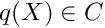 . This means that
  has no repeated factors, apart eventually from constants. Given a polynomial , we say that the decomposition
is a square-free factorization of![\[
p(X) = b \cdot p_1(X)^{a_1} \cdot p_2(X)^{a_2} \cdots p_r(X)^{a_r}
\]](form_39.png) if the following conditions hold:
if the following conditions hold: and
and  ;
; is a positive integer for
  ;
;- the degree of the polynomial
 is strictly positive for ;
 - the polynomial
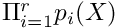 is square-free.
Square-free factorizations need not be unique. For example, if is even, we could change the polynomial  into
into  . Observe also that the factors need not be irreducible polynomials.
Definition at line 1889 of file normal.cpp.
References _ex0, GiNaC::container< C >::append(), factors, get_symbol_stats(), lcm(), lcm_of_coefficients_denominators(), multiply_lcm(), GiNaC::container< C >::nops(), GiNaC::container< C >::op(), GiNaC::container< C >::remove_first(), sqrfree(), sqrfree_yun(), and x.
Referenced by sqrfree().
◆ sqrfree_parfrac()
Compute square-free partial fraction decomposition of rational function a(x).
- Parameters
-
a rational function over Z[x], treated as univariate polynomial in x x variable to factor in
- Returns
- decomposed rational function
Definition at line 1948 of file normal.cpp.
References _ex1, GiNaC::basic::coeff(), GiNaC::ex::coeff(), coeff(), degree(), denom(), GiNaC::ex::expand(), factor(), GINAC_ASSERT, k, n, numer(), numer_denom(), GiNaC::ex::op(), pow(), quo(), r, rem(), rhs(), GiNaC::matrix::solve(), sqrfree_yun(), to_int(), and x.
◆ replace_with_symbol() [1/2]
|
static |
Create a symbol for replacing the expression "e" (or return a previously assigned symbol).
The symbol and expression are appended to repl, for a later application of subs(). An entry in the replacement table repl can be changed in some cases. If it was altered, we need to provide the modifier for the previously build expressions. The modifier is an (ordered) list, because those substitutions need to be done in the incremental order. As an example let us consider a rationalisation of the expression e = exp(2*x)*cos(exp(2*x)+1)*exp(x) The first factor GiNaC denotes by something like symbol1 and will record: e =symbol1*cos(symbol1 + 1)*exp(x) repl = {symbol1 : exp(2*x)} Similarly, the second factor would be denoted as symbol2 and we will have e =symbol1*symbol2*exp(x) repl = {symbol1 : exp(2*x), symbol2 : cos(symbol1 + 1)} Denoting the third term as symbol3 GiNaC is willing to re-think exp(2*x) as symbol3^2 rather than just symbol1. Here are two issues: 1) The replacement "symbol1 -> symbol3^2" in the previous part of the expression needs to be done outside of the present routine; 2) The pair "symbol1 : exp(2*x)" shall be deleted from the replacement table repl. However, this will create illegal substitution "symbol2 : cos(symbol1 + 1)" with undefined symbol1. These both problems are mitigated through the additions of the record "symbol1==symbol3^2" to the list modifier. Changed length of the modifier signals to the calling code that the previous portion of the expression needs to be altered (it solves 1). Thus GiNaC can record now e =symbol3^2*symbol2*symbol3 repl = {symbol2 : cos(symbol1 + 1), symbol3 : exp(x)} modifier = {symbol1==symbol3^2} Then, doing the backward substitutions the list modifier will be used to restore such iterative substitutions in the right way (this solves 2).
- See also
- ex::normal
Definition at line 2078 of file normal.cpp.
References _ex_1, GiNaC::container< C >::append(), degree(), denom(), exp(), GiNaC::ex::find(), GiNaC::ex::is_equal(), is_ex_the_function, is_integer(), is_rational(), GiNaC::subs_options::no_pattern, normal(), numer(), GiNaC::ex::op(), pow(), and GiNaC::ex::subs().
Referenced by GiNaC::basic::normal(), GiNaC::numeric::normal(), GiNaC::power::normal(), GiNaC::pseries::normal(), GiNaC::basic::to_polynomial(), GiNaC::numeric::to_polynomial(), GiNaC::power::to_polynomial(), GiNaC::basic::to_rational(), GiNaC::numeric::to_rational(), and GiNaC::power::to_rational().
◆ replace_with_symbol() [2/2]
Create a symbol for replacing the expression "e" (or return a previously assigned symbol).
The symbol and expression are appended to repl, and the symbol is returned.
Definition at line 2191 of file normal.cpp.
References GiNaC::subs_options::no_pattern, and GiNaC::ex::subs().
◆ frac_cancel()
Fraction cancellation.
- Parameters
-
n numerator d denominator
- Returns
- cancelled fraction {n, d} as a list
Definition at line 2276 of file normal.cpp.
References _ex1, _ex_1, _num1_p, GiNaC::numeric::denom(), GiNaC::ex::expand(), gcd(), get_first_symbol(), GINAC_ASSERT, GiNaC::ex::is_equal(), is_negative(), GiNaC::ex::is_zero(), lcm_of_coefficients_denominators(), multiply_lcm(), n, GiNaC::numeric::numer(), GiNaC::ex::unit(), and x.
Referenced by GiNaC::add::normal(), and GiNaC::mul::normal().
◆ find_common_factor()
Remove the common factor in the terms of a sum 'e' by calculating the GCD, and multiply it into the expression 'factor' (which needs to be initialized to 1, unless you're accumulating factors).
Definition at line 2770 of file normal.cpp.
References _ex0, _ex1, divide(), factor(), find_common_factor(), gcd(), GiNaC::ex::info(), GiNaC::info_flags::integer, GiNaC::ex::is_equal(), GiNaC::ex::is_zero(), k, GiNaC::ex::nops(), GiNaC::ex::op(), pow(), GiNaC::ex::to_polynomial(), and x.
Referenced by collect_common_factors(), and find_common_factor().
◆ collect_common_factors()
Collect common factors in sums.
This converts expressions like 'a*(b*x+b*y)' to 'a*b*(x+y)'.
Definition at line 2862 of file normal.cpp.
References factor(), find_common_factor(), GiNaC::subs_options::no_pattern, r, and GiNaC::ex::subs().
Referenced by GiNaC::power::to_polynomial().
◆ resultant()
Resultant of two expressions e1,e2 with respect to symbol s.
Method: Compute determinant of Sylvester matrix of e1,e2,s.
Definition at line 2878 of file normal.cpp.
References GiNaC::ex::coeff(), GiNaC::ex::degree(), GiNaC::ex::expand(), GiNaC::ex::info(), k, GiNaC::ex::ldegree(), m, and GiNaC::info_flags::polynomial.
◆ GINAC_IMPLEMENT_REGISTERED_CLASS_OPT() [26/33]
| GiNaC::GINAC_IMPLEMENT_REGISTERED_CLASS_OPT | ( | numeric | , |
| basic | , | ||
| print_func< print_context > &::do_print. print_func< print_latex > &::do_print_latex. print_func< print_csrc > &::do_print_csrc. print_func< print_csrc_cl_N > &::do_print_csrc_cl_N. print_func< print_tree > &::do_print_tree. print_func< print_python_repr > &::do_print_python_repr | |||
| ) |
default ctor.
Numerically it initializes to an integer zero.
Definition at line 60 of file numeric.cpp.
References GiNaC::status_flags::evaluated, GiNaC::status_flags::expanded, GiNaC::basic::setflag(), and GiNaC::numeric::value.
◆ make_real_float()
|
static |
Construct a floating point number from sign, mantissa, and exponent.
Definition at line 269 of file numeric.cpp.
References x.
Referenced by read_real_float().
◆ read_real_float()
|
static |
Read serialized floating point number.
Definition at line 281 of file numeric.cpp.
References make_real_float(), and x.
Referenced by GiNaC::numeric::read_archive().
◆ GINAC_BIND_UNARCHIVER() [36/49]
| GiNaC::GINAC_BIND_UNARCHIVER | ( | numeric | ) |
◆ write_real_float()
|
static |
◆ print_real_number()
|
static |
Helper function to print a real number in a nicer way than is CLN's default.
Instead of printing 42.0L0 this just prints 42.0 to ostream os and instead of 3.99168L7 it prints 3.99168E7. This is fine in GiNaC as long as it only uses cl_LF and no other floating point types that we might want to visibly distinguish from cl_LF.
- See also
- numeric::print()
Definition at line 397 of file numeric.cpp.
Referenced by GiNaC::numeric::print_numeric(), and print_real_cl_N().
◆ print_integer_csrc()
|
static |
Helper function to print integer number in C++ source format.
- See also
- numeric::print()
Definition at line 426 of file numeric.cpp.
Referenced by print_real_csrc().
◆ print_real_csrc()
|
static |
Helper function to print real number in C++ source format.
- See also
- numeric::print()
Definition at line 440 of file numeric.cpp.
References c, denom(), numer(), print_integer_csrc(), and x.
Referenced by GiNaC::numeric::do_print_csrc().
◆ coerce()
|
inlinestatic |
Referenced by print_real_cl_N().
◆ coerce< int, cln::cl_I >()
|
inline |
Check if CLN integer can be converted into int.
Definition at line 479 of file numeric.cpp.
◆ coerce< unsigned int, cln::cl_I >()
|
inline |
Definition at line 493 of file numeric.cpp.
◆ print_real_cl_N()
|
static |
Helper function to print real number in C++ source format using cl_N types.
- See also
- numeric::print()
Definition at line 507 of file numeric.cpp.
References c, coerce(), Digits, print_real_number(), and x.
Referenced by GiNaC::numeric::do_print_csrc_cl_N().
◆ exp()
Exponential function.
- Returns
- arbitrary precision numerical exp(x).
Definition at line 1439 of file numeric.cpp.
Referenced by abs_eval(), abs_power(), Bernoulli_polynomial(), beta_evalf(), GiNaC::Eisenstein_h_kernel::coefficient_an(), csgn_power(), GiNaC::power::do_print_csrc(), exp(), exp_conjugate(), exp_deriv(), exp_eval(), exp_evalf(), exp_expand(), exp_imag_part(), exp_power(), exp_real_part(), generalised_Bernoulli_number(), GiNaC::Kronecker_dtau_kernel::get_numerical_value(), GiNaC::power::imag_part(), log_eval(), print_sym_pow(), GiNaC::power::real_part(), replace_with_symbol(), GiNaC::power::series(), GiNaC::Kronecker_dtau_kernel::series_coeff_impl(), GiNaC::Kronecker_dz_kernel::series_coeff_impl(), and tgamma().
◆ log()
Natural logarithm.
- Parameters
-
x complex number
- Returns
- arbitrary precision numerical log(x).
- Exceptions
-
pole_error("log() logarithmic pole",0)
Definition at line 1450 of file numeric.cpp.
References GiNaC::ex::is_zero(), log(), and x.
Referenced by atan(), atan_series(), atanh_series(), GiNaC::power::derivative(), GiNaC::integral::eval_integ(), exp_eval(), G2_eval(), G2_evalf(), G3_eval(), G3_evalf(), H_eval(), GiNaC::power::imag_part(), lgamma(), lgamma_eval(), lgamma_series(), Li2_(), Li2_deriv(), Li2_eval(), Li2_projection(), Li2_series(), Li_eval(), log(), log_conjugate(), log_eval(), log_evalf(), log_expand(), log_real_part(), log_series(), psi1_eval(), psi2_eval(), GiNaC::power::real_part(), S_eval(), and GiNaC::power::series().
◆ sin()
Numeric sine (trigonometric function).
- Returns
- arbitrary precision numerical sin(x).
Definition at line 1461 of file numeric.cpp.
Referenced by GiNaC::Eisenstein_h_kernel::coefficient_a0(), cos_deriv(), cos_imag_part(), cosh_imag_part(), exp_imag_part(), GiNaC::power::imag_part(), lgamma(), sin(), sin_conjugate(), sin_eval(), sin_evalf(), sin_real_part(), sinh_eval(), sinh_imag_part(), tan_series(), and tgamma().
◆ cos()
Numeric cosine (trigonometric function).
- Returns
- arbitrary precision numerical cos(x).
Definition at line 1470 of file numeric.cpp.
Referenced by GiNaC::Eisenstein_h_kernel::coefficient_a0(), cos(), cos_conjugate(), cos_eval(), cos_evalf(), cos_real_part(), cosh_eval(), cosh_real_part(), exp_real_part(), GiNaC::power::real_part(), sin_deriv(), sin_imag_part(), sinh_real_part(), and tan_series().
◆ tan()
Numeric tangent (trigonometric function).
- Returns
- arbitrary precision numerical tan(x).
Definition at line 1479 of file numeric.cpp.
Referenced by tan(), tan_conjugate(), tan_deriv(), tan_eval(), tan_evalf(), tan_imag_part(), tan_real_part(), tanh_eval(), tanh_imag_part(), and tanh_real_part().
◆ asin()
Numeric inverse sine (trigonometric function).
- Returns
- arbitrary precision numerical asin(x).
Definition at line 1488 of file numeric.cpp.
Referenced by asin(), asin_conjugate(), asin_eval(), asin_evalf(), cos_eval(), sin_eval(), and tan_eval().
◆ acos()
Numeric inverse cosine (trigonometric function).
- Returns
- arbitrary precision numerical acos(x).
Definition at line 1497 of file numeric.cpp.
Referenced by acos(), acos_conjugate(), acos_eval(), acos_evalf(), cos_eval(), sin_eval(), and tan_eval().
◆ atan() [1/2]
Numeric arcustangent.
- Parameters
-
x complex number
- Returns
- atan(x)
- Exceptions
-
pole_error("atan() logarithmic pole",0) if x==I or x==-I.
Definition at line 1508 of file numeric.cpp.
References _num1_p, abs(), atan(), GiNaC::numeric::is_equal(), GiNaC::ex::is_zero(), and x.
Referenced by atan2_eval(), atan2_evalf(), atan_conjugate(), atan_eval(), atan_evalf(), atan_series(), cos_eval(), sin_eval(), and tan_eval().
◆ atan() [2/2]
Numeric arcustangent of two arguments, analytically continued in a suitable way.
- Parameters
-
y complex number x complex number
- Returns
- -I*log((x+I*y)/sqrt(x^2+y^2)), which is equal to atan(y/x) if y and x are both real.
- Exceptions
-
pole_error("atan() logarithmic pole",0) if y/x==+I or y/x==-I.
Definition at line 1525 of file numeric.cpp.
References _num0_p, atan(), GiNaC::numeric::is_real(), GiNaC::ex::is_zero(), GiNaC::numeric::is_zero(), log(), sqrt(), GiNaC::numeric::to_cl_N(), and x.
Referenced by atan().
◆ sinh()
Numeric hyperbolic sine (trigonometric function).
- Returns
- arbitrary precision numerical sinh(x).
Definition at line 1554 of file numeric.cpp.
Referenced by cos_imag_part(), cosh_deriv(), cosh_imag_part(), sin_imag_part(), sinh(), sinh_conjugate(), sinh_eval(), sinh_evalf(), sinh_real_part(), and tanh_series().
◆ cosh()
Numeric hyperbolic cosine (trigonometric function).
- Returns
- arbitrary precision numerical cosh(x).
Definition at line 1563 of file numeric.cpp.
Referenced by cos_real_part(), cosh(), cosh_conjugate(), cosh_eval(), cosh_evalf(), cosh_real_part(), sin_real_part(), sinh_deriv(), sinh_imag_part(), and tanh_series().
◆ tanh()
Numeric hyperbolic tangent (trigonometric function).
- Returns
- arbitrary precision numerical tanh(x).
Definition at line 1572 of file numeric.cpp.
Referenced by tan_imag_part(), tanh(), tanh_conjugate(), tanh_deriv(), tanh_eval(), tanh_evalf(), tanh_imag_part(), and tanh_real_part().
◆ asinh()
Numeric inverse hyperbolic sine (trigonometric function).
- Returns
- arbitrary precision numerical asinh(x).
Definition at line 1581 of file numeric.cpp.
Referenced by asinh(), asinh_conjugate(), asinh_eval(), asinh_evalf(), cosh_eval(), sinh_eval(), and tanh_eval().
◆ acosh()
Numeric inverse hyperbolic cosine (trigonometric function).
- Returns
- arbitrary precision numerical acosh(x).
Definition at line 1590 of file numeric.cpp.
Referenced by acosh(), acosh_conjugate(), acosh_eval(), acosh_evalf(), cosh_eval(), sinh_eval(), and tanh_eval().
◆ atanh()
Numeric inverse hyperbolic tangent (trigonometric function).
- Returns
- arbitrary precision numerical atanh(x).
Definition at line 1599 of file numeric.cpp.
Referenced by atanh(), atanh_conjugate(), atanh_eval(), atanh_evalf(), atanh_series(), cosh_eval(), sinh_eval(), and tanh_eval().
◆ Li2_series() [2/2]
|
static |
Numeric evaluation of Dilogarithm within circle of convergence (unit circle) using a power series.
Definition at line 1633 of file numeric.cpp.
References x.
◆ Li2_projection()
|
static |
Folds Li2's argument inside a small rectangle to enhance convergence.
Definition at line 1652 of file numeric.cpp.
References abs(), Li2_projection(), Li2_series(), log(), x, and zeta().
Referenced by Li2_(), and Li2_projection().
◆ Li2_()
| const cln::cl_N GiNaC::Li2_ | ( | const cln::cl_N & | value | ) |
Numeric evaluation of Dilogarithm.
The domain is the entire complex plane, the branch cut lies along the positive real axis, starting at 1 and continuous with quadrant IV.
- Returns
- arbitrary precision numerical Li2(x).
Definition at line 1679 of file numeric.cpp.
References abs(), Li2_projection(), log(), value, and zeta().
Referenced by Li2().
◆ Li2()
Definition at line 1705 of file numeric.cpp.
References _num0_p, Li2_(), and x.
Referenced by Li2_conjugate(), Li2_eval(), Li2_evalf(), and Li2_series().
◆ zeta() [3/3]
Numeric evaluation of Riemann's Zeta function.
Currently works only for integer arguments.
Definition at line 1717 of file numeric.cpp.
Referenced by Li2_(), Li2_projection(), and zeta().
◆ guess_precision()
|
static |
◆ lgamma() [1/2]
| const cln::cl_N GiNaC::lgamma | ( | const cln::cl_N & | x | ) |
The Gamma function.
Use the Lanczos approximation. If the coefficients used here are not sufficiently many or sufficiently accurate, more can be calculated using the program doc/examples/lanczos.cpp. In that case, be sure to read the comments in that file.
Definition at line 2039 of file numeric.cpp.
References GiNaC::lanczos_coeffs::calc_lanczos_A(), GiNaC::lanczos_coeffs::get_order(), guess_precision(), lgamma(), log(), sin(), GiNaC::lanczos_coeffs::sufficiently_accurate(), and x.
Referenced by beta_evalf(), lgamma(), lgamma_conjugate(), lgamma_eval(), lgamma_evalf(), and lgamma_series().
◆ lgamma() [2/2]
Definition at line 2060 of file numeric.cpp.
◆ tgamma() [1/2]
| const cln::cl_N GiNaC::tgamma | ( | const cln::cl_N & | x | ) |
Definition at line 2067 of file numeric.cpp.
References GiNaC::lanczos_coeffs::calc_lanczos_A(), exp(), GiNaC::lanczos_coeffs::get_order(), guess_precision(), sin(), sqrt(), GiNaC::lanczos_coeffs::sufficiently_accurate(), tgamma(), and x.
Referenced by beta_eval(), beta_series(), psi2_eval(), tgamma(), tgamma_conjugate(), tgamma_deriv(), tgamma_eval(), tgamma_evalf(), and tgamma_series().
◆ tgamma() [2/2]
Definition at line 2086 of file numeric.cpp.
◆ psi() [3/4]
The psi function (aka polygamma function).
This is only a stub!
Definition at line 2095 of file numeric.cpp.
◆ psi() [4/4]
The psi functions (aka polygamma functions).
This is only a stub!
Definition at line 2103 of file numeric.cpp.
◆ factorial()
Factorial combinatorial function.
- Parameters
-
n integer argument >= 0
- Exceptions
-
range_error (argument must be integer >= 0)
Definition at line 2113 of file numeric.cpp.
References factorial(), and n.
Referenced by Bernoulli_polynomial(), factorial(), factorial_conjugate(), factorial_eval(), factorial_evalf(), factorial_real_part(), G2_eval(), G2_evalf(), G3_eval(), G3_evalf(), generalised_Bernoulli_number(), H_eval(), lgamma_eval(), multinomial_coefficient(), psi2_eval(), psi2_series(), S_eval(), GiNaC::Kronecker_dtau_kernel::series_coeff_impl(), GiNaC::Kronecker_dz_kernel::series_coeff_impl(), symm(), tgamma_eval(), and zeta1_eval().
◆ doublefactorial()
The double factorial combinatorial function.
(Scarcely used, but still useful in cases, like for exact results of tgamma(n+1/2) for instance.)
- Parameters
-
n integer argument >= -1
- Returns
- n!! == n * (n-2) * (n-4) * ... * ({1|2}) with 0!! == (-1)!! == 1
- Exceptions
-
range_error (argument must be integer >= -1)
Definition at line 2127 of file numeric.cpp.
References _num1_p, _num_1_p, doublefactorial(), and n.
Referenced by doublefactorial(), and tgamma_eval().
◆ binomial()
The Binomial coefficients.
It computes the binomial coefficients. For integer n and k and positive n this is the number of ways of choosing k objects from n distinct objects. If n is a negative integer, the formula binomial(n,k) == (-1)^k*binomial(k-n-1,k) (if k>=0) binomial(n,k) == (-1)^(n-k)*binomial(-k-1,n-k) (otherwise) is used to compute the result.
Definition at line 2145 of file numeric.cpp.
References _num0_p, _num1_p, _num_1_p, binomial(), k, n, and GiNaC::numeric::power().
Referenced by binomial(), binomial_conjugate(), binomial_eval(), binomial_evalf(), binomial_real_part(), binomial_sym(), EllipticE_series(), EllipticK_series(), GiNaC::power::expand_add(), GiNaC::power::imag_part(), and GiNaC::power::real_part().
◆ bernoulli()
Bernoulli number.
The nth Bernoulli number is the coefficient of x^n/n! in the expansion of the function x/(e^x-1).
- Returns
- the nth Bernoulli number (a rational number).
- Exceptions
-
range_error (argument must be integer >= 0)
Definition at line 2171 of file numeric.cpp.
References _num1_p, c, GiNaC::numeric::is_integer(), GiNaC::numeric::is_negative(), k, n, and GiNaC::numeric::to_int().
Referenced by GiNaC::Kronecker_dtau_kernel::series_coeff_impl(), GiNaC::Kronecker_dz_kernel::series_coeff_impl(), and zeta1_eval().
◆ fibonacci()
Fibonacci number.
The nth Fibonacci number F(n) is defined by the recurrence formula F(n)==F(n-1)+F(n-2) with F(0)==0 and F(1)==1.
- Parameters
-
n an integer
- Returns
- the nth Fibonacci number F(n) (an integer number)
- Exceptions
-
range_error (argument must be an integer)
Definition at line 2263 of file numeric.cpp.
References _num0_p, fibonacci(), m, and n.
Referenced by fibonacci().
◆ abs()
Absolute value.
Definition at line 2320 of file numeric.cpp.
Referenced by abs(), abs_conjugate(), abs_eval(), abs_evalf(), abs_expand(), abs_expl_derivative(), abs_power(), abs_real_part(), adaptivesimpson(), atan(), atan_series(), atanh_series(), GiNaC::power::eval(), generalised_Bernoulli_number(), H_evalf(), GiNaC::power::imag_part(), GiNaC::mul::integer_content(), GiNaC::numeric::integer_content(), is_discriminant_of_quadratic_number_field(), Li2_(), Li2_projection(), log_real_part(), GiNaC::add::max_coefficient(), GiNaC::mul::max_coefficient(), GiNaC::numeric::max_coefficient(), GiNaC::matrix::pivot(), print_real_number(), GiNaC::power::real_part(), tgamma_eval(), GiNaC::ex::unitcontprim(), and zeta1_eval().
◆ mod()
Modulus (in positive representation).
In general, mod(a,b) has the sign of b or is zero, and rem(a,b) has the sign of a or is zero. This is different from Maple's modp, where the sign of b is ignored. It is in agreement with Mathematica's Mod.
- Returns
- a mod b in the range [0,abs(b)-1] with sign of b if both are integer, 0 otherwise.
Definition at line 2333 of file numeric.cpp.
References _num0_p, GiNaC::numeric::is_integer(), mod(), and GiNaC::numeric::to_cl_N().
Referenced by GiNaC::Eisenstein_h_kernel::coefficient_a0(), GiNaC::Eisenstein_h_kernel::coefficient_an(), cos_eval(), exp_eval(), is_discriminant_of_quadratic_number_field(), mod(), sin_eval(), smod(), and tan_eval().
◆ smod()
Modulus (in symmetric representation).
- Returns
- a mod b in the range [-iquo(abs(b),2), iquo(abs(b),2)].
Definition at line 2346 of file numeric.cpp.
References _num0_p, GiNaC::numeric::is_integer(), m, mod(), and GiNaC::numeric::to_cl_N().
Referenced by GiNaC::add::smod(), GiNaC::mul::smod(), and GiNaC::numeric::smod().
◆ irem() [1/2]
Numeric integer remainder.
Equivalent to Maple's irem(a,b) as far as sign conventions are concerned. In general, mod(a,b) has the sign of b or is zero, and irem(a,b) has the sign of a or is zero.
- Returns
- remainder of a/b if both are integer, 0 otherwise.
- Exceptions
-
overflow_error (division by zero) if b is zero.
Definition at line 2368 of file numeric.cpp.
References _num0_p, GiNaC::numeric::is_integer(), GiNaC::numeric::is_zero(), rem(), and GiNaC::numeric::to_cl_N().
Referenced by GiNaC::Eisenstein_h_kernel::coefficient_a0(), GiNaC::Eisenstein_h_kernel::coefficient_an(), and ifactor().
◆ irem() [2/2]
Numeric integer remainder.
Equivalent to Maple's irem(a,b,'q') it obeyes the relation irem(a,b,q) == a - q*b. In general, mod(a,b) has the sign of b or is zero, and irem(a,b) has the sign of a or is zero.
- Returns
- remainder of a/b and quotient stored in q if both are integer, 0 otherwise.
- Exceptions
-
overflow_error (division by zero) if b is zero.
Definition at line 2388 of file numeric.cpp.
References _num0_p, GiNaC::numeric::is_integer(), GiNaC::numeric::is_zero(), and GiNaC::numeric::to_cl_N().
◆ iquo() [1/2]
Numeric integer quotient.
Equivalent to Maple's iquo as far as sign conventions are concerned.
- Returns
- truncated quotient of a/b if both are integer, 0 otherwise.
- Exceptions
-
overflow_error (division by zero) if b is zero.
Definition at line 2409 of file numeric.cpp.
References _num0_p, GiNaC::numeric::is_integer(), GiNaC::numeric::is_zero(), and GiNaC::numeric::to_cl_N().
Referenced by GiNaC::power::eval(), and heur_gcd_z().
◆ iquo() [2/2]
Numeric integer quotient.
Equivalent to Maple's iquo(a,b,'r') it obeyes the relation r == a - iquo(a,b,r)*b.
- Returns
- truncated quotient of a/b and remainder stored in r if both are integer, 0 otherwise.
- Exceptions
-
overflow_error (division by zero) if b is zero.
Definition at line 2428 of file numeric.cpp.
References _num0_p, GiNaC::numeric::is_integer(), GiNaC::numeric::is_zero(), r, and GiNaC::numeric::to_cl_N().
◆ gcd() [2/2]
Greatest Common Divisor.
- Returns
- The GCD of two numbers if both are integer, a numerical 1 if they are not.
Definition at line 2448 of file numeric.cpp.
References _num1_p, gcd(), GiNaC::numeric::is_integer(), and GiNaC::numeric::to_cl_N().
Referenced by gcd().
◆ lcm() [2/2]
Least Common Multiple.
- Returns
- The LCM of two numbers if both are integer, the product of those two numbers if they are not.
Definition at line 2462 of file numeric.cpp.
References GiNaC::numeric::is_integer(), lcm(), GiNaC::numeric::mul(), and GiNaC::numeric::to_cl_N().
Referenced by GiNaC::numeric::denom(), lcm(), and GiNaC::numeric::numer().
◆ sqrt() [1/2]
Numeric square root.
If possible, sqrt(x) should respect squares of exact numbers, i.e. sqrt(4) should return integer 2.
- Parameters
-
x numeric argument
- Returns
- square root of x. Branch cut along negative real axis, the negative real axis itself where imag(x)==0 and real(x)<0 belongs to the upper part where imag(x)>0.
Definition at line 2480 of file numeric.cpp.
Referenced by atan(), cos_eval(), cosh_eval(), EllipticE_evalf(), EllipticK_evalf(), GiNaC::su3f::eval_indexed(), GiNaC::su3d::eval_indexed(), sin_eval(), sinh_eval(), sqrt(), tan_eval(), tanh_eval(), tgamma(), and tgamma_eval().
◆ isqrt()
Integer numeric square root.
Definition at line 2487 of file numeric.cpp.
References _num0_p, isqrt(), and x.
Referenced by heur_gcd_z(), and isqrt().
◆ PiEvalf()
| ex GiNaC::PiEvalf | ( | ) |
Floating point evaluation of Archimedes' constant Pi.
Definition at line 2499 of file numeric.cpp.
◆ EulerEvalf()
| ex GiNaC::EulerEvalf | ( | ) |
Floating point evaluation of Euler's constant gamma.
Definition at line 2506 of file numeric.cpp.
◆ CatalanEvalf()
| ex GiNaC::CatalanEvalf | ( | ) |
Floating point evaluation of Catalan's constant.
Definition at line 2513 of file numeric.cpp.
◆ operator<<() [6/16]
| std::ostream & GiNaC::operator<< | ( | std::ostream & | os, |
| const _numeric_digits & | e | ||
| ) |
Definition at line 2574 of file numeric.cpp.
References GiNaC::_numeric_digits::print().
◆ GINAC_DECLARE_UNARCHIVER() [38/51]
| GiNaC::GINAC_DECLARE_UNARCHIVER | ( | numeric | ) |
◆ pow() [1/3]
Definition at line 251 of file numeric.h.
References x.
Referenced by abs_eval(), abs_power(), GiNaC::mul::algebraic_subs_mul(), beta_eval(), GiNaC::Eisenstein_h_kernel::coefficient_an(), GiNaC::basic::collect(), GiNaC::mul::combine_ex_with_coeff_to_pair(), GiNaC::mul::combine_pair_with_coeff_to_pair(), GiNaC::pseries::convert_to_poly(), GiNaC::mul::derivative(), GiNaC::power::derivative(), divide(), divide_in_z(), EllipticE_series(), EllipticK_series(), GiNaC::power::eval(), GiNaC::power::evalm(), GiNaC::power::expand(), GiNaC::power::expand_add(), factor(), find_common_factor(), G2_eval(), G2_evalf(), G3_eval(), G3_evalf(), gcd(), gcd_pf_pow(), gcd_pf_pow_pow(), GiNaC::Kronecker_dtau_kernel::get_numerical_value(), GiNaC::Kronecker_dz_kernel::get_numerical_value(), H_eval(), GiNaC::power::imag_part(), interpolate(), kronecker_symbol(), GiNaC::integration_kernel::Laurent_series(), lcmcoeff(), Li2_series(), Li_eval(), Li_series(), log_series(), multiply_lcm(), GiNaC::power::normal(), GiNaC::pseries::op(), Order_power(), GiNaC::pseries::power_const(), prem(), GiNaC::pseries::print_series(), psi1_eval(), psi2_eval(), GiNaC::Eisenstein_h_kernel::q_expansion_modular_form(), quo(), GiNaC::power::real_part(), rem(), replace_with_symbol(), S_eval(), S_series(), GiNaC::modular_form_kernel::series(), GiNaC::Kronecker_dz_kernel::series_coeff_impl(), sprem(), sqrfree_parfrac(), sr_gcd(), GiNaC::power::subs(), tgamma_eval(), GiNaC::power::to_polynomial(), GiNaC::power::to_rational(), and zeta1_eval().
◆ inverse() [3/3]
◆ step()
Definition at line 257 of file numeric.h.
References x.
Referenced by abs_eval(), H_eval(), step_conjugate(), step_eval(), step_evalf(), step_real_part(), and step_series().
◆ csgn()
|
inline |
Definition at line 260 of file numeric.h.
References x.
Referenced by atan_series(), atanh_series(), csgn_conjugate(), csgn_eval(), csgn_evalf(), csgn_power(), csgn_real_part(), csgn_series(), eta_eval(), eta_evalf(), and log_series().
◆ is_zero() [2/2]
|
inline |
Definition at line 263 of file numeric.h.
References GiNaC::ex::is_zero(), and x.
◆ is_positive()
|
inline |
◆ is_negative()
|
inline |
Definition at line 269 of file numeric.h.
References x.
Referenced by GiNaC::power::do_print_latex(), GiNaC::power::eval(), and frac_cancel().
◆ is_integer()
|
inline |
Definition at line 272 of file numeric.h.
References x.
Referenced by beta_eval(), binomial_eval(), GiNaC::power::coeff(), GiNaC::power::degree(), GiNaC::power::expand(), GiNaC::power::ldegree(), GiNaC::pseries::power_const(), psi1_eval(), psi2_eval(), replace_with_symbol(), and GiNaC::power::series().
◆ is_pos_integer()
|
inline |
Definition at line 275 of file numeric.h.
References x.
Referenced by GiNaC::power::expand_add(), and GiNaC::power::expand_add_2().
◆ is_nonneg_integer()
|
inline |
◆ is_even()
|
inline |
Definition at line 281 of file numeric.h.
References x.
Referenced by abs_power(), and GiNaC::Kronecker_dz_kernel::series_coeff_impl().
◆ is_odd()
|
inline |
◆ is_prime()
|
inline |
◆ is_rational()
|
inline |
Definition at line 290 of file numeric.h.
References x.
Referenced by beta_eval(), lgamma_eval(), replace_with_symbol(), and tgamma_eval().
◆ is_real()
|
inline |
Definition at line 293 of file numeric.h.
References x.
Referenced by beta_eval(), fsolve(), G2_eval(), G2_evalf(), and Li2_series().
◆ is_cinteger()
|
inline |
◆ is_crational()
|
inline |
◆ to_int()
|
inline |
Definition at line 302 of file numeric.h.
References x.
Referenced by color_trace(), H_evalf(), GiNaC::basic::operator[](), GiNaC::pseries::power_const(), S_eval(), GiNaC::power::series(), and sqrfree_parfrac().
◆ to_long()
|
inline |
◆ to_double()
|
inline |
◆ real()
Definition at line 311 of file numeric.h.
References x.
Referenced by cosh_eval(), sinh_eval(), and tanh_eval().
◆ imag()
Definition at line 314 of file numeric.h.
References x.
Referenced by eta_eval(), eta_evalf(), G2_eval(), and G2_evalf().
◆ numer() [2/2]
Definition at line 317 of file numeric.h.
References GiNaC::ex::numer(), and x.
◆ denom() [2/2]
Definition at line 320 of file numeric.h.
References GiNaC::ex::denom(), and x.
◆ exadd()
Used internally by operator+() to add two ex objects.
Definition at line 38 of file operators.cpp.
Referenced by operator+(), operator++(), operator+=(), operator-(), operator--(), and operator-=().
◆ exmul()
Used internally by operator*() to multiply two ex objects.
Definition at line 44 of file operators.cpp.
References GiNaC::return_types::commutative, and GiNaC::ex::return_type().
Referenced by operator*(), operator*=(), operator/(), and operator/=().
◆ exminus()
Used internally by operator-() and friends to change the sign of an argument.
Definition at line 58 of file operators.cpp.
References _ex_1.
Referenced by operator-(), and operator-=().
◆ operator+() [1/4]
Definition at line 65 of file operators.cpp.
References exadd().
◆ operator-() [1/4]
Definition at line 70 of file operators.cpp.
◆ operator*() [1/2]
Definition at line 75 of file operators.cpp.
References exmul().
◆ operator/() [1/2]
Definition at line 80 of file operators.cpp.
◆ operator+() [2/4]
Definition at line 88 of file operators.cpp.
References GiNaC::numeric::add().
◆ operator-() [2/4]
Definition at line 93 of file operators.cpp.
References GiNaC::numeric::sub().
◆ operator*() [2/2]
Definition at line 98 of file operators.cpp.
References GiNaC::numeric::mul().
◆ operator/() [2/2]
Definition at line 103 of file operators.cpp.
References GiNaC::numeric::div().
◆ operator+=() [1/2]
Definition at line 111 of file operators.cpp.
References exadd().
◆ operator-=() [1/2]
Definition at line 116 of file operators.cpp.
◆ operator*=() [1/2]
Definition at line 121 of file operators.cpp.
References exmul().
◆ operator/=() [1/2]
Definition at line 126 of file operators.cpp.
◆ operator+=() [2/2]
Definition at line 134 of file operators.cpp.
References GiNaC::numeric::add().
◆ operator-=() [2/2]
Definition at line 140 of file operators.cpp.
References GiNaC::numeric::sub().
◆ operator*=() [2/2]
Definition at line 146 of file operators.cpp.
References GiNaC::numeric::mul().
◆ operator/=() [2/2]
Definition at line 152 of file operators.cpp.
References GiNaC::numeric::div().
◆ operator+() [3/4]
Definition at line 161 of file operators.cpp.
◆ operator-() [3/4]
Definition at line 166 of file operators.cpp.
References exminus().
◆ operator+() [4/4]
Definition at line 171 of file operators.cpp.
◆ operator-() [4/4]
Definition at line 176 of file operators.cpp.
References _num_1_p, and GiNaC::numeric::mul().
◆ operator++() [1/4]
Expression prefix increment.
Adds 1 and returns incremented ex.
Definition at line 185 of file operators.cpp.
◆ operator--() [1/4]
Expression prefix decrement.
Subtracts 1 and returns decremented ex.
Definition at line 191 of file operators.cpp.
◆ operator++() [2/4]
Expression postfix increment.
Returns the ex and leaves the original incremented by 1.
Definition at line 198 of file operators.cpp.
◆ operator--() [2/4]
Expression postfix decrement.
Returns the ex and leaves the original decremented by 1.
Definition at line 207 of file operators.cpp.
◆ operator++() [3/4]
Numeric prefix increment.
Adds 1 and returns incremented number.
Definition at line 215 of file operators.cpp.
References _num1_p, and GiNaC::numeric::add().
◆ operator--() [3/4]
Numeric prefix decrement.
Subtracts 1 and returns decremented number.
Definition at line 222 of file operators.cpp.
References _num_1_p, and GiNaC::numeric::add().
◆ operator++() [4/4]
Numeric postfix increment.
Returns the number and leaves the original incremented by 1.
Definition at line 230 of file operators.cpp.
References _num1_p, and GiNaC::numeric::add().
◆ operator--() [4/4]
Numeric postfix decrement.
Returns the number and leaves the original decremented by 1.
Definition at line 239 of file operators.cpp.
References _num_1_p, and GiNaC::numeric::add().
◆ operator==()
| const relational GiNaC::operator== | ( | const ex & | lh, |
| const ex & | rh | ||
| ) |
Definition at line 248 of file operators.cpp.
References GiNaC::relational::equal.
◆ operator!=()
| const relational GiNaC::operator!= | ( | const ex & | lh, |
| const ex & | rh | ||
| ) |
Definition at line 253 of file operators.cpp.
References GiNaC::relational::not_equal.
◆ operator<()
| const relational GiNaC::operator< | ( | const ex & | lh, |
| const ex & | rh | ||
| ) |
Definition at line 258 of file operators.cpp.
References GiNaC::relational::less.
◆ operator<=()
| const relational GiNaC::operator<= | ( | const ex & | lh, |
| const ex & | rh | ||
| ) |
Definition at line 263 of file operators.cpp.
References GiNaC::relational::less_or_equal.
◆ operator>()
| const relational GiNaC::operator> | ( | const ex & | lh, |
| const ex & | rh | ||
| ) |
Definition at line 268 of file operators.cpp.
References GiNaC::relational::greater.
◆ operator>=()
| const relational GiNaC::operator>= | ( | const ex & | lh, |
| const ex & | rh | ||
| ) |
Definition at line 273 of file operators.cpp.
References GiNaC::relational::greater_or_equal.
◆ my_ios_index()
|
static |
Definition at line 280 of file operators.cpp.
Referenced by get_print_context(), and set_print_context().
◆ my_ios_callback()
|
static |
Definition at line 287 of file operators.cpp.
Referenced by set_print_context().
◆ get_print_context()
|
inlinestatic |
Definition at line 303 of file operators.cpp.
References my_ios_index().
Referenced by get_print_options(), operator<<(), and set_print_options().
◆ set_print_context()
|
static |
Definition at line 309 of file operators.cpp.
References c, callback_registered, my_ios_callback(), my_ios_index(), options, and GiNaC::print_context::options.
Referenced by csrc(), csrc_cl_N(), csrc_double(), csrc_float(), dflt(), latex(), python(), python_repr(), set_print_options(), and tree().
◆ get_print_options()
|
inlinestatic |
Definition at line 326 of file operators.cpp.
References get_print_context(), and GiNaC::print_context::options.
Referenced by index_dimensions(), and no_index_dimensions().
◆ set_print_options()
|
static |
Definition at line 333 of file operators.cpp.
References get_print_context(), options, GiNaC::print_context::options, and set_print_context().
Referenced by dflt(), index_dimensions(), and no_index_dimensions().
◆ operator<<() [7/16]
| std::ostream & GiNaC::operator<< | ( | std::ostream & | os, |
| const ex & | e | ||
| ) |
Definition at line 342 of file operators.cpp.
References get_print_context(), and GiNaC::ex::print().
◆ operator>>() [3/3]
| std::istream & GiNaC::operator>> | ( | std::istream & | is, |
| ex & | e | ||
| ) |
Definition at line 438 of file operators.cpp.
◆ dflt()
| std::ostream & GiNaC::dflt | ( | std::ostream & | os | ) |
Definition at line 443 of file operators.cpp.
References set_print_context(), and set_print_options().
◆ latex()
| std::ostream & GiNaC::latex | ( | std::ostream & | os | ) |
Definition at line 450 of file operators.cpp.
References set_print_context().
◆ python()
| std::ostream & GiNaC::python | ( | std::ostream & | os | ) |
Definition at line 456 of file operators.cpp.
References set_print_context().
◆ python_repr()
| std::ostream & GiNaC::python_repr | ( | std::ostream & | os | ) |
Definition at line 462 of file operators.cpp.
References set_print_context().
◆ tree()
| std::ostream & GiNaC::tree | ( | std::ostream & | os | ) |
Definition at line 468 of file operators.cpp.
References set_print_context().
Referenced by GiNaC::class_info< OPT >::dump_hierarchy().
◆ csrc()
| std::ostream & GiNaC::csrc | ( | std::ostream & | os | ) |
Definition at line 474 of file operators.cpp.
References set_print_context().
◆ csrc_float()
| std::ostream & GiNaC::csrc_float | ( | std::ostream & | os | ) |
Definition at line 480 of file operators.cpp.
References set_print_context().
◆ csrc_double()
| std::ostream & GiNaC::csrc_double | ( | std::ostream & | os | ) |
Definition at line 486 of file operators.cpp.
References set_print_context().
◆ csrc_cl_N()
| std::ostream & GiNaC::csrc_cl_N | ( | std::ostream & | os | ) |
Definition at line 492 of file operators.cpp.
References set_print_context().
◆ index_dimensions()
| std::ostream & GiNaC::index_dimensions | ( | std::ostream & | os | ) |
Definition at line 498 of file operators.cpp.
References get_print_options(), GiNaC::print_options::print_index_dimensions, and set_print_options().
◆ no_index_dimensions()
| std::ostream & GiNaC::no_index_dimensions | ( | std::ostream & | os | ) |
Definition at line 504 of file operators.cpp.
References get_print_options(), GiNaC::print_options::print_index_dimensions, and set_print_options().
◆ GINAC_IMPLEMENT_REGISTERED_CLASS_OPT() [27/33]
| GiNaC::GINAC_IMPLEMENT_REGISTERED_CLASS_OPT | ( | power | , |
| basic | , | ||
| print_func< print_dflt > &::do_print_dflt. print_func< print_latex > &::do_print_latex. print_func< print_csrc > &::do_print_csrc. print_func< print_python > &::do_print_python. print_func< print_python_repr > &::do_print_python_repr. print_func< print_csrc_cl_N > &::do_print_csrc_cl_N | |||
| ) |
◆ print_sym_pow()
|
static |
Definition at line 140 of file power.cpp.
References c, exp(), GiNaC::ex::print(), print_sym_pow(), and x.
Referenced by GiNaC::power::do_print_csrc(), and print_sym_pow().
◆ GINAC_BIND_UNARCHIVER() [37/49]
| GiNaC::GINAC_BIND_UNARCHIVER | ( | power | ) |
◆ GINAC_DECLARE_UNARCHIVER() [39/51]
| GiNaC::GINAC_DECLARE_UNARCHIVER | ( | power | ) |
◆ pow() [2/3]
◆ pow() [3/3]
|
inline |
◆ sqrt() [2/2]
◆ is_a() [3/3]
|
inline |
◆ GINAC_IMPLEMENT_REGISTERED_CLASS_OPT() [28/33]
| GiNaC::GINAC_IMPLEMENT_REGISTERED_CLASS_OPT | ( | pseries | , |
| basic | , | ||
| print_func< print_context > &::do_print. print_func< print_latex > &::do_print_latex. print_func< print_tree > &::do_print_tree. print_func< print_python > &::do_print_python. print_func< print_python_repr > &::do_print_python_repr | |||
| ) |
Definition at line 43 of file pseries.cpp.
◆ GINAC_BIND_UNARCHIVER() [38/49]
| GiNaC::GINAC_BIND_UNARCHIVER | ( | pseries | ) |
◆ GINAC_DECLARE_UNARCHIVER() [40/51]
| GiNaC::GINAC_DECLARE_UNARCHIVER | ( | pseries | ) |
◆ series_to_poly()
Convert the pseries object embedded in an expression to an ordinary polynomial in the expansion variable.
The result is undefined if the expression does not contain a pseries object at its top level.
- Parameters
-
e expression
- Returns
- polynomial expression
- See also
- is_a<>
- pseries::convert_to_poly
Definition at line 136 of file pseries.h.
Referenced by Bernoulli_polynomial(), generalised_Bernoulli_number(), GiNaC::modular_form_kernel::is_numeric(), and GiNaC::modular_form_kernel::Laurent_series().
◆ is_terminating()
|
inline |
Definition at line 141 of file pseries.h.
References GiNaC::pseries::is_terminating().
◆ make_return_type_t()
|
inline |
Definition at line 71 of file registrar.h.
References GiNaC::return_type_t::rl, and GiNaC::return_type_t::tinfo.
◆ set_print_func() [1/2]
| void GiNaC::set_print_func | ( | void | fconst T &, const C &c, unsigned | ) |
◆ set_print_func() [2/2]
| void GiNaC::set_print_func | ( | void(T::*)(const C &, unsigned) | f | ) |
◆ GINAC_IMPLEMENT_REGISTERED_CLASS_OPT() [29/33]
| GiNaC::GINAC_IMPLEMENT_REGISTERED_CLASS_OPT | ( | relational | , |
| basic | , | ||
| print_func< print_context > &::do_print. print_func< print_tree > &::do_print_tree. print_func< print_python_repr > &::do_print_python_repr | |||
| ) |
Definition at line 35 of file relational.cpp.
◆ GINAC_BIND_UNARCHIVER() [39/49]
| GiNaC::GINAC_BIND_UNARCHIVER | ( | relational | ) |
◆ print_operator()
|
static |
Definition at line 85 of file relational.cpp.
References c, GiNaC::relational::equal, GiNaC::relational::greater, GiNaC::relational::greater_or_equal, GiNaC::relational::less, GiNaC::relational::less_or_equal, and GiNaC::relational::not_equal.
Referenced by GiNaC::relational::do_print(), and GiNaC::relational::do_print_python_repr().
◆ GINAC_DECLARE_UNARCHIVER() [41/51]
| GiNaC::GINAC_DECLARE_UNARCHIVER | ( | relational | ) |
◆ GINAC_IMPLEMENT_REGISTERED_CLASS_OPT() [30/33]
| GiNaC::GINAC_IMPLEMENT_REGISTERED_CLASS_OPT | ( | symbol | , |
| basic | , | ||
| print_func< print_context > &::do_print. print_func< print_latex > &::do_print_latex. print_func< print_tree > &::do_print_tree. print_func< print_python_repr > &::do_print_python_repr | |||
| ) |
Definition at line 36 of file symbol.cpp.
References GiNaC::status_flags::evaluated, and GiNaC::status_flags::expanded.
◆ get_default_TeX_name()
|
static |
Return default TeX name for symbol.
This recognizes some greek letters.
Definition at line 297 of file symbol.cpp.
Referenced by GiNaC::symbol::do_print_latex(), and GiNaC::symbol::get_TeX_name().
◆ GINAC_BIND_UNARCHIVER() [40/49]
| GiNaC::GINAC_BIND_UNARCHIVER | ( | symbol | ) |
◆ GINAC_BIND_UNARCHIVER() [41/49]
| GiNaC::GINAC_BIND_UNARCHIVER | ( | realsymbol | ) |
◆ GINAC_BIND_UNARCHIVER() [42/49]
| GiNaC::GINAC_BIND_UNARCHIVER | ( | possymbol | ) |
◆ GINAC_DECLARE_UNARCHIVER() [42/51]
| GiNaC::GINAC_DECLARE_UNARCHIVER | ( | symbol | ) |
◆ GINAC_DECLARE_UNARCHIVER() [43/51]
| GiNaC::GINAC_DECLARE_UNARCHIVER | ( | realsymbol | ) |
◆ GINAC_DECLARE_UNARCHIVER() [44/51]
| GiNaC::GINAC_DECLARE_UNARCHIVER | ( | possymbol | ) |
◆ GINAC_IMPLEMENT_REGISTERED_CLASS_OPT() [31/33]
| GiNaC::GINAC_IMPLEMENT_REGISTERED_CLASS_OPT | ( | symmetry | , |
| basic | , | ||
| print_func< print_context > &::do_print. print_func< print_tree > &::do_print_tree | |||
| ) |
Definition at line 39 of file symmetry.cpp.
References GiNaC::status_flags::evaluated, and GiNaC::status_flags::expanded.
◆ GINAC_BIND_UNARCHIVER() [43/49]
| GiNaC::GINAC_BIND_UNARCHIVER | ( | symmetry | ) |
◆ index0()
|
static |
Definition at line 326 of file symmetry.cpp.
Referenced by antisymmetric2(), antisymmetric3(), antisymmetric4(), symmetric2(), symmetric3(), and symmetric4().
◆ index1()
|
static |
Definition at line 332 of file symmetry.cpp.
Referenced by antisymmetric2(), antisymmetric3(), antisymmetric4(), symmetric2(), symmetric3(), and symmetric4().
◆ index2()
|
static |
Definition at line 338 of file symmetry.cpp.
Referenced by antisymmetric3(), antisymmetric4(), symmetric3(), and symmetric4().
◆ index3()
|
static |
Definition at line 344 of file symmetry.cpp.
Referenced by antisymmetric4(), and symmetric4().
◆ not_symmetric()
| const symmetry & GiNaC::not_symmetric | ( | ) |
Definition at line 350 of file symmetry.cpp.
Referenced by GiNaC::indexed::read_archive().
◆ symmetric2()
| const symmetry & GiNaC::symmetric2 | ( | ) |
Definition at line 356 of file symmetry.cpp.
References index0(), index1(), and GiNaC::symmetry::symmetric.
Referenced by delta_tensor(), GiNaC::clifford::get_metric(), lorentz_g(), and metric_tensor().
◆ symmetric3()
| const symmetry & GiNaC::symmetric3 | ( | ) |
Definition at line 362 of file symmetry.cpp.
References index0(), index1(), index2(), and GiNaC::symmetry::symmetric.
Referenced by color_d().
◆ symmetric4()
| const symmetry & GiNaC::symmetric4 | ( | ) |
Definition at line 368 of file symmetry.cpp.
References index0(), index1(), index2(), index3(), and GiNaC::symmetry::symmetric.
◆ antisymmetric2()
| const symmetry & GiNaC::antisymmetric2 | ( | ) |
Definition at line 374 of file symmetry.cpp.
References GiNaC::symmetry::antisymmetric, index0(), and index1().
Referenced by epsilon_tensor(), and spinor_metric().
◆ antisymmetric3()
| const symmetry & GiNaC::antisymmetric3 | ( | ) |
Definition at line 380 of file symmetry.cpp.
References GiNaC::symmetry::antisymmetric, index0(), index1(), and index2().
Referenced by color_f(), and epsilon_tensor().
◆ antisymmetric4()
| const symmetry & GiNaC::antisymmetric4 | ( | ) |
Definition at line 386 of file symmetry.cpp.
References GiNaC::symmetry::antisymmetric, index0(), index1(), index2(), and index3().
Referenced by lorentz_eps().
◆ canonicalize()
| int GiNaC::canonicalize | ( | exvector::iterator | v, |
| const symmetry & | symm | ||
| ) |
Canonicalize the order of elements of an expression vector, according to the symmetry properties defined in a symmetry tree.
- Parameters
-
v Start of expression vector symm Root node of symmetry tree
- Returns
- the overall sign introduced by the reordering (+1, -1 or 0) or numeric_limits<int>::max() if nothing changed
Definition at line 438 of file symmetry.cpp.
Referenced by GiNaC::function::eval(), and GiNaC::indexed::eval().
◆ symm()
|
static |
Definition at line 485 of file symmetry.cpp.
References GiNaC::container< C >::append(), factorial(), last, GiNaC::subs_options::no_index_renaming, GiNaC::subs_options::no_pattern, GiNaC::container< C >::op(), permutation_sign(), and GiNaC::ex::subs().
Referenced by antisymmetrize(), GiNaC::ex::antisymmetrize(), GiNaC::indexed::read_archive(), symmetrize(), and GiNaC::ex::symmetrize().
◆ symmetrize() [3/4]
| ex GiNaC::symmetrize | ( | const ex & | e, |
| exvector::const_iterator | first, | ||
| exvector::const_iterator | last | ||
| ) |
Symmetrize expression over a set of objects (symbols, indices).
Definition at line 524 of file symmetry.cpp.
◆ antisymmetrize() [3/4]
| ex GiNaC::antisymmetrize | ( | const ex & | e, |
| exvector::const_iterator | first, | ||
| exvector::const_iterator | last | ||
| ) |
Antisymmetrize expression over a set of objects (symbols, indices).
Definition at line 529 of file symmetry.cpp.
◆ symmetrize_cyclic() [3/4]
| ex GiNaC::symmetrize_cyclic | ( | const ex & | e, |
| exvector::const_iterator | first, | ||
| exvector::const_iterator | last | ||
| ) |
Symmetrize expression by cyclic permutation over a set of objects (symbols, indices).
Definition at line 534 of file symmetry.cpp.
References GiNaC::container< C >::append(), last, GiNaC::subs_options::no_index_renaming, GiNaC::subs_options::no_pattern, GiNaC::container< C >::op(), GiNaC::container< C >::remove_first(), and GiNaC::ex::subs().
◆ GINAC_DECLARE_UNARCHIVER() [45/51]
| GiNaC::GINAC_DECLARE_UNARCHIVER | ( | symmetry | ) |
◆ sy_none() [1/4]
|
inline |
Definition at line 116 of file symmetry.h.
◆ sy_none() [2/4]
Definition at line 117 of file symmetry.h.
References GiNaC::symmetry::none.
◆ sy_none() [3/4]
Definition at line 118 of file symmetry.h.
References GiNaC::symmetry::add(), and GiNaC::symmetry::none.
◆ sy_none() [4/4]
|
inline |
Definition at line 119 of file symmetry.h.
References GiNaC::symmetry::add(), and GiNaC::symmetry::none.
◆ sy_symm() [1/4]
|
inline |
Definition at line 121 of file symmetry.h.
References GiNaC::symmetry::set_type(), and GiNaC::symmetry::symmetric.
Referenced by GiNaC::indexed::read_archive().
◆ sy_symm() [2/4]
Definition at line 122 of file symmetry.h.
References GiNaC::symmetry::symmetric.
◆ sy_symm() [3/4]
Definition at line 123 of file symmetry.h.
References GiNaC::symmetry::add(), and GiNaC::symmetry::symmetric.
◆ sy_symm() [4/4]
|
inline |
Definition at line 124 of file symmetry.h.
References GiNaC::symmetry::add(), and GiNaC::symmetry::symmetric.
◆ sy_anti() [1/4]
|
inline |
Definition at line 126 of file symmetry.h.
References GiNaC::symmetry::antisymmetric, and GiNaC::symmetry::set_type().
Referenced by GiNaC::indexed::read_archive().
◆ sy_anti() [2/4]
Definition at line 127 of file symmetry.h.
References GiNaC::symmetry::antisymmetric.
◆ sy_anti() [3/4]
Definition at line 128 of file symmetry.h.
References GiNaC::symmetry::add(), and GiNaC::symmetry::antisymmetric.
◆ sy_anti() [4/4]
|
inline |
Definition at line 129 of file symmetry.h.
References GiNaC::symmetry::add(), and GiNaC::symmetry::antisymmetric.
◆ sy_cycl() [1/4]
|
inline |
Definition at line 131 of file symmetry.h.
References GiNaC::symmetry::cyclic, and GiNaC::symmetry::set_type().
◆ sy_cycl() [2/4]
Definition at line 132 of file symmetry.h.
References GiNaC::symmetry::cyclic.
◆ sy_cycl() [3/4]
Definition at line 133 of file symmetry.h.
References GiNaC::symmetry::add(), and GiNaC::symmetry::cyclic.
◆ sy_cycl() [4/4]
|
inline |
Definition at line 134 of file symmetry.h.
References GiNaC::symmetry::add(), and GiNaC::symmetry::cyclic.
◆ symmetrize() [4/4]
Symmetrize expression over a set of objects (symbols, indices).
Definition at line 159 of file symmetry.h.
References GiNaC::ex::begin(), and symmetrize().
◆ antisymmetrize() [4/4]
Antisymmetrize expression over a set of objects (symbols, indices).
Definition at line 168 of file symmetry.h.
References antisymmetrize(), and GiNaC::ex::begin().
◆ symmetrize_cyclic() [4/4]
Symmetrize expression by cyclic permutation over a set of objects (symbols, indices).
Definition at line 179 of file symmetry.h.
References GiNaC::ex::begin(), and symmetrize().
◆ GINAC_IMPLEMENT_REGISTERED_CLASS_OPT() [32/33]
| GiNaC::GINAC_IMPLEMENT_REGISTERED_CLASS_OPT | ( | tensdelta | , |
| tensor | , | ||
| print_func< print_dflt > &::do_print. print_func< print_latex > &::do_print_latex | |||
| ) |
◆ print_func< print_dflt >() [3/3]
| GiNaC::print_func< print_dflt > | ( | &tensmetric::do_print | ) | & |
Definition at line 47 of file tensor.cpp.
References GiNaC::status_flags::evaluated, and GiNaC::status_flags::expanded.
◆ GINAC_BIND_UNARCHIVER() [44/49]
| GiNaC::GINAC_BIND_UNARCHIVER | ( | minkmetric | ) |
◆ GINAC_BIND_UNARCHIVER() [45/49]
| GiNaC::GINAC_BIND_UNARCHIVER | ( | tensepsilon | ) |
◆ GINAC_BIND_UNARCHIVER() [46/49]
| GiNaC::GINAC_BIND_UNARCHIVER | ( | tensdelta | ) |
◆ GINAC_BIND_UNARCHIVER() [47/49]
| GiNaC::GINAC_BIND_UNARCHIVER | ( | tensmetric | ) |
◆ GINAC_BIND_UNARCHIVER() [48/49]
| GiNaC::GINAC_BIND_UNARCHIVER | ( | spinmetric | ) |
◆ delta_tensor()
Create a delta tensor with specified indices.
The indices must be of class idx or a subclass. The delta tensor is always symmetric and its trace is the dimension of the index space.
- Parameters
-
i1 First index i2 Second index
- Returns
- newly constructed delta tensor
Definition at line 577 of file tensor.cpp.
References symmetric2().
Referenced by color_trace(), GiNaC::su3f::contract_with(), GiNaC::su3d::contract_with(), GiNaC::spinmetric::contract_with(), GiNaC::tensepsilon::contract_with(), and GiNaC::tensmetric::eval_indexed().
◆ metric_tensor()
Create a symmetric metric tensor with specified indices.
The indices must be of class varidx or a subclass. A metric tensor with one covariant and one contravariant index is equivalent to the delta tensor.
- Parameters
-
i1 First index i2 Second index
- Returns
- newly constructed metric tensor
Definition at line 587 of file tensor.cpp.
References symmetric2().
Referenced by GiNaC::tensepsilon::contract_with().
◆ lorentz_g()
Create a Minkowski metric tensor with specified indices.
The indices must be of class varidx or a subclass. The Lorentz metric is a symmetric tensor with a matrix representation of diag(1,-1,-1,...) (negative signature, the default) or diag(-1,1,1,...) (positive signature).
- Parameters
-
i1 First index i2 Second index pos_sig Whether the signature is positive
- Returns
- newly constructed Lorentz metric tensor
Definition at line 597 of file tensor.cpp.
References symmetric2().
Referenced by GiNaC::tensepsilon::contract_with().
◆ spinor_metric()
Create a spinor metric tensor with specified indices.
The indices must be of class spinidx or a subclass and have a dimension of 2. The spinor metric is an antisymmetric tensor with a matrix representation of [[ [[ 0, 1 ]], [[ -1, 0 ]] ]].
- Parameters
-
i1 First index i2 Second index
- Returns
- newly constructed spinor metric tensor
Definition at line 608 of file tensor.cpp.
References antisymmetric2().
◆ epsilon_tensor() [1/2]
Create an epsilon tensor in a Euclidean space with two indices.
The indices must be of class idx or a subclass, and have a dimension of 2.
- Parameters
-
i1 First index i2 Second index
- Returns
- newly constructed epsilon tensor
Definition at line 620 of file tensor.cpp.
References _ex2, antisymmetric2(), GiNaC::basic::hold(), GiNaC::ex::is_equal(), and GiNaC::ex::op().
◆ epsilon_tensor() [2/2]
Create an epsilon tensor in a Euclidean space with three indices.
The indices must be of class idx or a subclass, and have a dimension of 3.
- Parameters
-
i1 First index i2 Second index i3 Third index
- Returns
- newly constructed epsilon tensor
Definition at line 639 of file tensor.cpp.
References _ex3, antisymmetric3(), GiNaC::basic::hold(), GiNaC::ex::is_equal(), and GiNaC::ex::op().
◆ lorentz_eps()
| ex GiNaC::lorentz_eps | ( | const ex & | i1, |
| const ex & | i2, | ||
| const ex & | i3, | ||
| const ex & | i4, | ||
| bool | pos_sig = false |
||
| ) |
Create an epsilon tensor in a Minkowski space with four indices.
The indices must be of class varidx or a subclass, and have a dimension of 4.
- Parameters
-
i1 First index i2 Second index i3 Third index i4 Fourth index pos_sig Whether the signature of the metric is positive
- Returns
- newly constructed epsilon tensor
Definition at line 658 of file tensor.cpp.
References _ex4, antisymmetric4(), GiNaC::basic::hold(), GiNaC::ex::is_equal(), and GiNaC::ex::op().
◆ GINAC_DECLARE_UNARCHIVER() [46/51]
| GiNaC::GINAC_DECLARE_UNARCHIVER | ( | tensdelta | ) |
◆ GINAC_DECLARE_UNARCHIVER() [47/51]
| GiNaC::GINAC_DECLARE_UNARCHIVER | ( | tensmetric | ) |
◆ GINAC_DECLARE_UNARCHIVER() [48/51]
| GiNaC::GINAC_DECLARE_UNARCHIVER | ( | minkmetric | ) |
◆ GINAC_DECLARE_UNARCHIVER() [49/51]
| GiNaC::GINAC_DECLARE_UNARCHIVER | ( | spinmetric | ) |
◆ GINAC_DECLARE_UNARCHIVER() [50/51]
| GiNaC::GINAC_DECLARE_UNARCHIVER | ( | tensepsilon | ) |
◆ log2()
| unsigned GiNaC::log2 | ( | unsigned | n | ) |
Integer binary logarithm.
Definition at line 48 of file utils.cpp.
Referenced by GiNaC::remember_table::remember_table().
◆ multinomial_coefficient()
| const numeric GiNaC::multinomial_coefficient | ( | const std::vector< unsigned > & | p | ) |
Compute the multinomial coefficient n!/(p1!*p2!*...*pk!) where n = p1+p2+...+pk, i.e.
p is a partition of n.
Definition at line 60 of file utils.cpp.
References GiNaC::numeric::div(), factorial(), and n.
Referenced by GiNaC::power::expand_add().
◆ rotate_left()
|
inline |
Rotate bits of unsigned value by one bit to the left.
This can be necessary if the user wants to define its own hashes.
Definition at line 48 of file utils.h.
References n.
Referenced by GiNaC::basic::calchash(), GiNaC::expairseq::calchash(), GiNaC::function::calchash(), GiNaC::idx::calchash(), GiNaC::relational::calchash(), and GiNaC::symmetry::calchash().
◆ compare_pointers()
|
inline |
Compare two pointers (just to establish some sort of canonical order).
- Returns
- -1, 0, or 1
Definition at line 56 of file utils.h.
Referenced by GiNaC::basic::compare_same_type().
◆ golden_ratio_hash()
|
inline |
Truncated multiplication with golden ratio, for computing hash values.
Definition at line 68 of file utils.h.
References n.
Referenced by GiNaC::constant::calchash(), GiNaC::function::calchash(), GiNaC::numeric::calchash(), GiNaC::symbol::calchash(), GiNaC::wildcard::calchash(), and make_hash_seed().
◆ permutation_sign() [1/2]
| int GiNaC::permutation_sign | ( | It | first, |
| It | last | ||
| ) |
Definition at line 77 of file utils.h.
References last, swap(), and std::swap().
Referenced by GiNaC::matrix::determinant(), GiNaC::tensepsilon::eval_indexed(), and symm().
◆ permutation_sign() [2/2]
| int GiNaC::permutation_sign | ( | It | first, |
| It | last, | ||
| Cmp | comp, | ||
| Swap | swapit | ||
| ) |
◆ shaker_sort()
| void GiNaC::shaker_sort | ( | It | first, |
| It | last, | ||
| Cmp | comp, | ||
| Swap | swapit | ||
| ) |
Definition at line 193 of file utils.h.
References last.
Referenced by find_free_and_dummy(), and rename_dummy_indices().
◆ cyclic_permutation()
| void GiNaC::cyclic_permutation | ( | It | first, |
| It | last, | ||
| It | new_first, | ||
| Swap | swapit | ||
| ) |
◆ format_index_value() [1/2]
| std::enable_if< has_distance< T >::value, typenamestd::iterator_traits< T >::difference_type >::type GiNaC::format_index_value | ( | const T & | a, |
| const T & | b | ||
| ) |
For printing a multi-index: If the templates are used, where T is an iterator, printing the address where the iterator points to is not meaningful.
However, we may print the difference to the starting point.
Definition at line 57 of file utils_multi_iterator.h.
Referenced by operator<<().
◆ format_index_value() [2/2]
| std::enable_if<!has_distance< T >::value, T >::type GiNaC::format_index_value | ( | const T & | a, |
| const T & | b | ||
| ) |
For all other cases we simply print the value.
Definition at line 66 of file utils_multi_iterator.h.
◆ operator<<() [8/16]
|
inline |
Output operator.
A multi_iterator prints out as basic_multi_iterator(  ).
).
Definition at line 543 of file utils_multi_iterator.h.
References GiNaC::basic_multi_iterator< T >::B, format_index_value(), and GiNaC::basic_multi_iterator< T >::size().
◆ operator<<() [9/16]
|
inline |
Output operator.
A multi_iterator_ordered prints out as multi_iterator_ordered( ).
Definition at line 657 of file utils_multi_iterator.h.
References GiNaC::basic_multi_iterator< T >::B, format_index_value(), and GiNaC::basic_multi_iterator< T >::size().
◆ operator<<() [10/16]
|
inline |
Output operator.
A multi_iterator_ordered_eq prints out as multi_iterator_ordered_eq( ).
Definition at line 768 of file utils_multi_iterator.h.
References GiNaC::basic_multi_iterator< T >::B, format_index_value(), and GiNaC::basic_multi_iterator< T >::size().
◆ operator<<() [11/16]
|
inline |
Output operator.
A multi_iterator_ordered_eq_indv prints out as multi_iterator_ordered_eq_indv( ).
Definition at line 880 of file utils_multi_iterator.h.
References GiNaC::basic_multi_iterator< T >::B, format_index_value(), and GiNaC::basic_multi_iterator< T >::size().
◆ operator<<() [12/16]
|
inline |
Output operator.
A multi_iterator_counter prints out as multi_iterator_counter( ).
Definition at line 988 of file utils_multi_iterator.h.
References GiNaC::basic_multi_iterator< T >::B, format_index_value(), and GiNaC::basic_multi_iterator< T >::size().
◆ operator<<() [13/16]
|
inline |
Output operator.
A multi_iterator_counter_indv prints out as multi_iterator_counter_indv( ).
Definition at line 1096 of file utils_multi_iterator.h.
References GiNaC::basic_multi_iterator< T >::B, format_index_value(), and GiNaC::basic_multi_iterator< T >::size().
◆ operator<<() [14/16]
|
inline |
Output operator.
A multi_iterator_permutation prints out as multi_iterator_permutation( ).
Definition at line 1268 of file utils_multi_iterator.h.
References GiNaC::basic_multi_iterator< T >::B, format_index_value(), and GiNaC::basic_multi_iterator< T >::size().
◆ operator<<() [15/16]
|
inline |
Output operator.
A multi_iterator_shuffle prints out as multi_iterator_shuffle( ).
Definition at line 1409 of file utils_multi_iterator.h.
References GiNaC::basic_multi_iterator< T >::B, format_index_value(), and GiNaC::basic_multi_iterator< T >::size().
◆ operator<<() [16/16]
|
inline |
Output operator.
A multi_iterator_shuffle_prime prints out as multi_iterator_shuffle_prime( ).
Definition at line 1473 of file utils_multi_iterator.h.
References GiNaC::basic_multi_iterator< T >::B, format_index_value(), and GiNaC::basic_multi_iterator< T >::size().
◆ GINAC_IMPLEMENT_REGISTERED_CLASS_OPT() [33/33]
| GiNaC::GINAC_IMPLEMENT_REGISTERED_CLASS_OPT | ( | wildcard | , |
| basic | , | ||
| print_func< print_context > &::do_print. print_func< print_tree > &::do_print_tree. print_func< print_python_repr > &::do_print_python_repr | |||
| ) |
Definition at line 32 of file wildcard.cpp.
References GiNaC::status_flags::evaluated, and GiNaC::status_flags::expanded.
◆ GINAC_BIND_UNARCHIVER() [49/49]
| GiNaC::GINAC_BIND_UNARCHIVER | ( | wildcard | ) |
◆ haswild()
| bool GiNaC::haswild | ( | const ex & | x | ) |
Check whether x has a wildcard anywhere as a subexpression.
Definition at line 124 of file wildcard.cpp.
References haswild(), GiNaC::ex::nops(), GiNaC::ex::op(), and x.
Referenced by GiNaC::integral::eval(), and haswild().
◆ GINAC_DECLARE_UNARCHIVER() [51/51]
| GiNaC::GINAC_DECLARE_UNARCHIVER | ( | wildcard | ) |
◆ wild()
|
inline |
Create a wildcard object with the specified label.
Definition at line 72 of file wildcard.h.
Variable Documentation
◆ unarch_table_instance
|
static |
◆ map_evalm
| GiNaC::evalm_map_function GiNaC::map_evalm |
Referenced by GiNaC::basic::evalm().
◆ map_eval_integ
| GiNaC::eval_integ_map_function GiNaC::map_eval_integ |
Referenced by GiNaC::basic::eval_integ().
◆ tensor
Definition at line 50 of file clifford.cpp.
◆ Pi
| const constant GiNaC::Pi | ( | "Pi" | , |
| PiEvalf | , | ||
| "\\pi" | , | ||
| domain::positive | |||
| ) |
Pi.
(3.14159...) Diverts straight into CLN for evalf().
Definition at line 82 of file constant.h.
Referenced by acos_eval(), acosh_eval(), asin_eval(), atan2_eval(), atan_eval(), atan_series(), atanh_series(), GiNaC::Eisenstein_h_kernel::coefficient_a0(), GiNaC::Eisenstein_h_kernel::coefficient_an(), cos_eval(), cosh_eval(), EllipticE_eval(), EllipticE_evalf(), EllipticE_series(), EllipticK_eval(), EllipticK_evalf(), EllipticK_series(), eta_eval(), eta_evalf(), exp_eval(), GiNaC::Kronecker_dtau_kernel::get_numerical_value(), GiNaC::Kronecker_dz_kernel::get_numerical_value(), H_evalf(), Li2_eval(), Li2_series(), Li_eval(), log_eval(), log_series(), GiNaC::constant::read_archive(), GiNaC::Kronecker_dtau_kernel::series_coeff_impl(), GiNaC::Kronecker_dz_kernel::series_coeff_impl(), sin_eval(), sinh_eval(), tan_eval(), tan_series(), tanh_eval(), tanh_series(), tgamma_eval(), and zeta1_eval().
◆ Euler
| const constant GiNaC::Euler | ( | "Euler" | , |
| EulerEvalf | , | ||
| "\\gamma_E" | , | ||
| domain::positive | |||
| ) |
Euler's constant.
(0.57721...) Sometimes called Euler-Mascheroni constant. Diverts straight into CLN for evalf().
Definition at line 84 of file constant.h.
Referenced by psi1_eval(), and GiNaC::constant::read_archive().
◆ Catalan
| const constant GiNaC::Catalan | ( | "Catalan" | , |
| CatalanEvalf | , | ||
| "G" | , | ||
| domain::positive | |||
| ) |
Catalan's constant.
(0.91597...) Diverts straight into CLN for evalf().
Definition at line 83 of file constant.h.
Referenced by Li2_eval(), Li_eval(), and GiNaC::constant::read_archive().
◆ crctab
|
static |
◆ library_initializer
|
static |
◆ _num0_bp
| const basic * GiNaC::_num0_bp |
Definition at line 368 of file utils.cpp.
Referenced by GiNaC::library_init::library_init().
◆ idx
Definition at line 44 of file idx.cpp.
Referenced by expand_dummy_sum().
◆ force_include_tgamma
| unsigned GiNaC::force_include_tgamma = tgamma_SERIAL::serial |
Definition at line 1289 of file inifcns.cpp.
◆ force_include_zeta1
| unsigned GiNaC::force_include_zeta1 = zeta1_SERIAL::serial |
Definition at line 1290 of file inifcns.cpp.
◆ GINAC_BIND_UNARCHIVER
| GINAC_IMPLEMENT_REGISTERED_CLASS_OPT_T(lst, basic, print_func< print_context >(&lst::do_print). print_func< print_tree >(&lst::do_print_tree)) template<> bool lst GiNaC::GINAC_BIND_UNARCHIVER(lst) | ( | lst | ) |
Specialization of container::info() for lst.
◆ I
Imaginary unit.
This is not a constant but a numeric since we are natively handing complex numbers anyways, so in each expression containing an I it is automatically eval'ed away anyhow.
Definition at line 1433 of file numeric.cpp.
Referenced by acosh_eval(), atan_eval(), atan_series(), atanh_series(), GiNaC::Eisenstein_h_kernel::coefficient_a0(), GiNaC::Eisenstein_h_kernel::coefficient_an(), color_h(), GiNaC::su3f::contract_with(), cosh_eval(), csgn_eval(), eta_eval(), eta_evalf(), eta_imag_part(), exp_eval(), GiNaC::Kronecker_dtau_kernel::get_numerical_value(), GiNaC::Kronecker_dz_kernel::get_numerical_value(), H_evalf(), GiNaC::numeric::has(), Li2_eval(), Li2_series(), Li_eval(), log_eval(), log_series(), GiNaC::numeric::normal(), GiNaC::Kronecker_dtau_kernel::series_coeff_impl(), GiNaC::Kronecker_dz_kernel::series_coeff_impl(), sinh_eval(), step_eval(), tanh_eval(), tanh_series(), GiNaC::numeric::to_polynomial(), and GiNaC::numeric::to_rational().
◆ Digits
| _numeric_digits GiNaC::Digits |
Accuracy in decimal digits.
Only object of this type! Can be set using assignment from C++ unsigned ints and evaluated like any built-in type.
Definition at line 2591 of file numeric.cpp.
Referenced by GiNaC::integration_kernel::get_numerical_value_impl(), iterated_integral_evalf_impl(), GiNaC::numeric::numeric(), print_real_cl_N(), and zeta1_evalf().
◆ next_print_context_id
| unsigned GiNaC::next_print_context_id = 0 |
Next free ID for print_context types.
◆ version_major
| const int GiNaC::version_major = GINACLIB_MAJOR_VERSION |
◆ version_minor
| const int GiNaC::version_minor = GINACLIB_MINOR_VERSION |
◆ version_micro
| const int GiNaC::version_micro = GINACLIB_MICRO_VERSION |
◆ _num_120_p
| const numeric * GiNaC::_num_120_p |
Definition at line 271 of file utils.cpp.
Referenced by GiNaC::library_init::library_init().
◆ _ex_120
| const ex GiNaC::_ex_120 = ex(*_num_120_p) |
Definition at line 272 of file utils.cpp.
Referenced by GiNaC::library_init::library_init(), and GiNaC::library_init::~library_init().
◆ _num_60_p
| const numeric * GiNaC::_num_60_p |
Definition at line 275 of file utils.cpp.
Referenced by GiNaC::library_init::library_init().
◆ _ex_60
Definition at line 276 of file utils.cpp.
Referenced by GiNaC::library_init::library_init(), and GiNaC::library_init::~library_init().
◆ _num_48_p
| const numeric * GiNaC::_num_48_p |
Definition at line 279 of file utils.cpp.
Referenced by GiNaC::library_init::library_init().
◆ _ex_48
Definition at line 280 of file utils.cpp.
Referenced by Li2_eval(), Li_eval(), GiNaC::library_init::library_init(), and GiNaC::library_init::~library_init().
◆ _num_30_p
| const numeric * GiNaC::_num_30_p |
Definition at line 283 of file utils.cpp.
Referenced by GiNaC::library_init::library_init().
◆ _ex_30
Definition at line 284 of file utils.cpp.
Referenced by GiNaC::library_init::library_init(), and GiNaC::library_init::~library_init().
◆ _num_25_p
| const numeric * GiNaC::_num_25_p |
Definition at line 287 of file utils.cpp.
Referenced by GiNaC::library_init::library_init().
◆ _ex_25
Definition at line 288 of file utils.cpp.
Referenced by GiNaC::library_init::library_init(), and GiNaC::library_init::~library_init().
◆ _num_24_p
| const numeric * GiNaC::_num_24_p |
Definition at line 291 of file utils.cpp.
Referenced by GiNaC::library_init::library_init().
◆ _ex_24
Definition at line 292 of file utils.cpp.
Referenced by GiNaC::library_init::library_init(), and GiNaC::library_init::~library_init().
◆ _num_20_p
| const numeric * GiNaC::_num_20_p |
Definition at line 295 of file utils.cpp.
Referenced by GiNaC::library_init::library_init().
◆ _ex_20
Definition at line 296 of file utils.cpp.
Referenced by GiNaC::library_init::library_init(), and GiNaC::library_init::~library_init().
◆ _num_18_p
| const numeric * GiNaC::_num_18_p |
Definition at line 299 of file utils.cpp.
Referenced by GiNaC::library_init::library_init().
◆ _ex_18
Definition at line 300 of file utils.cpp.
Referenced by GiNaC::library_init::library_init(), and GiNaC::library_init::~library_init().
◆ _num_15_p
| const numeric * GiNaC::_num_15_p |
Definition at line 303 of file utils.cpp.
Referenced by GiNaC::library_init::library_init().
◆ _ex_15
Definition at line 304 of file utils.cpp.
Referenced by GiNaC::library_init::library_init(), and GiNaC::library_init::~library_init().
◆ _num_12_p
| const numeric * GiNaC::_num_12_p |
Definition at line 307 of file utils.cpp.
Referenced by GiNaC::ex::construct_from_int(), GiNaC::ex::construct_from_long(), and GiNaC::library_init::library_init().
◆ _ex_12
Definition at line 308 of file utils.cpp.
Referenced by GiNaC::library_init::library_init(), and GiNaC::library_init::~library_init().
◆ _num_11_p
| const numeric * GiNaC::_num_11_p |
Definition at line 311 of file utils.cpp.
Referenced by GiNaC::ex::construct_from_int(), GiNaC::ex::construct_from_long(), and GiNaC::library_init::library_init().
◆ _ex_11
Definition at line 312 of file utils.cpp.
Referenced by GiNaC::library_init::library_init(), and GiNaC::library_init::~library_init().
◆ _num_10_p
| const numeric * GiNaC::_num_10_p |
Definition at line 315 of file utils.cpp.
Referenced by GiNaC::ex::construct_from_int(), GiNaC::ex::construct_from_long(), and GiNaC::library_init::library_init().
◆ _ex_10
Definition at line 316 of file utils.cpp.
Referenced by GiNaC::library_init::library_init(), and GiNaC::library_init::~library_init().
◆ _num_9_p
| const numeric * GiNaC::_num_9_p |
Definition at line 319 of file utils.cpp.
Referenced by GiNaC::ex::construct_from_int(), GiNaC::ex::construct_from_long(), and GiNaC::library_init::library_init().
◆ _ex_9
Definition at line 320 of file utils.cpp.
Referenced by GiNaC::library_init::library_init(), and GiNaC::library_init::~library_init().
◆ _num_8_p
| const numeric * GiNaC::_num_8_p |
Definition at line 323 of file utils.cpp.
Referenced by GiNaC::ex::construct_from_int(), GiNaC::ex::construct_from_long(), and GiNaC::library_init::library_init().
◆ _ex_8
Definition at line 324 of file utils.cpp.
Referenced by GiNaC::library_init::library_init(), and GiNaC::library_init::~library_init().
◆ _num_7_p
| const numeric * GiNaC::_num_7_p |
Definition at line 327 of file utils.cpp.
Referenced by GiNaC::ex::construct_from_int(), GiNaC::ex::construct_from_long(), and GiNaC::library_init::library_init().
◆ _ex_7
Definition at line 328 of file utils.cpp.
Referenced by GiNaC::library_init::library_init(), and GiNaC::library_init::~library_init().
◆ _num_6_p
| const numeric * GiNaC::_num_6_p |
Definition at line 331 of file utils.cpp.
Referenced by GiNaC::ex::construct_from_int(), GiNaC::ex::construct_from_long(), and GiNaC::library_init::library_init().
◆ _ex_6
Definition at line 332 of file utils.cpp.
Referenced by GiNaC::su3d::eval_indexed(), GiNaC::library_init::library_init(), and GiNaC::library_init::~library_init().
◆ _num_5_p
| const numeric * GiNaC::_num_5_p |
Definition at line 335 of file utils.cpp.
Referenced by GiNaC::ex::construct_from_int(), GiNaC::ex::construct_from_long(), and GiNaC::library_init::library_init().
◆ _ex_5
Definition at line 336 of file utils.cpp.
Referenced by GiNaC::library_init::library_init(), and GiNaC::library_init::~library_init().
◆ _num_4_p
| const numeric * GiNaC::_num_4_p |
Definition at line 339 of file utils.cpp.
Referenced by GiNaC::ex::construct_from_int(), GiNaC::ex::construct_from_long(), and GiNaC::library_init::library_init().
◆ _ex_4
Definition at line 340 of file utils.cpp.
Referenced by GiNaC::library_init::library_init(), and GiNaC::library_init::~library_init().
◆ _num_3_p
| const numeric * GiNaC::_num_3_p |
Definition at line 343 of file utils.cpp.
Referenced by GiNaC::ex::construct_from_int(), GiNaC::ex::construct_from_long(), and GiNaC::library_init::library_init().
◆ _ex_3
Definition at line 344 of file utils.cpp.
Referenced by GiNaC::library_init::library_init(), and GiNaC::library_init::~library_init().
◆ _num_2_p
| const numeric * GiNaC::_num_2_p |
Definition at line 347 of file utils.cpp.
Referenced by GiNaC::ex::construct_from_int(), GiNaC::ex::construct_from_long(), GiNaC::library_init::library_init(), and tgamma_eval().
◆ _ex_2
Definition at line 348 of file utils.cpp.
Referenced by GiNaC::spinmetric::contract_with(), GiNaC::library_init::library_init(), and GiNaC::library_init::~library_init().
◆ _num_1_p
| const numeric * GiNaC::_num_1_p |
Definition at line 351 of file utils.cpp.
Referenced by acos_conjugate(), asin_conjugate(), asinh_conjugate(), atan_conjugate(), atanh_conjugate(), beta_eval(), binomial(), GiNaC::ex::construct_from_int(), GiNaC::ex::construct_from_long(), GiNaC::add::do_print_csrc(), doublefactorial(), GiNaC::mul::eval(), GiNaC::power::eval(), GiNaC::library_init::library_init(), operator-(), operator--(), GiNaC::add::print_add(), GiNaC::mul::print_overall_coeff(), psi1_eval(), and psi2_eval().
◆ _ex_1
Definition at line 352 of file utils.cpp.
Referenced by acos_eval(), acosh_deriv(), acosh_eval(), asin_eval(), atan2_deriv(), atan_deriv(), atan_eval(), atan_series(), atanh_deriv(), atanh_eval(), atanh_series(), cos_eval(), GiNaC::power::derivative(), GiNaC::add::do_print_csrc(), GiNaC::mul::do_print_csrc(), GiNaC::power::do_print_csrc(), GiNaC::power::do_print_csrc_cl_N(), EllipticE_eval(), EllipticE_series(), EllipticK_series(), GiNaC::power::eval(), GiNaC::minkmetric::eval_indexed(), GiNaC::spinmetric::eval_indexed(), exminus(), exp_eval(), exp_power(), GiNaC::power::expand(), frac_cancel(), H_deriv(), H_eval(), lgamma_eval(), Li2_eval(), Li_eval(), GiNaC::library_init::library_init(), log_deriv(), log_expand(), log_series(), operator--(), operator/(), operator/=(), psi1_series(), psi2_eval(), psi2_series(), replace_with_symbol(), sin_eval(), tan_eval(), tanh_eval(), GiNaC::power::to_polynomial(), GiNaC::ex::unit(), GiNaC::ex::unitcontprim(), and GiNaC::library_init::~library_init().
◆ _num_1_2_p
| const numeric * GiNaC::_num_1_2_p |
Definition at line 355 of file utils.cpp.
Referenced by GiNaC::library_init::library_init().
◆ _ex_1_2
| const ex GiNaC::_ex_1_2 = ex(*_num_1_2_p) |
Definition at line 356 of file utils.cpp.
Referenced by acos_deriv(), acos_eval(), acosh_deriv(), asin_deriv(), asin_eval(), asinh_deriv(), atan2_eval(), atan_series(), atanh_series(), cos_eval(), cosh_eval(), GiNaC::su3f::eval_indexed(), GiNaC::su3d::eval_indexed(), Li2_eval(), GiNaC::library_init::library_init(), log_eval(), sin_eval(), sinh_eval(), tan_eval(), tanh_eval(), zeta1_eval(), and GiNaC::library_init::~library_init().
◆ _num_1_3_p
| const numeric * GiNaC::_num_1_3_p |
Definition at line 359 of file utils.cpp.
Referenced by GiNaC::library_init::library_init().
◆ _ex_1_3
| const ex GiNaC::_ex_1_3 = ex(*_num_1_3_p) |
Definition at line 360 of file utils.cpp.
Referenced by cos_eval(), GiNaC::su3d::eval_indexed(), GiNaC::library_init::library_init(), sin_eval(), and GiNaC::library_init::~library_init().
◆ _num_1_4_p
| const numeric * GiNaC::_num_1_4_p |
Definition at line 363 of file utils.cpp.
Referenced by GiNaC::library_init::library_init().
◆ _ex_1_4
| const ex GiNaC::_ex_1_4 = ex(*_num_1_4_p) |
Definition at line 364 of file utils.cpp.
Referenced by atan2_eval(), atan_eval(), cos_eval(), GiNaC::library_init::library_init(), sin_eval(), and GiNaC::library_init::~library_init().
◆ _num0_p
| const numeric * GiNaC::_num0_p |
Definition at line 367 of file utils.cpp.
Referenced by GiNaC::numeric::add_dyn(), atan(), binomial(), GiNaC::ex::construct_from_int(), GiNaC::ex::construct_from_long(), GiNaC::ex::construct_from_uint(), GiNaC::ex::construct_from_ulong(), cos_eval(), divide_in_z(), GiNaC::power::eval(), exp_eval(), GiNaC::mul::expand(), fibonacci(), GiNaC::numeric::has(), GiNaC::add::integer_content(), iquo(), irem(), isqrt(), Li2(), GiNaC::library_init::library_init(), mod(), GiNaC::relational::operator safe_bool(), GiNaC::numeric::power(), GiNaC::numeric::power_dyn(), sin_eval(), smod(), GiNaC::numeric::sub_dyn(), and tan_eval().
◆ _ex0
Definition at line 369 of file utils.cpp.
Referenced by acos_eval(), acosh_eval(), GiNaC::add::add(), GiNaC::pseries::add_series(), asinh_eval(), atan2_eval(), atan_eval(), atan_series(), atanh_eval(), atanh_series(), beta_eval(), binomial_sym(), GiNaC::relational::canonical(), GiNaC::basic::coeff(), GiNaC::add::coeff(), GiNaC::mul::coeff(), GiNaC::ncmul::coeff(), GiNaC::numeric::coeff(), GiNaC::power::coeff(), GiNaC::pseries::coeff(), GiNaC::basic::collect(), color_trace(), GiNaC::ex::content(), cos_eval(), csgn_series(), GiNaC::expairseq::default_overall_coeff(), GiNaC::basic::derivative(), GiNaC::constant::derivative(), GiNaC::idx::derivative(), GiNaC::indexed::derivative(), GiNaC::symbol::derivative(), GiNaC::matrix::determinant(), GiNaC::matrix::determinant_minor(), divide(), divide_in_z(), GiNaC::matrix::division_free_elimination(), EllipticE_eval(), EllipticE_series(), EllipticK_eval(), EllipticK_series(), eta_eval(), eta_evalf(), eta_series(), GiNaC::function::eval(), GiNaC::indexed::eval(), GiNaC::integral::eval(), GiNaC::mul::eval(), GiNaC::power::eval(), GiNaC::su3f::eval_indexed(), GiNaC::su3d::eval_indexed(), GiNaC::tensdelta::eval_indexed(), GiNaC::minkmetric::eval_indexed(), GiNaC::spinmetric::eval_indexed(), GiNaC::tensepsilon::eval_indexed(), GiNaC::indexed::expand(), find_common_factor(), GiNaC::matrix::fraction_free_elimination(), G2_eval(), G2_evalf(), G3_eval(), G3_evalf(), GiNaC::matrix::gauss_elimination(), gcd(), H_deriv(), H_eval(), GiNaC::ex::is_zero(), Li2_eval(), Li2_series(), Li_deriv(), Li_eval(), Li_evalf(), GiNaC::library_init::library_init(), log_eval(), log_series(), GiNaC::matrix::markowitz_elimination(), GiNaC::pseries::mul_series(), Order_eval(), GiNaC::pseries::power_const(), prem(), GiNaC::ex::primpart(), rem(), S_deriv(), S_eval(), GiNaC::ex::series(), GiNaC::basic::series(), GiNaC::symbol::series(), sin_eval(), sinh_eval(), sprem(), sqrfree(), sr_gcd(), step_series(), tan_eval(), tanh_eval(), GiNaC::ex::unitcontprim(), zeta1_deriv(), zeta1_eval(), zeta2_deriv(), and GiNaC::library_init::~library_init().
◆ _num1_4_p
| const numeric * GiNaC::_num1_4_p |
Definition at line 372 of file utils.cpp.
Referenced by GiNaC::library_init::library_init().
◆ _ex1_4
Definition at line 373 of file utils.cpp.
Referenced by atan2_eval(), atan_eval(), cos_eval(), GiNaC::library_init::library_init(), sin_eval(), and GiNaC::library_init::~library_init().
◆ _num1_3_p
| const numeric * GiNaC::_num1_3_p |
Definition at line 376 of file utils.cpp.
Referenced by GiNaC::library_init::library_init().
◆ _ex1_3
Definition at line 377 of file utils.cpp.
Referenced by acos_eval(), cos_eval(), GiNaC::su3d::eval_indexed(), GiNaC::library_init::library_init(), sin_eval(), tan_eval(), and GiNaC::library_init::~library_init().
◆ _num1_2_p
| const numeric * GiNaC::_num1_2_p |
Definition at line 380 of file utils.cpp.
Referenced by GiNaC::library_init::library_init(), psi2_eval(), and tgamma_eval().
◆ _ex1_2
Definition at line 381 of file utils.cpp.
Referenced by acos_eval(), asin_eval(), atan2_eval(), atan_series(), atanh_series(), cos_eval(), GiNaC::power::do_print_dflt(), GiNaC::power::do_print_latex(), GiNaC::su3f::eval_indexed(), GiNaC::su3d::eval_indexed(), GiNaC::clifford::get_metric(), Li2_eval(), GiNaC::library_init::library_init(), log_eval(), psi1_eval(), psi2_eval(), sin_eval(), sqrt(), and GiNaC::library_init::~library_init().
◆ _num1_p
| const numeric * GiNaC::_num1_p |
Definition at line 384 of file utils.cpp.
Referenced by acos_conjugate(), acosh_conjugate(), asin_conjugate(), asinh_conjugate(), atan(), atan_conjugate(), atanh_conjugate(), bernoulli(), binomial(), GiNaC::add::combine_pair_with_coeff_to_pair(), GiNaC::ex::construct_from_int(), GiNaC::ex::construct_from_long(), GiNaC::ex::construct_from_uint(), GiNaC::ex::construct_from_ulong(), GiNaC::numeric::denom(), GiNaC::numeric::div_dyn(), divide_in_z(), GiNaC::add::do_print_csrc(), doublefactorial(), GiNaC::mul::eval(), GiNaC::power::eval(), exp_eval(), GiNaC::power::expand_add(), frac_cancel(), gcd(), GiNaC::mul::info(), GiNaC::basic::integer_content(), GiNaC::add::integer_content(), lcm_of_coefficients_denominators(), lcmcoeff(), Li2_conjugate(), GiNaC::library_init::library_init(), GiNaC::basic::max_coefficient(), GiNaC::numeric::mul_dyn(), multiply_lcm(), operator++(), GiNaC::matrix::pow(), GiNaC::numeric::power(), GiNaC::numeric::power_dyn(), GiNaC::add::print_add(), GiNaC::mul::print_overall_coeff(), psi2_eval(), GiNaC::add::recombine_pair_to_ex(), tgamma_eval(), and zeta1_eval().
◆ _ex1
Definition at line 385 of file utils.cpp.
Referenced by acos_eval(), acosh_deriv(), acosh_eval(), GiNaC::pseries::add_series(), asin_eval(), asinh_deriv(), atan_deriv(), atan_eval(), atan_series(), atanh_deriv(), atanh_eval(), atanh_series(), beta_eval(), binomial_sym(), GiNaC::basic::coeff(), GiNaC::ncmul::coeff(), GiNaC::power::coeff(), GiNaC::basic::collect(), color_trace(), GiNaC::add::combine_ex_with_coeff_to_pair(), GiNaC::mul::combine_ex_with_coeff_to_pair(), GiNaC::add::combine_pair_with_coeff_to_pair(), GiNaC::mul::combine_pair_with_coeff_to_pair(), GiNaC::su3t::contract_with(), GiNaC::su3f::contract_with(), GiNaC::su3d::contract_with(), GiNaC::matrix::contract_with(), GiNaC::spinmetric::contract_with(), GiNaC::tensepsilon::contract_with(), cos_eval(), cosh_eval(), GiNaC::mul::default_overall_coeff(), GiNaC::mul::derivative(), GiNaC::power::derivative(), GiNaC::symbol::derivative(), GiNaC::matrix::determinant_minor(), divide(), divide_in_z(), GiNaC::add::do_print_csrc(), GiNaC::mul::do_print_csrc(), EllipticE_eval(), EllipticE_series(), EllipticK_series(), GiNaC::mul::eval(), GiNaC::ncmul::eval(), GiNaC::power::eval(), GiNaC::tensdelta::eval_indexed(), GiNaC::minkmetric::eval_indexed(), GiNaC::spinmetric::eval_indexed(), GiNaC::mul::evalm(), exp_eval(), GiNaC::expairseq::expair_needs_further_processing(), GiNaC::mul::expair_needs_further_processing(), GiNaC::mul::expand(), GiNaC::ncmul::expand(), GiNaC::power::expand(), GiNaC::power::expand_add(), GiNaC::power::expand_add_2(), GiNaC::power::expand_mul(), find_common_factor(), frac_cancel(), GiNaC::matrix::fraction_free_elimination(), G2_eval(), G2_evalf(), G3_eval(), G3_evalf(), gcd(), gcd_pf_pow(), gcd_pf_pow_pow(), H_deriv(), H_eval(), GiNaC::power::imag_part(), GiNaC::matrix::inverse(), lgamma_series(), Li2_deriv(), Li2_eval(), Li2_series(), Li_eval(), Li_evalf(), Li_series(), GiNaC::library_init::library_init(), log_eval(), log_expand(), log_series(), GiNaC::expairseq::make_flat(), GiNaC::mul::mul(), GiNaC::pseries::mul_series(), GiNaC::basic::normal(), GiNaC::power::normal(), GiNaC::pseries::normal(), GiNaC::symbol::normal(), operator++(), Order_eval(), Order_series(), GiNaC::matrix::pow(), GiNaC::pseries::power_const(), prem(), GiNaC::ex::primpart(), GiNaC::pseries::print_series(), psi1_deriv(), psi1_series(), psi2_deriv(), psi2_eval(), psi2_series(), quo(), GiNaC::power::real_part(), GiNaC::mul::recombine_pair_to_ex(), GiNaC::tensor::replace_contr_index(), S_series(), GiNaC::basic::series(), GiNaC::add::series(), GiNaC::integral::series(), GiNaC::pseries::series(), GiNaC::mul::series(), GiNaC::power::series(), GiNaC::symbol::series(), sin_eval(), sinh_eval(), GiNaC::expairseq::split_ex_to_pair(), GiNaC::add::split_ex_to_pair(), GiNaC::mul::split_ex_to_pair(), sprem(), sqrfree_parfrac(), sqrfree_yun(), sr_gcd(), tan_deriv(), tan_eval(), tanh_deriv(), tanh_eval(), tgamma_series(), GiNaC::expairseq::to_polynomial(), GiNaC::expairseq::to_rational(), GiNaC::ex::unit(), unit_matrix(), GiNaC::ex::unitcontprim(), zeta1_deriv(), zeta2_deriv(), and GiNaC::library_init::~library_init().
◆ _num2_p
| const numeric * GiNaC::_num2_p |
Definition at line 388 of file utils.cpp.
Referenced by GiNaC::ex::construct_from_int(), GiNaC::ex::construct_from_long(), GiNaC::ex::construct_from_uint(), GiNaC::ex::construct_from_ulong(), exp_eval(), GiNaC::power::expand_add_2(), Li2_series(), GiNaC::library_init::library_init(), GiNaC::matrix::pow(), psi1_eval(), psi2_eval(), tgamma_eval(), and zeta1_eval().
◆ _ex2
Definition at line 389 of file utils.cpp.
Referenced by acos_deriv(), asin_deriv(), asinh_deriv(), atan2_deriv(), atan_deriv(), atanh_deriv(), GiNaC::spinmetric::contract_with(), cos_eval(), cosh_eval(), csgn_power(), epsilon_tensor(), exp_eval(), GiNaC::power::expand_add_2(), Li2_eval(), Li2_series(), Li_eval(), GiNaC::library_init::library_init(), product_to_exvector(), psi1_eval(), sin_eval(), sinh_eval(), tan_deriv(), tan_eval(), tanh_deriv(), tanh_eval(), and GiNaC::library_init::~library_init().
◆ _num3_p
| const numeric * GiNaC::_num3_p |
Definition at line 392 of file utils.cpp.
Referenced by GiNaC::ex::construct_from_int(), GiNaC::ex::construct_from_long(), GiNaC::ex::construct_from_uint(), GiNaC::ex::construct_from_ulong(), exp_eval(), and GiNaC::library_init::library_init().
◆ _ex3
Definition at line 393 of file utils.cpp.
Referenced by color_trace(), cos_eval(), epsilon_tensor(), GiNaC::su3f::eval_indexed(), GiNaC::su3d::eval_indexed(), GiNaC::library_init::library_init(), sin_eval(), tan_eval(), and GiNaC::library_init::~library_init().
◆ _num4_p
| const numeric * GiNaC::_num4_p |
Definition at line 396 of file utils.cpp.
Referenced by GiNaC::ex::construct_from_int(), GiNaC::ex::construct_from_long(), GiNaC::ex::construct_from_uint(), GiNaC::ex::construct_from_ulong(), exp_eval(), and GiNaC::library_init::library_init().
◆ _ex4
Definition at line 397 of file utils.cpp.
Referenced by GiNaC::library_init::library_init(), lorentz_eps(), and GiNaC::library_init::~library_init().
◆ _num5_p
| const numeric * GiNaC::_num5_p |
Definition at line 400 of file utils.cpp.
Referenced by GiNaC::ex::construct_from_int(), GiNaC::ex::construct_from_long(), GiNaC::ex::construct_from_uint(), GiNaC::ex::construct_from_ulong(), cos_eval(), GiNaC::library_init::library_init(), sin_eval(), and tan_eval().
◆ _ex5
Definition at line 401 of file utils.cpp.
Referenced by cos_eval(), GiNaC::library_init::library_init(), sin_eval(), and GiNaC::library_init::~library_init().
◆ _num6_p
| const numeric * GiNaC::_num6_p |
Definition at line 404 of file utils.cpp.
Referenced by GiNaC::ex::construct_from_int(), GiNaC::ex::construct_from_long(), GiNaC::ex::construct_from_uint(), GiNaC::ex::construct_from_ulong(), GiNaC::library_init::library_init(), and sin_eval().
◆ _ex6
Definition at line 405 of file utils.cpp.
Referenced by cos_eval(), Li2_eval(), GiNaC::library_init::library_init(), sin_eval(), and GiNaC::library_init::~library_init().
◆ _num7_p
| const numeric * GiNaC::_num7_p |
Definition at line 408 of file utils.cpp.
Referenced by GiNaC::ex::construct_from_int(), GiNaC::ex::construct_from_long(), GiNaC::ex::construct_from_uint(), GiNaC::ex::construct_from_ulong(), and GiNaC::library_init::library_init().
◆ _ex7
Definition at line 409 of file utils.cpp.
Referenced by GiNaC::library_init::library_init(), and GiNaC::library_init::~library_init().
◆ _num8_p
| const numeric * GiNaC::_num8_p |
Definition at line 412 of file utils.cpp.
Referenced by GiNaC::ex::construct_from_int(), GiNaC::ex::construct_from_long(), GiNaC::ex::construct_from_uint(), GiNaC::ex::construct_from_ulong(), and GiNaC::library_init::library_init().
◆ _ex8
Definition at line 413 of file utils.cpp.
Referenced by GiNaC::library_init::library_init(), and GiNaC::library_init::~library_init().
◆ _num9_p
| const numeric * GiNaC::_num9_p |
Definition at line 416 of file utils.cpp.
Referenced by GiNaC::ex::construct_from_int(), GiNaC::ex::construct_from_long(), GiNaC::ex::construct_from_uint(), GiNaC::ex::construct_from_ulong(), and GiNaC::library_init::library_init().
◆ _ex9
Definition at line 417 of file utils.cpp.
Referenced by GiNaC::library_init::library_init(), and GiNaC::library_init::~library_init().
◆ _num10_p
| const numeric * GiNaC::_num10_p |
Definition at line 420 of file utils.cpp.
Referenced by GiNaC::ex::construct_from_int(), GiNaC::ex::construct_from_long(), GiNaC::ex::construct_from_uint(), GiNaC::ex::construct_from_ulong(), cos_eval(), GiNaC::library_init::library_init(), sin_eval(), and tan_eval().
◆ _ex10
Definition at line 421 of file utils.cpp.
Referenced by GiNaC::library_init::library_init(), and GiNaC::library_init::~library_init().
◆ _num11_p
| const numeric * GiNaC::_num11_p |
Definition at line 424 of file utils.cpp.
Referenced by GiNaC::ex::construct_from_int(), GiNaC::ex::construct_from_long(), GiNaC::ex::construct_from_uint(), GiNaC::ex::construct_from_ulong(), and GiNaC::library_init::library_init().
◆ _ex11
Definition at line 425 of file utils.cpp.
Referenced by GiNaC::library_init::library_init(), and GiNaC::library_init::~library_init().
◆ _num12_p
| const numeric * GiNaC::_num12_p |
Definition at line 428 of file utils.cpp.
Referenced by GiNaC::ex::construct_from_int(), GiNaC::ex::construct_from_long(), GiNaC::ex::construct_from_uint(), GiNaC::ex::construct_from_ulong(), cos_eval(), and GiNaC::library_init::library_init().
◆ _ex12
Definition at line 429 of file utils.cpp.
Referenced by Li2_eval(), GiNaC::library_init::library_init(), and GiNaC::library_init::~library_init().
◆ _num15_p
| const numeric * GiNaC::_num15_p |
Definition at line 432 of file utils.cpp.
Referenced by cos_eval(), GiNaC::library_init::library_init(), sin_eval(), and tan_eval().
◆ _ex15
Definition at line 433 of file utils.cpp.
Referenced by GiNaC::library_init::library_init(), and GiNaC::library_init::~library_init().
◆ _num18_p
| const numeric * GiNaC::_num18_p |
Definition at line 436 of file utils.cpp.
Referenced by GiNaC::library_init::library_init(), and sin_eval().
◆ _ex18
Definition at line 437 of file utils.cpp.
Referenced by GiNaC::library_init::library_init(), and GiNaC::library_init::~library_init().
◆ _num20_p
| const numeric * GiNaC::_num20_p |
Definition at line 440 of file utils.cpp.
Referenced by cos_eval(), GiNaC::library_init::library_init(), sin_eval(), and tan_eval().
◆ _ex20
Definition at line 441 of file utils.cpp.
Referenced by GiNaC::library_init::library_init(), and GiNaC::library_init::~library_init().
◆ _num24_p
| const numeric * GiNaC::_num24_p |
Definition at line 444 of file utils.cpp.
Referenced by cos_eval(), and GiNaC::library_init::library_init().
◆ _ex24
Definition at line 445 of file utils.cpp.
Referenced by GiNaC::library_init::library_init(), and GiNaC::library_init::~library_init().
◆ _num25_p
| const numeric * GiNaC::_num25_p |
Definition at line 448 of file utils.cpp.
Referenced by cos_eval(), GiNaC::library_init::library_init(), sin_eval(), and tan_eval().
◆ _ex25
Definition at line 449 of file utils.cpp.
Referenced by GiNaC::library_init::library_init(), and GiNaC::library_init::~library_init().
◆ _num30_p
| const numeric * GiNaC::_num30_p |
Definition at line 452 of file utils.cpp.
Referenced by cos_eval(), GiNaC::library_init::library_init(), sin_eval(), and tan_eval().
◆ _ex30
Definition at line 453 of file utils.cpp.
Referenced by GiNaC::library_init::library_init(), and GiNaC::library_init::~library_init().
◆ _num48_p
| const numeric * GiNaC::_num48_p |
Definition at line 456 of file utils.cpp.
Referenced by GiNaC::library_init::library_init().
◆ _ex48
Definition at line 457 of file utils.cpp.
Referenced by GiNaC::library_init::library_init(), and GiNaC::library_init::~library_init().
◆ _num60_p
| const numeric * GiNaC::_num60_p |
Definition at line 460 of file utils.cpp.
Referenced by cos_eval(), GiNaC::library_init::library_init(), sin_eval(), and tan_eval().
◆ _ex60
Definition at line 461 of file utils.cpp.
Referenced by cos_eval(), GiNaC::library_init::library_init(), sin_eval(), tan_eval(), and GiNaC::library_init::~library_init().
◆ _num120_p
| const numeric * GiNaC::_num120_p |
Definition at line 464 of file utils.cpp.
Referenced by cos_eval(), GiNaC::library_init::library_init(), and sin_eval().
◆ _ex120
Definition at line 465 of file utils.cpp.
Referenced by GiNaC::library_init::library_init(), and GiNaC::library_init::~library_init().